REVIEW · SAN DIEGO
San Diego Zoo and Safari Park 2-Day Entry Ticket
Book on GetYourGuide →Operated by San Diego Zoo · Bookable on GetYourGuide
Two zoos in one ticket beats the headache of planning. I like the open-air animal welfare approach and the way the Safari Park’s big habitats make animals feel less on display and more at home. My main caution: this is a lot of walking, and some included transport or timed experiences can run only when operations allow.
This package is built for a smooth two-day visit, with Express bus and Skyfari Aerial Tram access at the Zoo (subject to availability) plus an Africa Tram Safari at the Safari Park, along with guided bus tour, cheetah run, children’s zoo, and all shows. If you’re hoping to shave time at every stop, note one snag: you can skip the admission line, but that does not apply to the Africa tram.
In This Review
- Key things to know before you go
- San Diego Zoo + Safari Park: the smartest way to split your time
- Day 1 at the San Diego Zoo: open-air exhibits and big-name animals
- Polar Bear Plunge and Elephant Odyssey
- Tropical paths and botanical-style viewing
- Rare animals you can actually plan around
- Zoo extras that actually save you effort: Skyfari and the guided bus tour
- Express bus and Skyfari Aerial Tram (subject to availability)
- Guided bus tour plus all shows and presentations
- Children’s Zoo
- Day 2 at the Safari Park: 1,800 acres and wide-open habitats
- Safari Park highlights: Sumatra, Tiger Trail, Lion Camp, and Africa Tram Safari
- Africa Tram Safari
- Sumatra zone
- Tiger Trail
- Lion Camp
- Cheetah Run
- Elephant Valley in 2026: the biggest habitat project you’ll hear about
- Price and logistics: is $130 for two days worth it?
- Where to start each morning and how to avoid wasting time
- Meeting points
- What’s not included (plan for it)
- Who this ticket is best for (and who should rethink)
- Should you book this 2-day entry ticket?
- FAQ
- Does the ticket cover both the San Diego Zoo and the Safari Park?
- How long is the ticket valid after purchase?
- Can I skip the ticket line when I arrive?
- What experiences are included at the Safari Park?
- Are food, drinks, and parking included?
- Is there a free-entry option for seniors?
Key things to know before you go
- 2-day entry with real flexibility: one visit to each park, or two visits to the same location, valid within the allowed window.
- Open-air Zoo enclosures: you’ll spend your time walking pathways designed for animal welfare and visitor viewing.
- Safari Park scale matters: wide field enclosures spread animals out across 1,800 acres.
- Included transit upgrades: Express bus and Skyfari at the Zoo can save your legs; Africa Tram Safari is included at the Safari Park.
- Big-ticket learning stops: elephant-focused areas and several featured habitat zones are part of the plan.
- Operations can affect timing: even when something is included, check what’s running when you arrive.
San Diego Zoo + Safari Park: the smartest way to split your time
The best part of this two-day ticket isn’t the headline count of animals. It’s that you’re not trying to squeeze two very different styles of wildlife viewing into one day. The San Diego Zoo leans toward walkable, open-air exhibits and visitor-friendly viewing. The Safari Park leans toward space—animals in large, habitat-style enclosures across a huge property.
That split works. If you start at the Zoo and then move to the Safari Park (or do it the other way around), your brain doesn’t get overloaded by the same kind of layout twice. You also get more chances to catch shows and presentations without racing through everything.
Day 1 at the San Diego Zoo: open-air exhibits and big-name animals
The San Diego Zoo visit is where you get that classic “it feels like an animal sanctuary” setup. Expect open-air enclosures, lots of walking paths, and a route that flows through different themed areas. The zoo’s animal count is huge—over 4,500 rare and exotic animals—so you’re not going to see every single exhibit no matter how early you start. Your goal on Day 1 should be to hit the areas that match your interests and keep moving.
Here are some of the standouts the ticket includes access to (via normal zoo admission, plus the included experiences noted later):
Polar Bear Plunge and Elephant Odyssey
The Zoo lists major animal zones and experiences like Polar Bear Plunge and Elephant Odyssey. These are the kinds of areas that can anchor your day, especially if you’re traveling with kids, grandparents, or anyone who wants a few “must-see” moments instead of only a scattershot animal stroll.
Tropical paths and botanical-style viewing
The Zoo’s descriptions also highlight the way the grounds connect via winding pathways through a tropical, garden-like setting. That matters because it changes the vibe. Instead of feeling like you’re just walking from cage to cage, you’re moving through a landscaped space designed to make the animals the center of attention.
Rare animals you can actually plan around
You’ll see a lineup that includes koalas, Galápagos tortoises, tigers, eagles, flamingos, and great apes. With this kind of mix, I suggest picking 5–8 animals that are truly your priority. Then build your route around where those appear in the zoo.
Zoo extras that actually save you effort: Skyfari and the guided bus tour
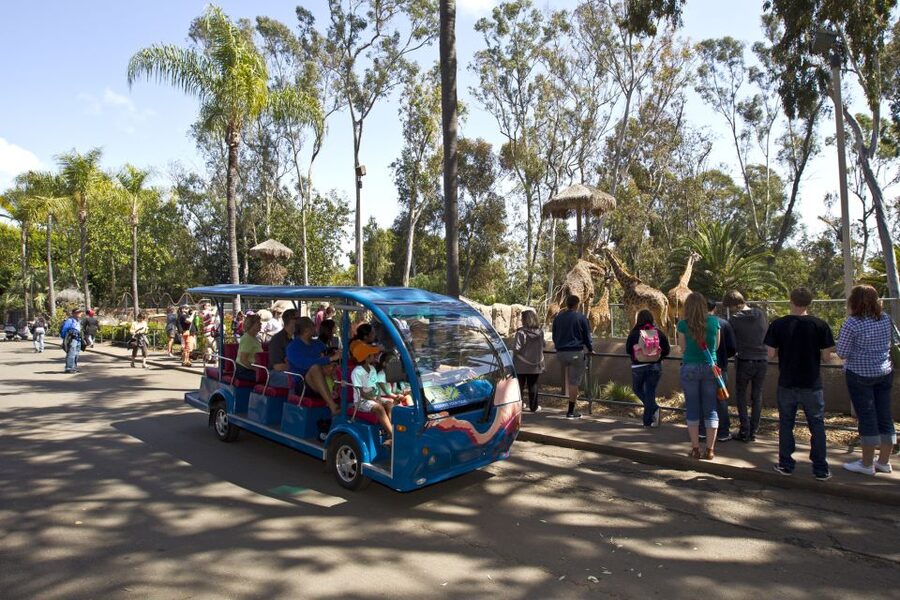
A lot of people underestimate how tiring a big zoo can be. The ticket helps by bundling in transportation options and guided elements that reduce guesswork.
Express bus and Skyfari Aerial Tram (subject to availability)
At the Zoo, you get access to an Express bus and the Skyfari Aerial Tram option, with the key caveat that it’s subject to availability. This is exactly the kind of included add-on that can be worth real money in a normal scenario, because it can cut down on backtracking and time spent in long walking stretches.
Practical tip: if Skyfari is available when you arrive, don’t treat it like an afterthought. Slot it early or mid-day so you’re not stuck deciding later when you’re already tired.
Guided bus tour plus all shows and presentations
The ticket also includes a guided bus tour at the Zoo, plus access to all shows and presentations. This is a smart combo because you get:
- a faster way to cover distance via the bus tour, and
- moments of storytelling during shows that help you understand what you’re seeing.
If you’re the type who enjoys learning in short bursts (not a full lecture marathon), this format fits well.
Children’s Zoo
The Zoo side includes the Children’s Zoo. Even if your group isn’t “kid-only,” it can be a good mid-day reset—some places in a big zoo feel like they have a built-in energy for younger visitors, and those breaks can help adults pace the day too.
Day 2 at the Safari Park: 1,800 acres and wide-open habitats
The Safari Park is a different experience in feel, not just in geography. It’s a 1,800-acre park with more than 3,000 animals across 375 species. The main idea is open spaces and wide field enclosures that mimic natural habitat as closely as possible.
When you arrive on Day 2, expect the biggest time challenge to be distance. At the Safari Park, “quick trips” can still eat up time because it’s spread out. That’s why included transit and focused habitat zones matter.
Safari Park highlights: Sumatra, Tiger Trail, Lion Camp, and Africa Tram Safari
This is where your day starts turning into a true safari-style route instead of a classic zoo walk.
Africa Tram Safari
The ticket includes the Africa Tram Safari. You’ll still want to check how it fits into your schedule on arrival, since tram timing can affect when you see certain exhibits. Also remember the logistics note: the ticket allows you to skip the admission line, but this skip does not apply to the Africa tram.
If you care about seeing the most animals without spending your whole day in transit, the tram is a centerpiece.
Sumatra zone
The park highlights areas like Sumatra, with animals including tigers, orangutans, rhinos, and elephants. This is ideal if you like the idea of building your day around geography and habitat types rather than random stops.
Tiger Trail
There’s also a Tiger Trail described as a journey to discover tigers and learn about their current struggles. Even if you’re not a “talks and interpretation” person, this kind of structured habitat route helps you connect the dots between behavior, environment, and conservation.
Lion Camp
In Lion Camp, the description notes you come nose to nose with an African lion pride. That kind of close viewing is exactly why the Safari Park feels different from a lot of smaller wildlife venues. It’s one of those experiences that can stand as a memory even if you forget the exact map route later.
Cheetah Run
The ticket also includes a Cheetah Run experience at the Safari Park. Like many scheduled animal presentations, it’s worth planning around and checking on day-of operations. If you build your day around it, you’ll likely feel like you got your money’s worth in a straightforward way.
Elephant Valley in 2026: the biggest habitat project you’ll hear about
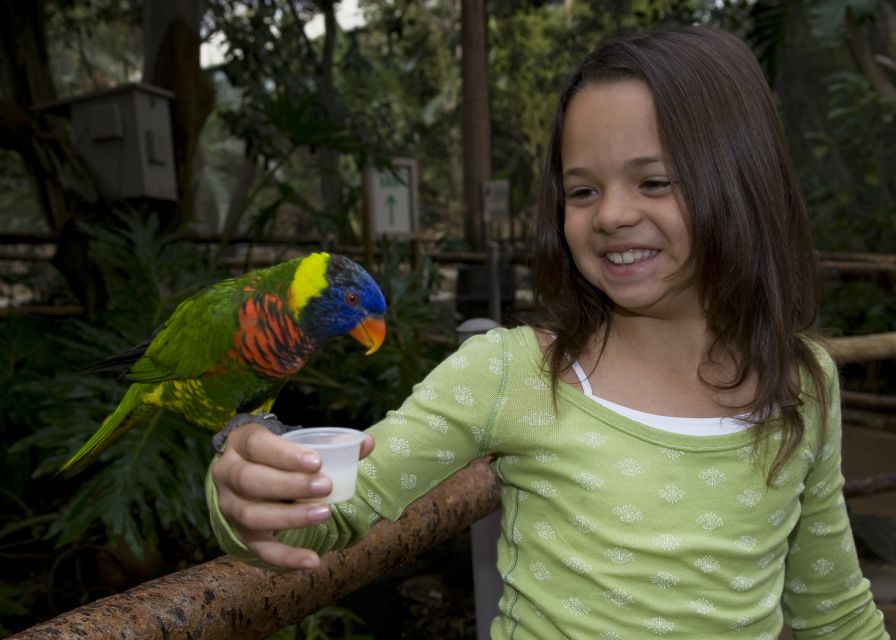
A big new feature is coming for 2026: Elephant Valley, described as the park’s largest project in history. The idea is immersive in the habitat sense—watching elephants roam and play around watering holes, with pathways lined by rare African plants.
What’s especially useful for your planning is the structure:
- you’ll get a habitat-centered view (sights, sounds, and scents of the savanna),
- you’ll have educator-led conservation learning at Mkutano Park, and
- there’s a two-story restaurant space called Mkutano House, inspired by African safari lodges.
If elephants are a priority for you, this is the kind of stop that can shape your whole visit. It also makes the Safari Park feel less like a collection of enclosures and more like a conservation-themed experience.
Price and logistics: is $130 for two days worth it?
At $130 per person for two days, the value depends on how you like to travel.
If you’re doing only one park, you’ll likely feel the cost more. But this ticket is designed for two separate experiences—Zoo viewing and Safari Park viewing—both with included add-ons like guided bus tour, tram access, children’s activities, and included shows.
A few value signals to consider:
- Included transport helps you cover distance. Big parks punish slow pacing. The included transit options reduce that penalty.
- Shows and presentations are part of the package. When those are included, you’re not paying extra for your “education and entertainment blocks.”
- You’re not just buying entry. You’re buying a structure that supports a full two-day plan.
One caution on price perception: if you compare this ticket to buying at the gate, the “package deal” feeling can vary. So I treat value like this: if you’ll use the included transport and scheduled experiences, it’s usually worth it. If you plan to skip most of that and just roam, the ticket may feel less like a discount.
Where to start each morning and how to avoid wasting time
With two parks and a lot of walking, your biggest enemy is aimless wandering. A simple plan works best.
Here’s the method I’d use:
- Pick your top 2–3 animal priorities for each park.
- Add one “scheduled anchor” per day (like Cheetah Run at the Safari Park, and a Zoo show/presentation block).
- Use included transport mid-day rather than at the very end when you’re already slowed down.
Also, don’t underestimate the benefit of pacing. The Zoo and Safari Park each have enough animals and areas that you’ll have a better day if you stop thinking about finishing everything.
Meeting points
You can meet at the Zoo address (2920 Zoo Dr, San Diego) and/or the Safari Park address (15500 San Pasqual Valley Rd, Escondido, CA 92027). Using the right meeting point keeps the start easy and reduces stress.
What’s not included (plan for it)
Food and drinks aren’t included, and parking isn’t included. If you’ll be there all day, bring your own snacks or plan meals so you don’t lose time hunting down food.
Who this ticket is best for (and who should rethink)
This ticket fits best if you:
- want two different wildlife styles in one package (Zoo + Safari Park),
- like structured experiences like tram rides, guided bus tours, and shows,
- are traveling with kids who will enjoy children’s-focused areas, and
- plan to spend real time at each park instead of rushing through.
It might not fit as well if you:
- can only do a few hours total and want the shortest visit possible, or
- dislike scheduled animal presentations and would rather only walk freely (since a chunk of the included value sits in those experiences and transport options).
Also, if you’re sensitive to operations changing, keep flexibility in your head. Even when something is listed as included, animal venues can adjust what’s running.
Should you book this 2-day entry ticket?
I’d book it if you want a low-stress, “two full days of wildlife” plan that includes more than basic admission. The included transit (Zoo tram/Express bus and Safari Park tram) plus all shows and presentations makes it easier to build a full itinerary without buying a stack of add-ons.
Skip booking only if you’re certain you won’t use the included experiences and you’d rather self-plan everything. In that case, you might prefer a simpler admission option.
If you’re aiming for a classic San Diego wildlife weekend—walkable open-air Zoo energy plus the Safari Park’s huge habitats—this ticket is a strong, practical choice.
FAQ
Does the ticket cover both the San Diego Zoo and the Safari Park?
Yes. The ticket includes entrance to the San Diego Zoo and the San Diego Zoo Safari Park over any 2 days, or 2 visits to the same location.
How long is the ticket valid after purchase?
It’s valid for 365 hours, and both visits must be used within 1 year of the date of purchase.
Can I skip the ticket line when I arrive?
You can skip the admission ticket line. This does not apply to the Africa tram.
What experiences are included at the Safari Park?
The ticket includes Africa Tram Safari, Cheetah Run, and the Children’s Zoo, along with all shows and presentations.
Are food, drinks, and parking included?
No. Food and drinks and parking are not included.
Is there a free-entry option for seniors?
Yes. Seniors can enjoy free entry in February, with no ticket needed, and this offer is available until March 1st, 2026.