REVIEW · SAN DIEGO
San Diego Zoo and Safari Park 2-Visit Pass Ticket
Book on Viator →Operated by San Diego Zoo Wildlife Alliance · Bookable on Viator
Two parks, one pass, and lots of animals. I like that this ticket is built for easy entry into both parks, with mobile scan at the turnstiles. At the Zoo, the Elephant Odyssey mixes fossil-dig storytelling with live animals, so it’s more than just “look and walk.”
My second big plus is the Safari Park’s Africa feel: you ride the Africa Tram through open land where you can spot big animals and endangered species in one loop. One thing to think through: you can absolutely do both parks in a day, but it’s a lot of walking and planning for the 35-mile drive.
In This Review
- Key points that matter before you go
- San Diego Zoo + Safari Park: what this 2-Visit pass really covers
- Zoo day in Balboa Park: Elephant Odyssey, Skyfari views, and a lot of walking lanes
- Elephant Odyssey: prehistoric fossils plus present-day animals
- Getting your bearings: Skyfari aerial tram and the Zoo’s guided bus
- What you’ll actually experience in about 4 hours
- Safari Park day in Escondido: Africa Tram, Heart of Africa trails, and a bigger sense of space
- Your first payoff: the Africa Tram ride
- Heart of Africa: 32 acres of walking trails and real habitat viewing
- Specific animals you’re likely to spot in the included areas
- Nairobi Village: where you can shop and refuel
- A note from real-world experience: some days feel smoother than others
- How to plan the day: 4 hours, 8 hours, or two separate visits
- If you do both parks in one day
- My recommendation: split the parks into separate days
- When to go
- Included rides and shows: why they add real value (not just “extras”)
- Food, breaks, and what to bring (so you don’t waste time)
- Using the mobile ticket smoothly at the gates
- Who should buy this pass—and who might rethink it
- Should you book this San Diego Zoo + Safari Park 2-Visit Pass?
- FAQ
- How do I redeem my San Diego Zoo and Safari Park combo ticket?
- Do I need to use the ticket on a specific date?
- Can I visit both parks in the same day?
- What’s included at the San Diego Zoo with this pass?
- What’s included at the San Diego Zoo Safari Park with this pass?
- Where are the parks located?
- Is parking free at the Zoo?
- What about parking at the Safari Park?
- Are food and drink included?
Key points that matter before you go
- Direct mobile entry: no ticket exchange needed at Will Call
- Unlimited Zoo transit basics: Skyfari aerial tram and the Guided Bus Tour are included at the Zoo
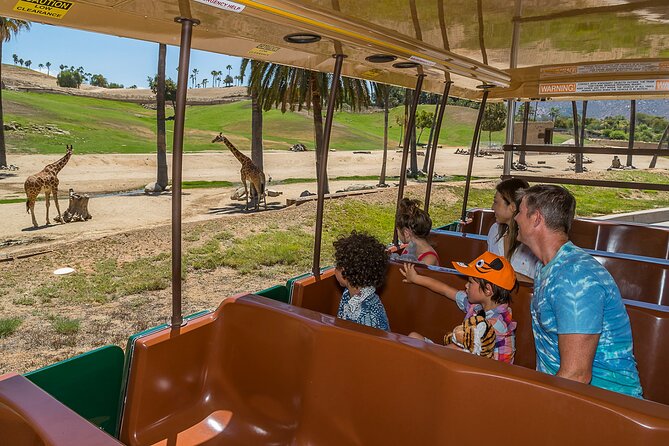
- Africa Tram is included at the Safari Park (about a 30-minute ride)
- Elephant Odyssey at the Zoo adds hands-on fossil dig theming tied to conservation themes
- Two-park timing reality: you’ll want more than a “quick glance” mindset to enjoy both
San Diego Zoo + Safari Park: what this 2-Visit pass really covers
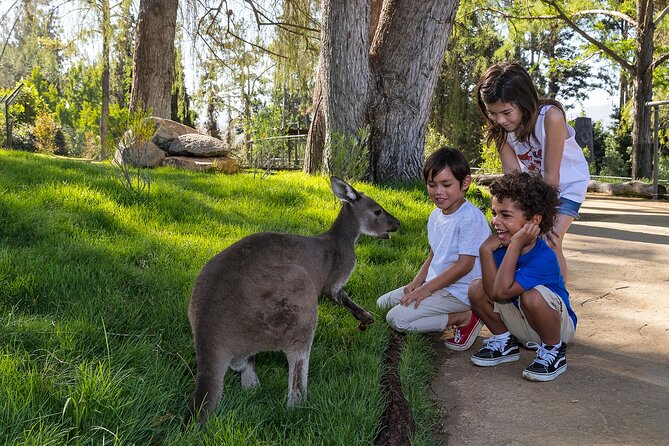
This is a value-minded way to see two of San Diego’s biggest animal destinations without buying separate admission tickets for each place. The pass is designed around flexible use: you can do one visit at each park, or do two visits to just the Zoo or just the Safari Park. Either way, you’re getting admission plus access to all exhibits and shows, along with specific included tram/bus experiences.
The price (about $130 per person) makes the most sense when you actually use the included transit rides instead of treating them like optional extras. It also helps that the ticket is mobile and marketed as direct entry, so you’re not spending your day solving ticket puzzles at a counter.
One practical note: the parks are separated by about 35 miles. That changes your planning more than most people expect. If you try to rush both parks into a single day, you might still see plenty of animals, but you’ll likely feel like you’re speed-walking through your own vacation.
Zoo day in Balboa Park: Elephant Odyssey, Skyfari views, and a lot of walking lanes
The San Diego Zoo runs in a lush, natural setting around Balboa Park. Expect about 100 acres of habitat-style exhibits, with more than 3,700 rare and endangered animals representing roughly 660 species and subspecies. If you like animals with context—where they live, why they’re protected, how they’re cared for—this Zoo is built for that.
Elephant Odyssey: prehistoric fossils plus present-day animals
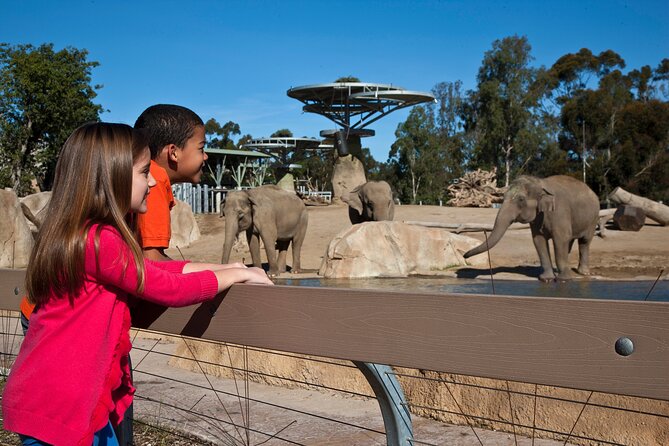
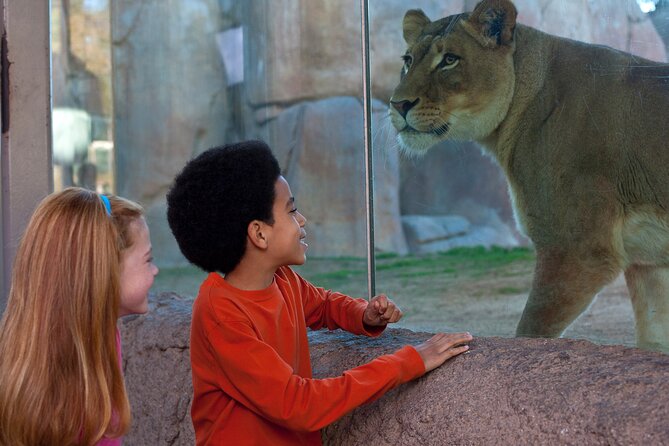
The standout centerpiece in this pass is the Harry and Grace Steele Elephant Odyssey. It’s themed like a fossil dig site, so you’re not only looking at animals—you’re learning the story behind extinction and survival. You’ll step into the fossil dig area, then move through habitats that include elephants plus a pair of lions and a jaguar.
What I like about this exhibit concept is the pacing. It gives you variety fast: fossil visuals, then real animals, then conservation messaging tied to extinction causes (like mammoths and saber-toothed tigers). Even if you’re visiting with kids, it tends to keep attention because it doesn’t rely on one type of viewing.
Getting your bearings: Skyfari aerial tram and the Zoo’s guided bus
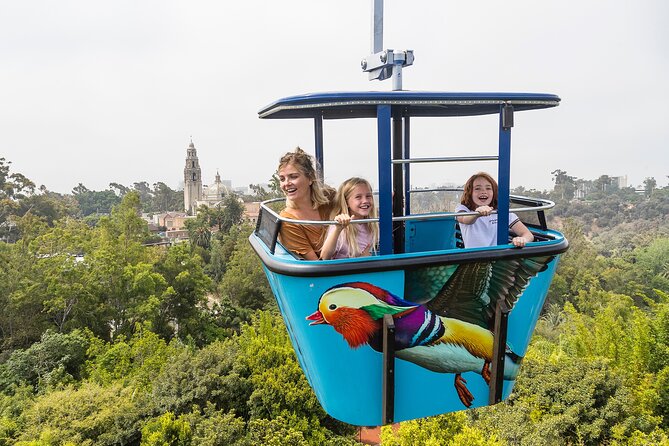
This pass includes unlimited use of the Skyfari Aerial Tram and the Zoo’s Guided Bus Tour. That matters because the Zoo is spread out. Skyfari is a “treetop shortcut,” so you get views across the Zoo and cut down on ground trekking. The tram doesn’t accommodate wheelchairs or strollers, so if you rely on one of those, plan to use other routes.
The guided bus tour is a helpful way to get orientation without spending your whole morning map-reading. You can treat it like a warm-up, then spend the rest of your time choosing where you want to slow down.
What you’ll actually experience in about 4 hours
With an efficient route, you can do the Elephant Odyssey and several other popular habitats in roughly four hours. You’ll walk trails, hit viewpoints, and use the included rides to reposition faster. If you want to see almost everything, you might stretch closer to a full day at the Zoo, especially if it’s busy.
A tip that consistently pays off: start earlier. Many Zoo animals are more visible when the day is still fresh, and early hours also help you avoid the loud, crowded feeling that can show up later.
Safari Park day in Escondido: Africa Tram, Heart of Africa trails, and a bigger sense of space
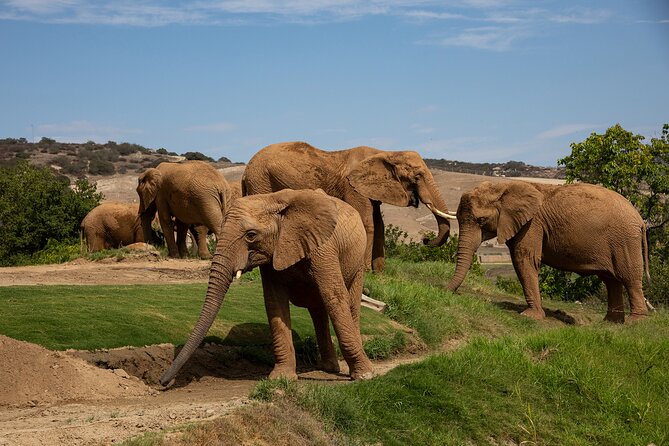
The San Diego Zoo Safari Park is the “go bigger” option. It covers about 1,800 acres and is home to more than 3,000 animals representing over 300 species. The habitats are often open-field style, which changes what “close-up” feels like. You’re more likely to watch animals in their environment rather than from behind dense barriers.
Your first payoff: the Africa Tram ride
One of the best included parts of the pass is the Africa Tram, with unlimited rides at the Safari Park. The tram is about a 30-minute tour past herds of elephants, zebras, and endangered species. It’s also where the Safari Park does its best “Africa in California” impression—wide views, open terrain, and animal sightings that feel like you’re cruising through habitat.
If you’re choosing only one included feature to bank time around, I’d prioritize the tram early. You’ll get a feel for the landscape and it helps you decide where to walk next.
Heart of Africa: 32 acres of walking trails and real habitat viewing
After the tram, you’ll hit Heart of Africa, a 32-acre safari trail area with dense forests and grassy savannas. This is where the walking trails matter. You’ll look for overlooks of animals like lions and tigers, plus smaller “special encounter” moments along the path.
Compared to the Zoo, this part feels more like a long outdoor walk with payoff viewpoints. That’s great if you want nature-and-animals energy. It can be less great if your group wants a tight sequence of “arrive, see, move on.” Also, the Safari Park is easy to underestimate until you’re walking.
Specific animals you’re likely to spot in the included areas
This pass description highlights a few big draws in the Safari Park areas: a family group vibe with giraffes, rhinos gathering at watering holes, South African cheetahs lounging in sunny spots, and the majestic California condor. Exact sightings depend on the day and animal behavior, but these are the kinds of habitats the park is built around.
Nairobi Village: where you can shop and refuel
Nairobi Village is the place to slow down. It offers shopping and dining options, so you’re not stuck only with snacks and quick stops. It’s also a good “meet back here” point for groups who split up and want to regroup.
A note from real-world experience: some days feel smoother than others
The Safari Park can be amazing when you’re oriented and can follow the trail flow. It can feel frustrating if you’re constantly trying to figure out your next stop. If you’re with kids, I’d plan extra time for navigation and choose fewer targets, not more.
How to plan the day: 4 hours, 8 hours, or two separate visits
The pass is built around flexibility, but your best experience depends on how you schedule it.
If you do both parks in one day
It’s possible, but it’s not the easiest way to enjoy either park fully. You’re looking at a drive of roughly 45 minutes to one hour depending on traffic. Add in the time to scan in, reposition, and walk, and you’ll be spending a lot of your energy on logistics.
Also, each park is its own world. If you do Zoo first, then Safari, you’ll likely feel like you’re doing “highlights mode” instead of “wander mode.” Many people can still manage it, but it’s best for travelers who are comfortable walking for long stretches.
My recommendation: split the parks into separate days
If you want your visit to feel like a vacation and not a route assignment, do it this way:
- 3–4 hours at the Zoo
- 4–6 hours at the Safari Park
This also gives you time to repeat your favorite viewing areas or take breaks without guilt.
When to go
The pass includes hours listed as 9:00 AM to 5:00 PM for Monday–Thursday (for the date range shown). The parks are open every day of the year, rain or shine, so you can pick based on weather and crowds—but always verify hours for your specific date since schedules can vary.
Included rides and shows: why they add real value (not just “extras”)
This pass is not just admission. The included transit experiences are the part that can turn your day from “I walked a lot” into “I saw more than I expected.”
At the Zoo, you get:
- All animal exhibits and shows
- Unlimited use of the Skyfari Aerial Tram
- Unlimited use of the Guided Bus Tour
At the Safari Park, you get:
- All animal exhibits and shows
- Unlimited Africa Tram rides
The value here is simple: those rides help you cover ground and reposition without burning your entire energy on uphill or long-distance walking. They also change your perspective. Skyfari gives you a view from above. The Africa Tram gives you a rolling habitat tour that’s hard to replicate with casual walking.
One caution: the pass includes all exhibits and shows, but special ticketed exhibits, experiences, and events don’t apply. If you’re hoping to stack paid “bonus” activities, keep your budget ready and check on-site options before you commit.
Food, breaks, and what to bring (so you don’t waste time)

Food and drink aren’t included with the pass. That means you should plan for dining or bring your own snack strategy.
You can bring your own food in small containers. No coolers, no glass containers, and no alcohol are allowed. There also isn’t food storage available, so keep it light if you’re using a bag.
At the Zoo, there are quick bites and casual dining, plus Albert’s Restaurant if you want a full-service sit-down pause. At the Safari Park, The Watering Hole at Kijamii Overlook is the full-service option. Nairobi Village also has shopping and dining, which is helpful if you decide to linger longer.
Budget note: food options are available, but prices can add up quickly when you’re at a park all day. If you’re traveling with kids, I’d pack water and at least one “everyone will like it” snack so you’re not hunting for a burger the moment people start melting.
Using the mobile ticket smoothly at the gates
The ticket is designed as direct entry with no Will Call exchange. That’s the good news. The practical advice is to be ready with your ticket display and confirmation.
Here’s how to avoid stress:
- Scan before you’re at the gates if your phone allows it
- Keep your confirmation email handy in case your phone battery acts up
- Make sure your mobile ticket screen is readable for attendants
On rare occasions, people report scanner trouble (like issues recognizing parts of a ticket identifier). That’s not the kind of thing you want to experience after a long drive. Arrive early enough that you have time to handle a hiccup calmly.
Also, bring a little patience for entry flow. Zoo and Safari Park days can be busy, and even when entry is smooth, your first 30 minutes can feel like you’re waiting on the start of fun.
Who should buy this pass—and who might rethink it
This pass is a great fit if:
- You want to see major animal highlights without buying separate tickets
- Your family likes both walking trails and included rides
- You’re the type who appreciates conservation themes while you watch animals
- You value flexibility (tickets are redeemable within one year from purchase)
It may not be ideal if:
- You only want a quick stop and hate walking. Both parks involve trails and outdoor movement.
- You’re trying to do everything in one day with a tight schedule.
- You’re focused on only one type of attraction. The Zoo and Safari Park are different styles of “animal viewing,” so you’ll want to match your expectations.
A moderate physical fitness level is recommended. That doesn’t mean you need to be an athlete. It just means you should plan for hills, long trails, and outdoor time.
Should you book this San Diego Zoo + Safari Park 2-Visit Pass?
I’d book it if you’re planning to do at least one park as a true outing, not a quick roadside stop. The best reason is simple: the pass includes meaningful ride value (Skyfari and the tram) plus admission to exhibits and shows at both parks.
If you can split your days, you’ll get the most from it. Do the Zoo on one day for the fossil-themed Elephant Odyssey and guided orientation. Do the Safari Park on another day for Heart of Africa walking and the Africa Tram loop. That’s the schedule that keeps the day fun instead of frantic.
One final nudge: check the on-site “special ticketed” options before you fall in love with a paid add-on. Admission plus the main included rides can cover a lot, and it’s easy to overspend when the fun starts calling your name.
FAQ
How do I redeem my San Diego Zoo and Safari Park combo ticket?
Take your mobile ticket directly to the turnstiles for admission. There’s no need to exchange tickets at Will Call.
Do I need to use the ticket on a specific date?
The date shown on your ticket is for reference only. The ticket is redeemable for one year from the original purchase date.
Can I visit both parks in the same day?
Yes, it’s possible, but it’s not recommended. The parks are about 35 miles apart, and the guidance is a minimum of 3–4 hours for the Zoo and 4–6 hours for the Safari Park.
What’s included at the San Diego Zoo with this pass?
Zoo admission plus all animal exhibits and shows, children’s zoo admission, and unlimited use of Skyfari Aerial Tram, Kangaroo Bus, and the Guided Bus Tour.
What’s included at the San Diego Zoo Safari Park with this pass?
Safari Park admission plus all animal exhibits and shows, and unlimited rides on the Africa Tram.
Where are the parks located?
The San Diego Zoo is at 2929 Zoo Drive, Balboa Park, San Diego, CA 92101. The Safari Park is at 15500 San Pasqual Valley Rd, Escondido, CA 92027.
Is parking free at the Zoo?
The Zoo has free parking. Note that beginning Jan 5, 2026, Balboa Park charges a flat rate of $16 per vehicle, per day.
What about parking at the Safari Park?
Safari Park parking is not free and has an additional fee that can change. It’s paid by credit/debit card or cash.
Are food and drink included?
No. Food and drink are not included, but you can bring your own food in small containers (no coolers or glass containers).