REVIEW · SAN DIEGO
San Diego Zoo 1-Day Pass: Any Day Ticket
Book on Viator →Operated by San Diego Zoo Wildlife Alliance · Bookable on Viator
4,000 animals, one ridiculously scenic day. This San Diego Zoo pass is a simple, scan-and-go way to hit one of California’s best zoos, with giant panda viewing plus naturalistic exhibits packed into Balboa Park. You’ll also get included zoo transit that helps when you’re dealing with hills and time limits.
I love two things most: the Skyfari Aerial Tram and Guided Bus Tour are built in, so you can get big coverage without spending your whole day climbing. I also like how the zoo mixes animals with real habitat design and gardens, so it feels more like a wildlife park and botanic walk than a lineup of cages.
One possible drawback: you should expect steep walking and big crowds, and that can make scooter days tougher than you’d hope.
In This Review
- Quick Take: Key Stuff That Makes This Pass Work
- Getting Oriented Fast: Where You Start and What the Zoo Is Really Like
- Tickets and Timing: What 1-Day Really Means
- Panda-First Planning: How to Build a Low-Stress Route
- Zoo Transit That Saves Your Legs: Skyfari Tram + Guided Bus Tour
- Skyfari Aerial Tram
- Guided Bus Tour
- Animal Highlights: From Africa Rocks to Tiger River and Gorilla Tropics
- Africa Rocks
- Koalas and Giant Pandas
- Orangutans and Siamangs
- Tiger River
- Gorilla Tropics
- Keeper Talks, Gardens, and the Kids’ Areas That Actually Work
- Food, Costs, and Comfort: Plan Like It’s a Hike
- Accessibility and Mobility: What to Expect on a Hilly Zoo Day
- Weather, Closures, and the Day-Plan You Can Actually Use
- Price and Value: Is $78 Worth It for One Day?
- Who This San Diego Zoo Pass Is Best For
- Should You Book This San Diego Zoo 1-Day Pass?
- FAQ
- How long is a San Diego Zoo 1-day pass good for?
- Is this a mobile ticket and do I need to exchange it?
- What’s included with admission?
- Where exactly is the San Diego Zoo located?
- Are the zoo hours the same every day?
- How do I redeem my ticket at the zoo?
- Is parking free at the zoo?
- Can I bring my own food into the zoo?
- Are pets allowed in the zoo?
- Is the zoo accessible for wheelchairs and scooters?
Quick Take: Key Stuff That Makes This Pass Work
- Direct, scan-to-enter entry: no Will Call stop, just phone to turnstiles.
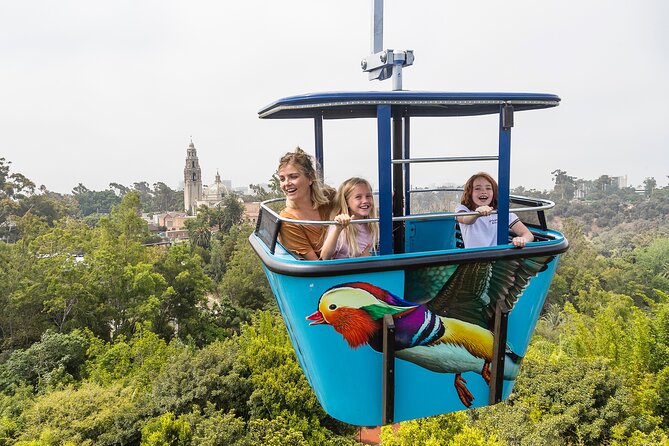
- Unlimited Skyfari Aerial Tram: a fast way to see distance, treetops, and the zoo’s layout.
- Unlimited Guided Bus Tour: a great “orientation tool” when you don’t know the zoo yet.
- Giant pandas draw the biggest lines: go early and plan a panda route first.
- Lots of animals aren’t on display in extreme heat: shade and shelters matter more than you think.
- Plant-forward zoo design: gardens are part of the experience, not decoration.
Getting Oriented Fast: Where You Start and What the Zoo Is Really Like

You’ll enter the San Diego Zoo through Zoo Drive (Zoo Dr, San Diego, CA 92101). Once you’re in, head to the visitor center area to grab a map and start plotting your day. This zoo is large—about 100 acres—and it’s built with winding paths through forests and mesas, so your best strategy is to think “routing,” not “wandering.”
What makes the zoo special is the way it’s designed to look and feel like real habitat. Animals live in spacious enclosures meant to replicate their natural homes, and the zoo leans hard into a botanical garden feel. That matters because the scenery isn’t just pretty. It helps you understand why certain animals behave the way they do, and it makes “walking between exhibits” feel less like travel time.
Also, the pass is a mobile ticket. You scan for entry, and it’s described as direct entry with no ticket exchange at Will Call. If you’ve ever had a phone battery moment on vacation, this is a good reminder to charge your device before you arrive and keep your screen ready.
Tickets and Timing: What 1-Day Really Means
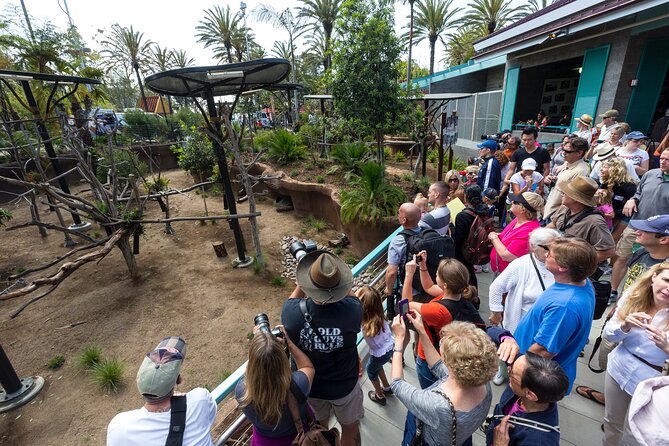
This is sold as a 1-day pass valid for the day you choose, with opening hours listed from 9:00 AM to 7:00 PM daily. The advertised time is about 1 to 4 hours, but that’s more like a minimum window. In practice, you’ll likely want longer if you want to see highlights like the pandas, both “big” rainforests, and at least a couple keeper talks.
Plan around the panda reality. The zoo is clear that giant panda viewing can involve timed opportunities and standby lines, and multiple tips point to going as soon as the zoo opens. If pandas are your priority, treat your morning like a mission: get in early, move quickly toward the panda area, and don’t let yourself get side-tracked before you’ve handled that must-see.
If your day starts later, you can still have an excellent visit, but expect longer lines for popular exhibits. On a busy day, you’ll also feel crowds moving between hills and transit stops. That’s not a reason to skip it. It’s just a reason to start smart.
Panda-First Planning: How to Build a Low-Stress Route
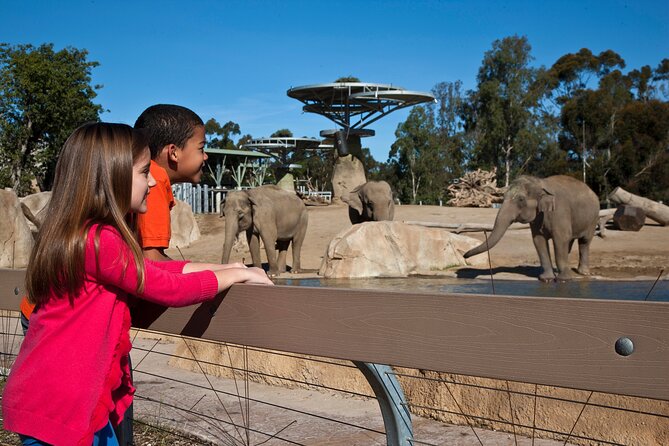
Here’s the simplest day plan that fits how this zoo runs:
Start at the front door area, then go straight into your first big target—usually the giant pandas. If you want to avoid 1–2 hour waits, the best advice is timing: arrive early, and go fast to the panda viewing route. This is especially helpful because the zoo can be spread out, and it’s easy to lose time in lines for transport or popular exhibits.
After you’ve handled pandas, shift to “coverage mode.” That’s where the included transit really helps. Using the Guided Bus Tour early helps you understand what’s where, so the rest of the day becomes less guessing and more choosing. Think of it like a map in motion.
One more practical note: on hot days, animals may retreat into shade or shelter, and pandas may rest longer than you want. That doesn’t mean the zoo is disappointing—it means you should use your route flexibility. If one area feels sleepy, move on and come back later. You’ll still get plenty of active viewing opportunities.
Zoo Transit That Saves Your Legs: Skyfari Tram + Guided Bus Tour

The pass includes unlimited use of the Skyfari Aerial Tram and the Guided Bus Tour. This is a big part of the value, because the zoo is hilly and large, and your day can disappear quickly if you’re walking every section back-to-back.
Skyfari Aerial Tram
The Skyfari Tram is an aerial shortcut over treetops, giving you views across the zoo and Balboa Park surroundings. It’s especially useful when you’re still learning the layout. You can see how enclosures relate to each other, which makes your later ground route easier.
There’s one important limitation: wheelchairs and strollers can’t be accommodated on the aerial tram. If you’re traveling with either, you’ll want to plan for ground routes and other transit options instead.
Guided Bus Tour
The bus tour is a smart early move. It takes you around with an informative guide, letting you preview exhibits and understand where to focus next. People also point out that taking the bus and tram early helps reduce uphill walking later.
If you’re the type who likes to get oriented first and then roam at your own pace, this combo is made for you.
Animal Highlights: From Africa Rocks to Tiger River and Gorilla Tropics
This zoo is known for naturalistic habitats, and several “signature” areas are standout priorities:
Africa Rocks
Africa Rocks is a key section for unique animals and busy viewing. It’s a great place to see a mix of species like penguins, baboons, lemurs, and weaver birds. It also tends to feel more “alive” because birds and small mammals are often visible along pathways and overlooks.
Koalas and Giant Pandas
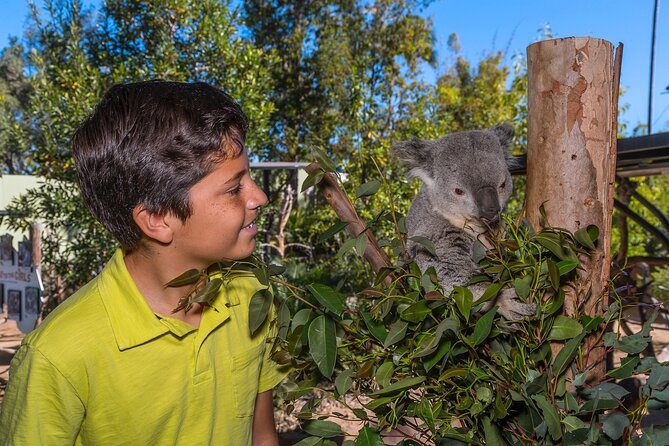
Koalas and giant pandas are major crowd magnets for a reason: they’re both iconic and often easier to spot than you’d expect. With pandas, you’re trading spontaneity for timing. With koalas, you’re trading patience for consistency—when you’re there at the right moment, you’ll likely get better viewing.
Orangutans and Siamangs
Orangutans and siamangs are part of the zoo’s lush, forested feel. You might see climbing and movement that’s much more naturalistic than typical “static exhibit” setups. Plan these after your first sprint to pandas so you’re not rushing your whole day.
Tiger River
Tiger River is designed around a realistic Asian rainforest environment. This is one of those exhibits where the habitat design matters as much as the animals. You’re watching in a space meant for hiding, movement, and natural behavior.
Gorilla Tropics
Gorilla Tropics recreates a lush African rainforest. If you like big “showcase” exhibits, this is one of the best. It also gives you a change of pace from more open areas, which can be helpful when the sun is strong.
Also watch for themed gardens and plantings. Some plants in the zoo supply ingredients for specialized diets for certain residents. That’s a subtle detail, but it’s a good reminder this place is doing real animal care, not just display.
Keeper Talks, Gardens, and the Kids’ Areas That Actually Work
The zoo schedules keeper talks at regular intervals. These are where the zoo becomes more than a photo day. You’ll hear experts introduce animals such as giraffes, elephants, wolves, lions, jaguars, and more. The talks are a great way to understand why animals are where they are, and why their routines look the way they do.
If you want a hands-on break from the “stare at the enclosure” rhythm, the zoo also has kid-friendly zones. There’s a Petting Paddock with small tame critters, plus four different play areas built for safe climbing and exploring. Even if you don’t have kids, these zones can be useful as a reset point during a long day.
Don’t ignore the gardens. They’re part of the experience at the San Diego Zoo—some of the plant design connects to the diets of the animals. So when you’re pausing in shade, you’re not just waiting. You’re learning by looking.
Food, Costs, and Comfort: Plan Like It’s a Hike
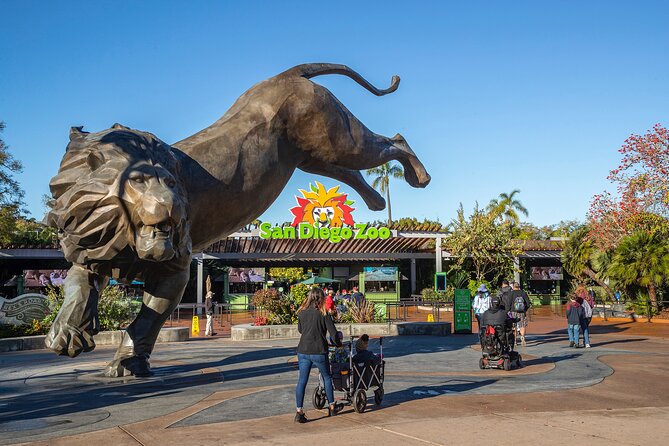
This isn’t a lightweight, stroll-only day. The zoo involves a lot of walking, and the terrain is very hilly. Comfortable walking shoes are a must. If you wear anything stiff or unsupportive, you’ll feel it.
Food and drink aren’t included. The zoo has casual dining options and a full-service restaurant (Albert’s Restaurant), but you should expect pricing to be higher than outside the park. If you’d rather keep your budget under control, the rules allow you to bring your own food in small containers. No coolers, glass containers, alcohol, or party trays are allowed, and there’s no food storage facility.
For comfort, bring a refillable water bottle. You can also plan your stops around shade—on very hot days, animals may spend more time under shelter or in cooler off-exhibit areas. That means your route should be flexible. If one section feels quiet, walk on, then come back later when the animals decide to be seen.
Accessibility and Mobility: What to Expect on a Hilly Zoo Day
The zoo is described as handicap accessible, with special parking, restrooms, and access to shows, tour buses, and exhibits. There are also steep grades in parts of the zoo, and a complimentary ADA shuttle service operates inside the zoo.
Wheelchair and electric scooter rentals are available for a nominal fee. You’ll need a valid driver’s license or San Diego Zoo Global membership card to rent them.
If you’re using a mobility scooter, plan extra time. Crowds plus narrow paths and frequent stops can make it feel harder to move smoothly than you’d expect. The upside is you still have tools—shuttle service, rentals, and transit options—to structure your day around what works for your body.
Weather, Closures, and the Day-Plan You Can Actually Use
The zoo is open every day, rain or shine, including holidays. That’s great news. But you should still think like a zoo is a living place, not a theme park set.
One day might show more activity outdoors; another day might send animals into shelters. That’s normal. It can also affect what you see at popular exhibits. For example, a review included disappointment when the Polar region was closed on a visit, but the broader zoo still had plenty to see.
So here’s a practical rule: don’t build your entire day around a single exhibit being open and active. Instead, pick a few priorities—like pandas, one rainforest habitat, and one big animal area—then use transit and keeper talks to fill the gaps.
If you’re traveling during busy periods, give yourself cushion time for lines. When you’re waiting, you want to be waiting near something useful: a bus stop, a tram area, a shaded rest point, or a scheduled talk.
Price and Value: Is $78 Worth It for One Day?
At $78 per person, this ticket isn’t “cheap,” but it also isn’t just admission to an animal yard. You’re paying for direct entry plus included transit—unlimited Skyfari Aerial Tram and Guided Bus Tour—and access to exhibits and shows.
That transit is where value can show up quickly. In a hilly zoo, skipping some walking can make the difference between a satisfying day and an exhausted one. The zoo also has a botanical garden element, keeper talks, and multiple major exhibit areas that most people want to hit in one visit.
Still, price sensitivity matters. If you only plan to walk a small loop and skip transit, the ticket may feel expensive. If you plan to use the tram and bus early, aim for keeper talks, and see the big signature exhibits, it becomes a fair deal.
Who This San Diego Zoo Pass Is Best For
This pass is a great fit if you want a first-class zoo that feels like a natural habitat and botanic garden mix. It’s especially good for:
- Families who want predictable highlights plus kid-friendly play and animal encounters
- Couples who like combining iconic animals with pretty scenery
- Anyone who wants included zoo transit to reduce walking time
It’s less ideal if you’re looking for a quick, low-effort half-hour stop. The zoo is big. Even with transit, you’ll cover a lot of ground.
Should You Book This San Diego Zoo 1-Day Pass?
I think you should book this pass if giant pandas are high on your list and you’re willing to start early. The included Skyfari Tram and Guided Bus Tour make the day much easier to manage, and the zoo’s habitat-and-gardens design is part of why it feels worth it.
If you’re going on a very hot day or you’re navigating mobility with limited tolerance for crowds, still book—but plan your route with extra cushion time and lean on the zoo’s transit and ADA shuttle options. The zoo stays open rain or shine, and even when animals choose shade, you’ll still find plenty of interesting viewing.
If you want, tell me your travel month and whether pandas are your #1 priority, and I’ll suggest a tight “morning-to-afternoon” route style plan.
FAQ
How long is a San Diego Zoo 1-day pass good for?
The duration is listed as about 1 to 4 hours (approx.), but you can spend more time if you want to see additional exhibits and talks.
Is this a mobile ticket and do I need to exchange it?
Yes. It’s a mobile ticket and it’s described as direct entry, with no exchange needed at Will Call.
What’s included with admission?
Admission includes access to all exhibits and shows, children’s zoo admission, and unlimited use of the Skyfari Aerial Tram and Guided Bus Tour.
Where exactly is the San Diego Zoo located?
The zoo address listed is 2929 Zoo Drive, Balboa Park, San Diego, CA 92101.
Are the zoo hours the same every day?
Yes. The zoo hours are listed as 9:00 AM to 7:00 PM, Monday through Sunday.
How do I redeem my ticket at the zoo?
You take your direct entry ticket to the turnstiles for admission.
Is parking free at the zoo?
Free parking is described for the front lot, but there’s also a note that beginning January 5, 2026, Balboa Park charges a flat rate of $16 per vehicle per day.
Can I bring my own food into the zoo?
Yes, you can bring your own food in small containers. Coolers, glass containers, alcohol, party trays, birthday cakes, and decorations are not allowed, and there’s no food storage.
Are pets allowed in the zoo?
No. Pets, comfort animals, and emotional support animals aren’t permitted at the zoo or Safari Park.
Is the zoo accessible for wheelchairs and scooters?
The zoo provides accessibility features like an ADA shuttle service inside the zoo, and manual wheelchairs and electric scooters are available to rent for a nominal fee. There are also steep grades in parts of the zoo.