REVIEW · SAN DIEGO
San Diego Zoo Safari Park 1-Day Pass: Any Day Ticket
Book on Viator →Operated by San Diego Zoo Wildlife Alliance · Bookable on Viator
A great safari day starts with choosing your route. The San Diego Zoo Safari Park is an 1,800-acre reserve where you can hop between walking trails and themed wildlife zones like Africa and Walkabout Australia, then take an Africa Tram loop to see animals in open habitats. I especially like that the park feels built for close observation, not just sightseeing.
Two standouts for me: unlimited Africa Tram rides included with admission, and the staff energy—helpful people on-site, including guides like Delaney, who can point you toward what’s worth your time. One catch: this is a walking park, and animal visibility can vary, so going in with realistic expectations helps.
You’ll appreciate the smooth entry too. With a mobile ticket, you scan your phone at the turnstiles for direct admission—no ticket exchange, no Will Call run. For a day ticket at $78 per person, that convenience matters because it helps you lose less time right when you arrive.
The other practical upside: your visit can be as short as 2 hours or as long as 8, so you can match your day to your energy level and the pace you like.
If you want nonstop action from the tram only, plan differently. Some parts of the experience involve long stretches of walking and trail navigation, and a few visitors have flagged confusion with signage or missed sightings due to distance or construction changes. I’d think of the tram as your anchor, not your whole plan.
In This Review
- Key things to know before you go
- San Diego Safari Park: why it feels different than a typical zoo
- Price and time plan: what you’re really paying for
- Tickets on your phone: direct entry that saves your morning
- Route strategy: walking trails vs the safari tram loop
- Africa Tram rides: the included 30-minute show (with re-ride power)
- Nairobi Village and food breaks that don’t waste your day
- Getting around: heat, walking, and rentals that help
- Animal viewing reality check: how to think like a safari photographer
- Staff and signs: where the experience can flow, or get bumpy
- Who the day pass suits best (and who should think twice)
- Should you book the San Diego Zoo Safari Park any day pass?
- FAQ
- How do I redeem my San Diego Safari Park ticket?
- How long is the San Diego Zoo Safari Park 1-day pass?
- What are the Safari Park opening hours?
- Is there free parking at the Safari Park?
- Can I bring my own food and drinks?
- Do I need to visit on the exact date on my ticket?
Key things to know before you go
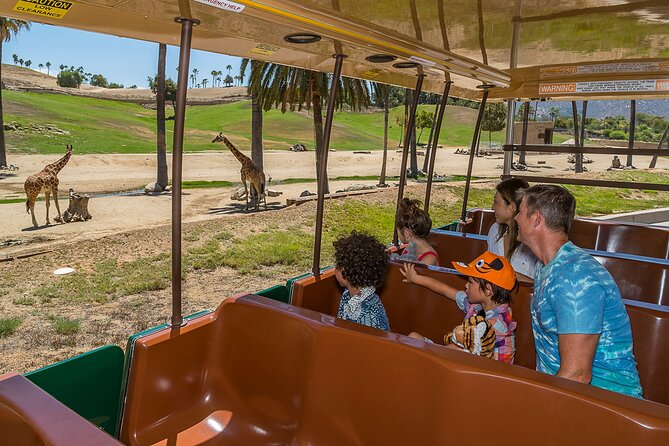
- Unlimited Africa Tram rides help you pace your day and re-ride when lines or heat slow you down
- Mobile ticket, direct entry means you scan and go straight through turnstiles
- Plan for lots of walking because the best looks often come from trail overlooks
- Animal viewing changes hour to hour (and animals may sleep or hide) so early starts help
- Some safari-style add-ons cost extra (like certain tram alternatives and zip line experiences)
- Bring smart snacks and water since food is available, but not everyone finds it easy to grab exactly what they want
San Diego Safari Park: why it feels different than a typical zoo
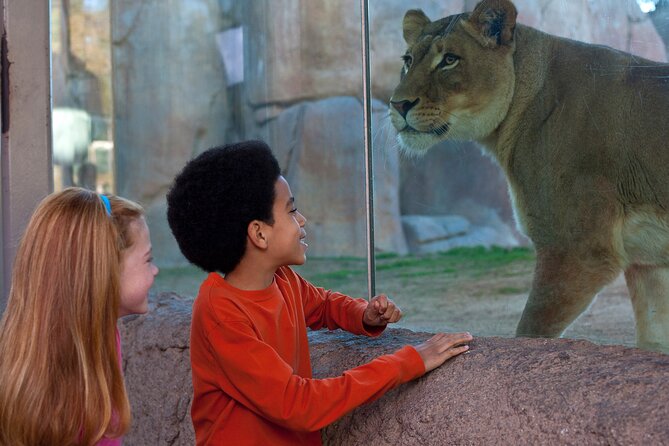
The San Diego Zoo Safari Park is set up like a living landscape, not a tight grid of pens. You’re touring an 1,800-acre reserve where many animals live in open-field habitat, and that changes the vibe fast. Instead of constant barriers and close-up staging, you get longer sight lines, grass and trees in between, and that “I’m in the habitat” feeling.
The park also leans hard into themed regions. You’re not just moving from exhibit to exhibit; you’re moving through areas that resemble different parts of the world—especially Africa, plus Walkabout Australia. That structure makes it easier to keep your day organized even when you’re wandering.
One more thing: the park is known for early activity. There may not be a magic best time that guarantees more animals, but many animals are early risers. If you want your best chance at motion and feeding, start sooner rather than later.
Price and time plan: what you’re really paying for
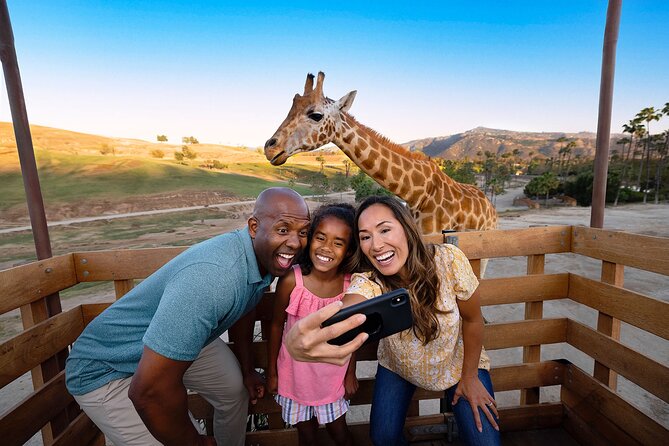
At $78 per person, the value comes from two places: admission plus unlimited Africa Tram rides. The tram isn’t just a single loop—it’s included with your ticket, so you can use it as a breather without giving up your main sightseeing.
Your time window matters. The day pass is listed for about 2 to 8 hours, which is unusually flexible for a zoo-style outing. If you’re doing this with kids, want photos, or just like a slower pace, aim for 4 to 6 hours. If you’re trying to cover a lot quickly, you can do more in less time, but it will be a lot of steps.
Also factor in what’s not included. Food and drink are separate, and there are parking fees (the amount can change). Some of the more exciting safari expedition options can have additional fees too, so you’re choosing between “included basics” and “upgrade adventures.” If you budget as if you’ll only use what’s included, you’ll have fewer surprises.
Tickets on your phone: direct entry that saves your morning
This ticket is designed to be easy. You get a mobile ticket and you scan it at the turnstiles for direct entry. That means no Will Call. It’s a small detail, but it’s the difference between starting your day relaxed versus spending time figuring out where to stand.
The ticket date is for reference only. You don’t have to use the exact date printed. Your pass is redeemable within a year of purchase, and amendment/date changes aren’t required for travel within that window. That’s great if your San Diego weather or schedule changes.
Tip: before you leave your hotel, make sure your phone battery is solid and your confirmation is easy to access. One common frustration at any venue is scrambling at the gate if the ticket isn’t where you expect it to be.
Route strategy: walking trails vs the safari tram loop
The park’s selling point is the mix of walking and safari-style viewpoints. The idea is simple: you choose trails that connect overlooks to animal habitats. Those overlooks are where you often get the “wow” moments—like watching lions, tigers, and other animals from a higher vantage.
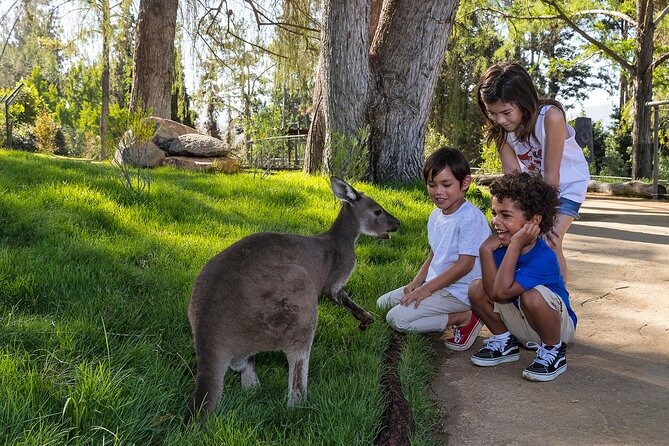
On the ground, you’ll work through areas like Africa’s savanna and forest-like sections, then move into other themed zones. You might catch giraffes near gazelles, rhinos gathering at a watering hole, cheetahs lounging out in the open, and even the California condor. In Walkabout Australia, kangaroos can be part of the experience.
Here’s the key decision: do you want a walking-heavy day or a tram-heavy day? Many people end up doing both, but it helps to pick an anchor. For example, you can treat the Africa Tram as your “backbone,” then use walking trails to connect between tram stops and viewpoints. That way, you’re not guessing from scratch every hour.
A few visitors have mentioned confusion between what’s on the tram experience versus what’s on walking trails. You can prevent that with one rule: every time you start a new area, ask staff what you’ll see there that you won’t see from the tram. Then you walk with purpose.
Africa Tram rides: the included 30-minute show (with re-ride power)
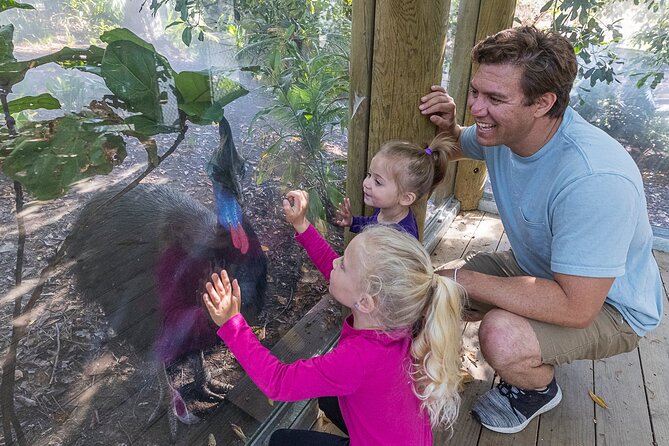
The Africa Tram is your included star. The ride is about 30 minutes, and it takes you past animals like elephants and zebras, along with several endangered species. With unlimited rides in your ticket, you can wait out a line, come back later, or break your day into chunks.
That’s the value: unlimited means you can fix your own pacing problem. If you catch a quiet window, you can re-ride when animals are more active. If it’s hot, you can step onto the tram and cool down while still feeling like you’re getting the core safari experience.
Do watch the trade-offs. Some people have described tram line issues, and if lines get long, you may end up mixing in other safari-style options that can cost extra. If you want to avoid that scenario, aim for earlier ride times and keep your day flexible.
Nairobi Village and food breaks that don’t waste your day
You won’t be stuck outdoors the whole time. Nairobi Village is a practical mid-day stop for dining and shopping. If you want a fuller sit-down meal, the Watering Hole at Kijamii Overlook is the one called out for full-service dining. For quick bites, there are smaller food options scattered throughout the park.
From a practical standpoint, this matters because zoos are long days. You’ll probably walk, stand, take photos, and then do it again. A good food stop is less about luxury and more about keeping your energy up for the second half of your route.
If you’re trying to manage diet or budget, you can bring your own food in small containers. Just note what’s not allowed: no coolers, no glass containers, and no alcohol. The park also doesn’t provide food storage, so pack smart and carry what you’ll eat.
One useful review pattern: some families felt it was smart to bring healthy drinks and snacks, especially if you want reliable hydration and you don’t want to hunt for specific items mid-walk.
Getting around: heat, walking, and rentals that help
This park is big. Even when it feels well-organized, you should expect real walking time. The experience is listed for moderate physical fitness, and the layout is very open, so sun and heat can become a bigger factor than you expect.
Comfort moves matter:
- wear shoes you trust for long distances
- bring water and something salty if you tend to cramp in warm weather
- plan rest stops on purpose (tram rides and Nairobi Village)
If you need help getting around, the park has options. Wheelchairs and electric scooters are available to rent for a nominal fee. Reviews also mention renting scooters, plus options like e carts and strollers. If mobility is a concern, don’t wait until you’re already tired—stop early to see what’s available.
Animal viewing reality check: how to think like a safari photographer
This is where expectation-setting pays off. A zoo day includes quiet moments. Animals sleep. They hide. They move between spots. Even in open habitats, you don’t control the animal schedule.
The upside is that the park is set up for observation. When animals are out, you can often see them in a way that feels more natural than you’d get in a tight pen. And because habitats are spread out, you can sometimes catch animals at a distance and still feel like you’re reading their behavior.
Some visitors have reported cases where certain highlights were hard to see for the entire day, such as elephant viewing that ended up farther from viewing areas or being affected by construction timing. That doesn’t mean the park is broken—it means your experience may hinge on the exact moment you’re there.
My practical advice: pick 2 to 3 “must-see” species, then let the rest be bonuses. If an attraction is quiet or far, you’ll still leave satisfied because you worked your route with intention.
Staff and signs: where the experience can flow, or get bumpy
Staff support is one of the brightest parts of the day. People have praised knowledgeable volunteers and friendly team members who help with directions and show you the best ways to see what you came for. One guide name that stands out is Delaney, described as friendly and informative.
That said, not every part of the visitor experience is perfect. A few reviews call out confusing signage—especially around where restrooms and area information are. Others mention that a small number of staff interactions weren’t as warm as you’d expect.
You can handle both issues with a simple approach: when you arrive at a new zone, ask one question from a staff member about what’s active right now or where the best overlook is. Then use maps and signage only as support, not as your only plan.
Who the day pass suits best (and who should think twice)
This is a strong fit if you want:
- a safari-style park feel in San Diego
- a mix of walking trails and tram-based viewing
- family-friendly, photo-friendly themed areas like Africa and Walkabout Australia
- conservation-focused experiences with real habitat design
It’s less ideal if you:
- hate walking and want almost everything from a tram only
- expect guaranteed close-up animal sightings every time
- are sensitive to day-to-day changes in animal behavior
- don’t want extra spending beyond the base ticket (upgrades and parking can add up)
Should you book the San Diego Zoo Safari Park any day pass?
I’d book this pass if you want a flexible day with a built-in anchor (unlimited Africa Tram rides) and you’re willing to spend time on trails for the best views. The mobile ticket and direct entry are also a big plus because you start sightseeing fast and reduce gate hassle.
I’d think twice if your plan relies on seeing every headline animal from one location or if walking long distances will be a struggle. Also keep in mind that some highlights can be impacted by construction or by where animals choose to spend their day, so you’ll feel happier if you treat the park like a habitat tour, not a checklist.
If you’re going for a first visit to this kind of experience in San Diego, this pass is one of the easiest ways to do it without getting locked into a strict schedule. Build your day around the tram, use trails to connect between viewpoints, and give the animals time to show up.
FAQ
How do I redeem my San Diego Safari Park ticket?
This is a direct entry ticket. You scan your mobile ticket at the turnstiles for admission, with no ticket exchange at Will Call.
How long is the San Diego Zoo Safari Park 1-day pass?
The experience is listed as about 2 to 8 hours, depending on how much of the park you cover.
What are the Safari Park opening hours?
The park is open daily from 9:00 AM to 6:00 PM.
Is there free parking at the Safari Park?
No. Parking is available but has a fee, which can change over time. Payment can be made by credit/debit card or cash.
Can I bring my own food and drinks?
Yes, you can bring your own food in small containers. No coolers, glass containers, alcohol, party trays, or decorations are allowed. No food storage facilities are available.
Do I need to visit on the exact date on my ticket?
No. The date is for reference only. Tickets are redeemable one year after purchase, and you don’t need an amendment/date change for travel within that year.