REVIEW · SYDNEY
WILD LIFE Sydney Zoo
Book on GetYourGuide →Operated by Merlin Entertainments Group · Bookable on GetYourGuide
Crocodiles, kangaroos, and koalas—no plane ticket needed. WILD LIFE Sydney Zoo packs a full Darling Harbour animal adventure into one walkable day, with close encounters and habitat zones designed like mini Australian regions. You’ll meet wallabies on rocky outcrops, hunt down wombats in burrow-style hideaways, and spot creatures that feel oddly at home in the middle of the city.
I especially love how the experience is built around walk-through habitats, not just looking from behind glass. I also like the keeper talks, because they add context you won’t get from a quick photo-and-go circuit.
One consideration: the setting is compact, so crowds can make it feel a bit tighter at peak times, especially in the most popular animal areas.
In This Review
- Key highlights worth planning for
- WILD LIFE Sydney Zoo in Darling Harbour: a full Aussie day indoors
- Price and value at about $27: what you actually get
- Your walking route through 9 Aussie habitat zones
- Close encounters: kangaroos, rock-wallabies, wombats, and echidnas
- Koalas and Rex the crocodile: the moments that make the ticket feel worth it
- Keeper talks: how to get more from a short 10am–3pm-style day
- Crowds, space, and comfort: small zoo energy with city-day tradeoffs
- Who this fits best (and who may want a different stop)
- Should you book WILD LIFE Sydney Zoo?
- FAQ
- Where is WILD LIFE Sydney Zoo located?
- How much time should I plan for?
- What are the opening hours during the current schedule?
- What animals can I expect to see?
- Is a guided tour included?
- How much of the experience is included with entry?
- Is there an option to take a photo with koalas?
- Is the venue wheelchair accessible?
- Can I cancel or pay later?
Key highlights worth planning for
- 9 Aussie-themed habitat zones let you cover a lot of ground without leaving Sydney
- Wallaby Cliffs is the spot to look for yellow-footed rock-wallabies
- Keep an eye out for butterflies and snakes in the foliage areas
- The crocodile experience centers on Rex the crocodile
- Keeper talks help you understand what you’re seeing, not just pass by it
- You can add a koala photo upgrade, but it’s not included in standard entry
WILD LIFE Sydney Zoo in Darling Harbour: a full Aussie day indoors
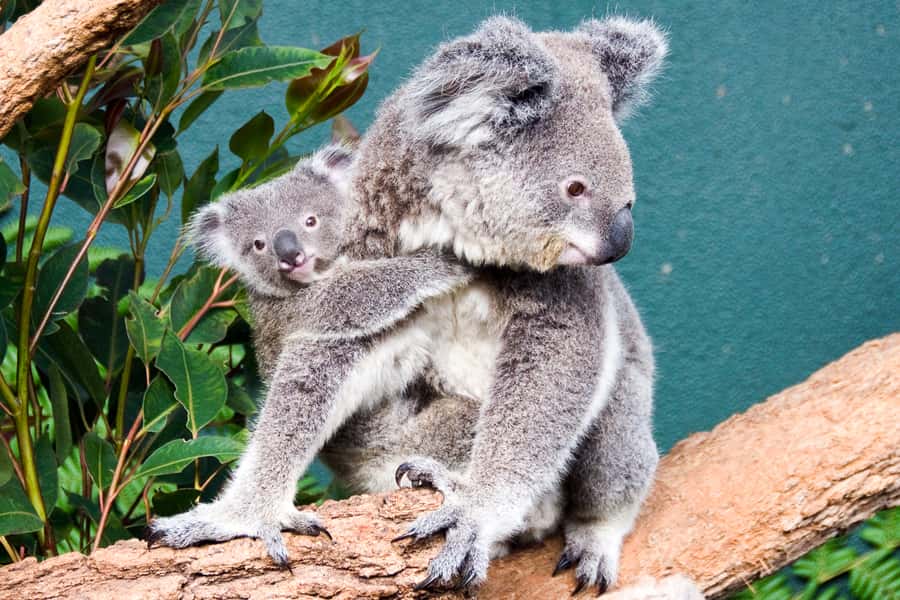
If you want authentic Australian wildlife without the long haul, WILD LIFE Sydney Zoo is a smart way to spend your time. The zoo sits at Aquarium Wharf in Darling Harbour, which matters because you can tack it onto a day that already includes the water, the harbor, and easy public-transport access.
The big pitch here is simple: you walk through terrain that imitates different parts of Australia—rocky zones, rainforest-style greenery, and watery habitats—so your brain keeps getting a fresh “where am I?” feeling. That makes the whole visit work even if you only have a few hours.
And because it’s indoors-and-outdoors in a controlled way, it’s also a practical option when Sydney weather feels like it’s trying to win. Several people specifically highlight using it as a shorter daytime activity when staying outdoors for long isn’t realistic.
Price and value at about $27: what you actually get
At roughly $27 per person for entry, this zoo isn’t trying to compete with free city attractions. But for what you’re paying for, it tends to feel fair: you’re buying access to a focused experience built around close encounters and lots of Australian species, not a giant zoo you’ll never fully see.
The included value looks like this:
- WILD LIFE Sydney entry
- 9 habitat zones designed for walking through
- Over 100 species of Australian animals
- Close-encounter opportunities involving koalas and other iconic marsupials
Here’s how that turns into real value for you. If you’re in Sydney for a short stay, you need “high hit-rate” attractions—things that let you see several signature animals in one go. This place is built for that, including obvious draws like kangaroos and koalas, plus a strong lineup beyond them.
The one “value warning” is personal. If you’re an adult who hates paying premium prices for a smaller zoo footprint, you might feel the cost more sharply. But if you’re traveling with kids, or you want a compact wildlife stop that works well for limited time, the price makes more sense fast.
Your walking route through 9 Aussie habitat zones
You won’t just wander one enclosure at a time. The flow is organized into 9 Aussie-themed habitat zones, and the design nudges you to keep moving, because the terrain changes.
Here’s what that walking route feels like, zone by zone:
Wallaby Cliffs (rocky habitat)
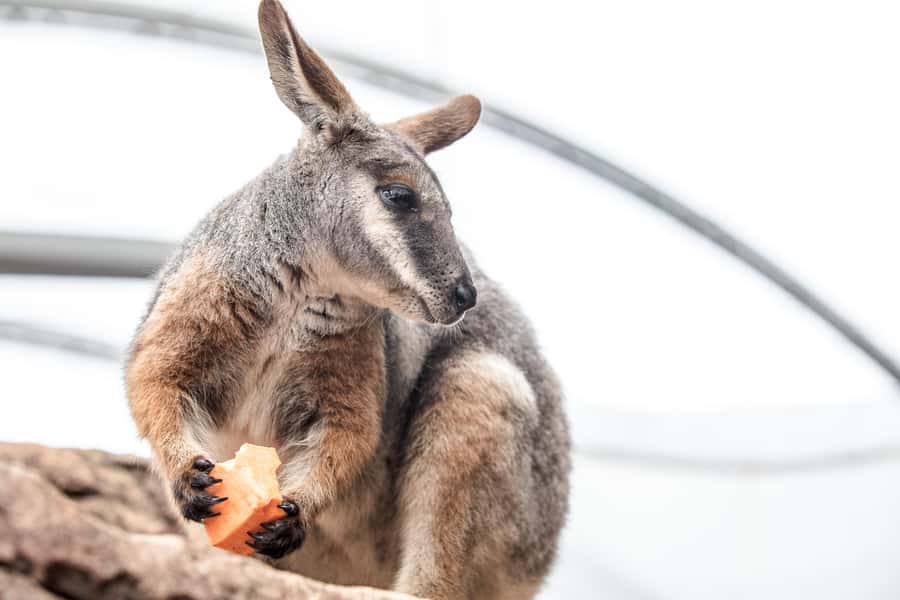
This is where you’ll want to slow down. The rocks are the point: they’re jagged and built for viewing the yellow-footed rock-wallaby. This is one of those areas where the animals look agile in a way you can’t fully appreciate from a distance. You’ll often catch them perched or hopping along rock edges.
Wombat grass-and-burrow areas
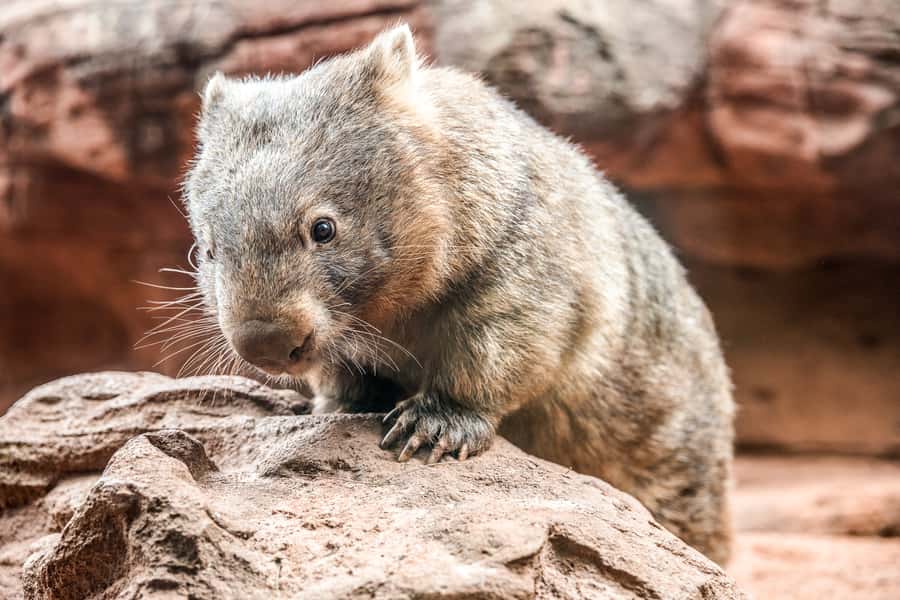
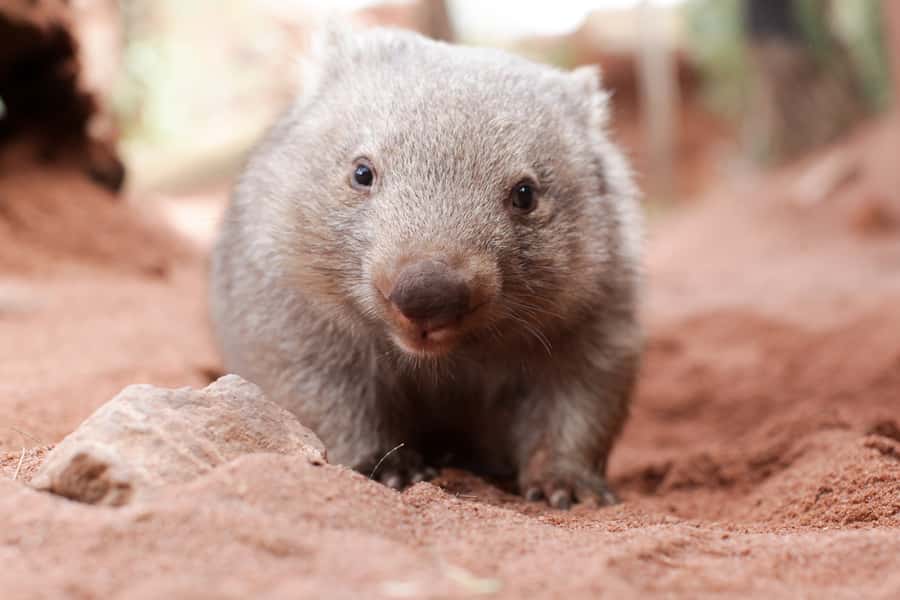
Next, look for the hairy-nosed wombats. The design matters here: you’re not just seeing them in a flat yard. The zoo includes burrow-style hiding spots, which helps you understand how these animals live—quiet, grounded, and focused on shelter. If you like animals that feel “serious” and low-key, this is a highlight.
Daintree Rainforest recreation
This rainforest-style zone shifts the vibe toward leafy cover and hidden movement. It’s also where you may spot other surprises like butterflies and areas that can hold snakes in foliage-type settings. The trick is to walk slower than you think you need to—motion and stillness both matter in these habitats.
Kakadu Gorge and Top End-style spaces
You’ll move through a recreation of Kakadu Gorge and the “Top End” feel: gorges, grassland edges, floodplain-style areas, and estuary flats. Even if you’ve never been to Australia’s far north, the zoo’s job is to help you picture how the animals might use space differently across these environments.
Water-focused habitats
Crocodiles and turtles aren’t just stuck in a corner view. The water setup is designed for scanning and noticing—gliding movement, reflections, and the sense that the animals are “doing their thing” rather than posing.
Overall, the route works best if you accept one reality: this is a zoo built for walking and finding, not a slow museum-style stroll. You’ll see a lot more if you treat it like a hunt for the next habitat moment.
Close encounters: kangaroos, rock-wallabies, wombats, and echidnas
One of the strongest reasons to choose this zoo is that it’s built around Australia’s signature animals you actually came to see: kangaroos, koalas, and other marsupials.
Kangaroos and walk-through habitat design
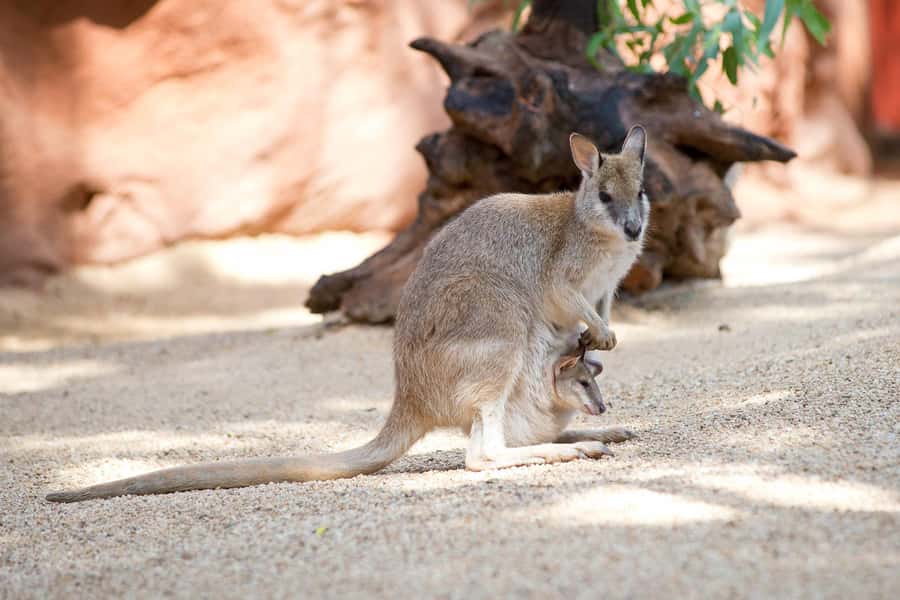
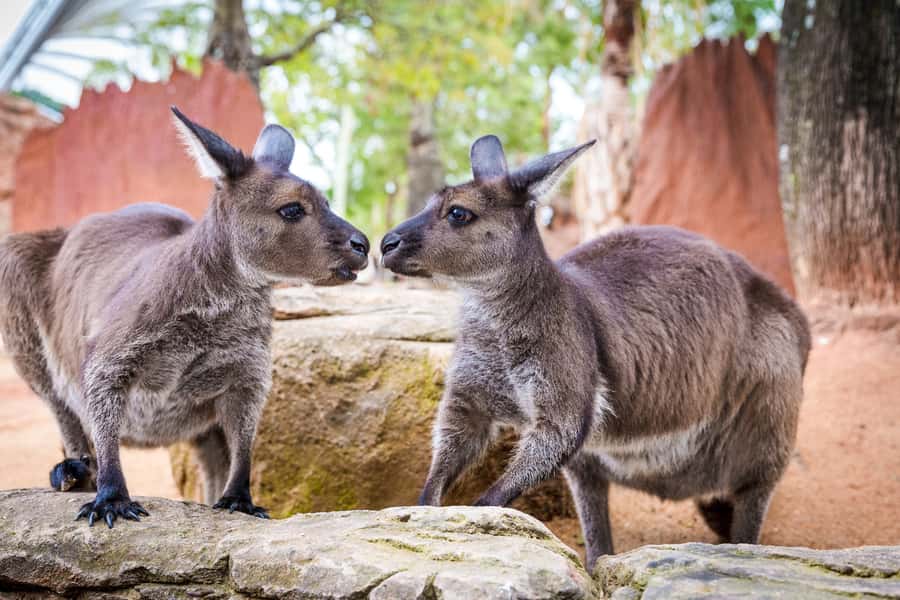
The zoo includes enhanced walk-through areas where you can get close to kangaroos. The feeling is different from standard “see them behind a fence” setups, because the habitat is built to allow you to be near the animals in a more natural arrangement.
Also, this is where the experience becomes a little emotional in a good way. In several accounts, people describe it as a highlight because it feels personal—watching kangaroos settle, move, and react to their space.
Yellow-footed rock-wallabies
Rock-wallabies can steal the show because they’re both cute and athletic. If you like animals that do quick bursts of movement, keep your eyes on rock edges and ledges. This isn’t just about spotting them once—it’s about catching them in action.
Wombats
For me, wombats are the “quiet win.” They don’t need to perform. The burrow-style shelter and grassy foraging areas help you notice their calm rhythm. You’ll also likely spend a little extra time here if you enjoy slow animal watching.
Echidnas (if you catch them out)
Some visitors specifically mention echidnas as part of what made the trip worthwhile. The key is expectation-setting: some animals are easier to see than others depending on time of day and what they’re doing. Your best bet is to revisit areas you care about as you walk back through the route.
Koalas and Rex the crocodile: the moments that make the ticket feel worth it
Two animals drive a lot of the buzz for good reasons: koalas and crocodiles.
Koalas: close encounters and a photo add-on
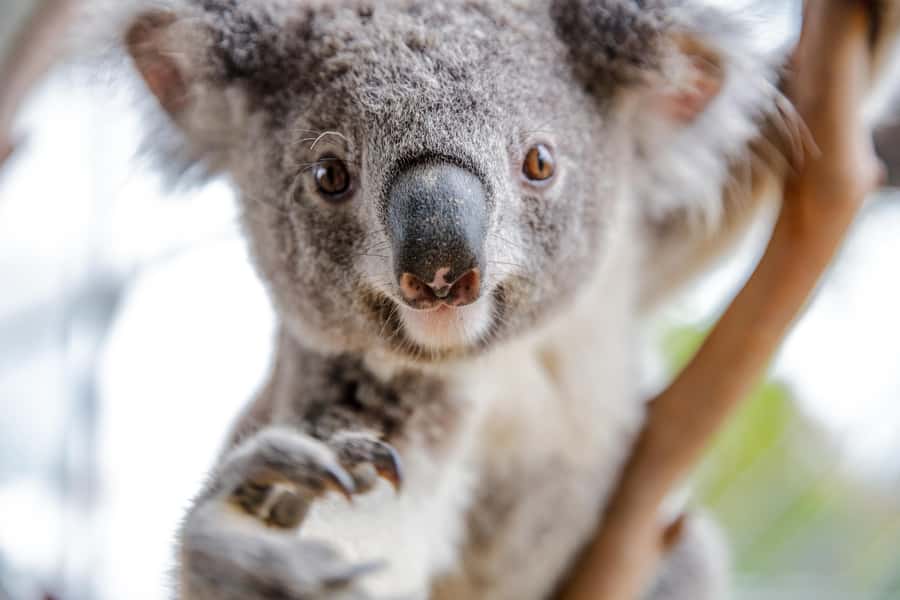
You can expect close encounters with koalas included with entry, and there’s also the option to pay extra for a photo with the koalas (not included in the base price). If you’re deciding whether to add the photo, think about why you’re there.
If you love koalas and want a keepsake, it can be a memorable splurge. But if you’re budget-focused, you can still get a strong experience without the upgrade because the koalas are a core part of the zoo’s layout.
Crocodiles: say hello to Rex
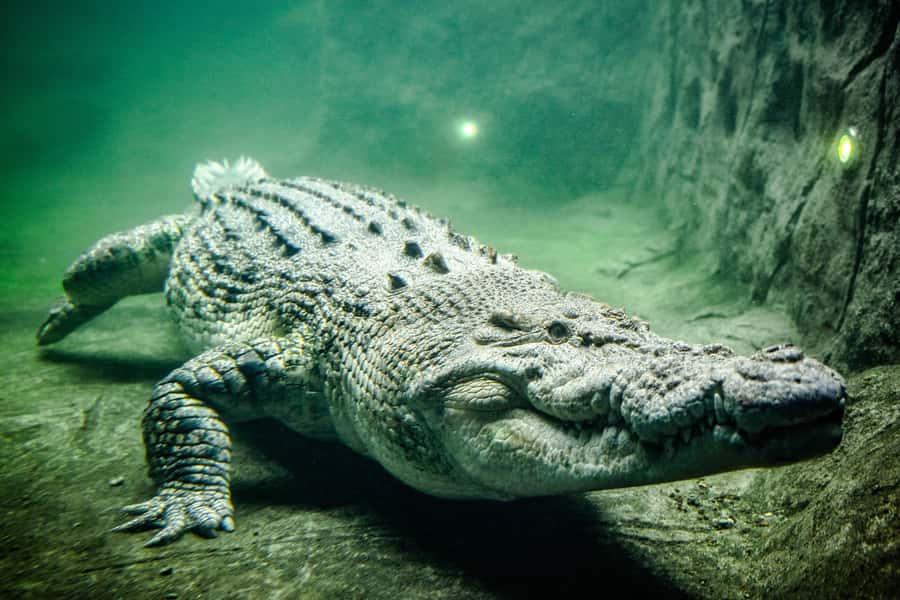
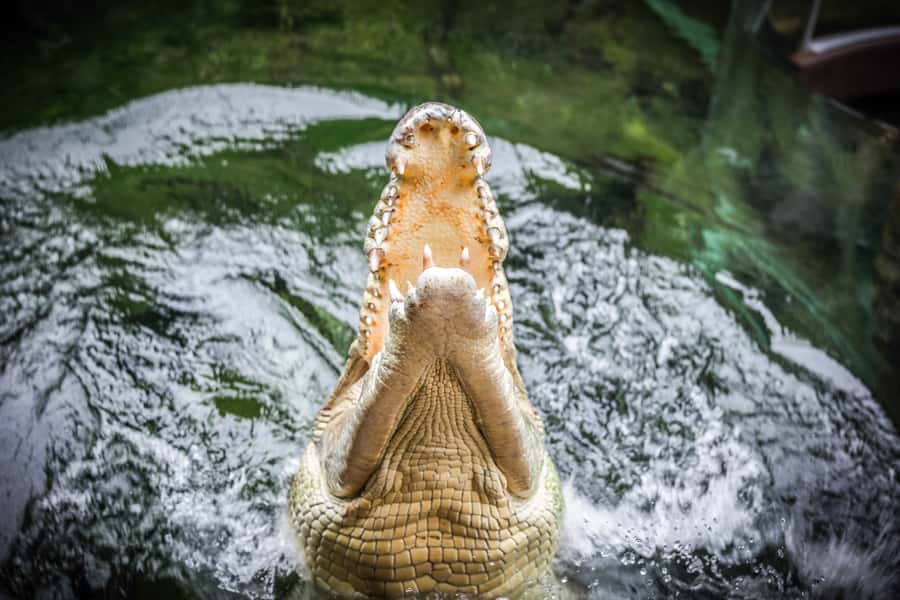
The crocodile highlight is Rex the crocodile. Crocodiles can be hard to appreciate in typical zoo settings because you miss the behavior and water movement. Here, the setup leans into that water feel, so scanning the water becomes part of the fun.
If you enjoy creatures that feel ancient and intense, Rex is one of those “okay, wow” sightings.
Snakes and butterflies
Not every zoo makes you think of butterflies and snakes as part of the same day, but this one does. In the foliage-heavy zones, you might spot butterflies and you may see snakes in areas built to resemble natural cover. This is great for people who like variety—but if snakes make you uneasy, you’ll want to pace yourself and watch where you’re stepping and looking.
Keeper talks: how to get more from a short 10am–3pm-style day
With hours set to 10:00 AM–4:00 PM (and last entry at 3:00 PM during the current operating schedule), you’re on a clock. That makes keeper talks more than a nice bonus. They can help you understand what to focus on before you hit the walking path.
Keeper presentations tend to be entertaining and practical, and they add meaning to animal sightings—like why a certain habitat is built the way it is, or what behaviors you might notice if you slow down.
Here’s my advice for squeezing value out of short time:
- Start by deciding your “must-see” animals: usually koalas and kangaroos, then one wildcard like wombats or crocodiles.
- Use keeper talk moments to pick up cues about where the animals may be active.
- Don’t treat every zone equally. If an area doesn’t hook you, move on and come back only if you have time.
If your day in Sydney includes other harbor stops, this zoo fits nicely as a focused half-to-full day plan. People also describe it as a good “short break” activity during hot weather, which tells you the pacing works for real travel schedules.
Crowds, space, and comfort: small zoo energy with city-day tradeoffs
This is where you should set expectations. It’s a compact zoo. That’s part of the charm for time-crunched travelers, but it can also lead to crowding in popular zones like kangaroos and koalas.
So what should you do if you dislike tight spaces?
- Go earlier rather than later, especially if you’re sensitive to crowd flow.
- Be okay with short pauses instead of long stand-still photo sessions.
- If an enclosure looks packed, walk forward to the next habitat while you wait for the crowd to shuffle.
Food and seating are also practical considerations. There’s a small on-site cafe with seating that looks out toward koalas. It’s handy when you’re doing a day that includes walking and harbor sightseeing, but don’t plan your whole day around finding a huge, leisurely meal service.
In other words: treat food as a stop, not your main event.
Who this fits best (and who may want a different stop)
Best for:
- Families with young kids who want a compact set of Aussie animals with hands-on style viewing
- Short-stay travelers who want high recognition species in one day
- People who prefer native wildlife over “any generic zoo animals”
- Travelers who like keeper interaction and educational animal context
Less ideal for:
- Adults who dislike paying a premium for a smaller zoo footprint
- People who get uncomfortable with snakes in naturalistic foliage-style displays
- Anyone who hates crowding and can’t handle compact walkways during peak hours
One more reality check: if you’ve already done a big, sprawling zoo elsewhere, this one can still work because it’s specialized. It’s focused on Australian animals and habitat storytelling, not on covering every species on Earth.
Should you book WILD LIFE Sydney Zoo?
Book it if you want a smart, efficient Australian wildlife hit right in the city—especially if you’re short on time, traveling with kids, or you want koalas and kangaroos plus a wider set of native animals like wombats and rock-wallabies.
Skip or rethink if you’re a wildlife enthusiast who needs lots of space and low crowd levels, or if snakes and indoor crowd density would ruin your day. Also, if you strongly dislike paying for optional extras, decide in advance whether the koala photo is worth it for you, since it’s not part of standard entry.
If your schedule allows, aim for the earliest entry window you can manage. You’ll enjoy more of the animals’ natural rhythm—and you’ll have less pressure from people trying to race to the same highlights.
FAQ
Where is WILD LIFE Sydney Zoo located?
It’s in the heart of Sydney at Aquarium Wharf in Darling Harbour (New South Wales).
How much time should I plan for?
It’s listed as a 1-day experience, and many people find it works well as a shorter daytime activity.
What are the opening hours during the current schedule?
Hours are 10:00 AM to 4:00 PM, with last entry at 3:00 PM.
What animals can I expect to see?
You can expect native Australian wildlife such as kangaroos, wombats, yellow-footed rock-wallabies, koalas, crocodiles (including Rex), plus butterflies and snakes.
Is a guided tour included?
No. A guided tour is not included.
How much of the experience is included with entry?
Entry includes WILD LIFE Sydney admission, 9 habitat zones to walk through, and over 100 species of Australian animals.
Is there an option to take a photo with koalas?
A photo with the koalas is not included, but there is a paid photo option.
Is the venue wheelchair accessible?
Yes, it’s listed as wheelchair accessible.
Can I cancel or pay later?
Yes. There’s free cancellation up to 24 hours in advance for a full refund, and you can use reserve now & pay later to keep your plans flexible.
You Might Also Enjoy

More Tour Reviews in Sydney
- Blue Mountains Small-Group Tour from Sydney with Scenic World,Sydney Zoo & Ferry
★ 5.0 · 3,709 reviews