REVIEW · MELBOURNE
Australian Wildlife Tour at Melbourne Zoo Ticket – excl. entry
Book on Viator →Operated by Zoos Victoria · Bookable on Viator
That 8:00 am start changes everything. You get a short, guided run through Australian bush-style animal viewing before most of the zoo wakes up. The value is real if you want close-up animal time without spending all morning searching.
I like two things most. First, the tour focuses on a few standout ambassadors—koalas, kangaroos, wombats, and native birds—so you get context, not just photos. Second, you’re allowed behind the scenes for an intimate kangaroo exhibit encounter, which turns a normal zoo visit into something more personal. One thing to consider: it’s only about 45 minutes and it does not include general zoo entry, so you’ll want a separate plan if you want to see the whole zoo.
Here’s the practical vibe: small group, early access, and a staff-led route that moves at a comfortable pace. It runs in all weather conditions, and you’ll be expected to wear covered shoes, so dress for real walking, not just show.
In This Review
- Key takeaways before you go
- Why the 8:00 am start feels like a wildlife prologue
- Price and logistics: what $71.01 covers (and what it doesn’t)
- Koala talk: learning facts you can actually use
- Kangaroos and that back-of-house experience
- Wombat burrow time: weight, habitat, and close observation
- Great Flight Aviary finale: birds with real personalities
- Small group energy: how the pacing works
- Practical tips so you get the most out of 45 minutes
- Who should book this tour, and who should plan differently
- Should you book this Australian Wildlife Tour at Melbourne Zoo?
- FAQ
- Is general admission included with the tour?
- What time does the tour start?
- How long is the tour?
- How many people are in a group?
- Do I need covered shoes?
- What animals are part of the tour?
- When will I receive confirmation after booking?
Key takeaways before you go
- Before-hours access lets you see animals as they wake up and start their day
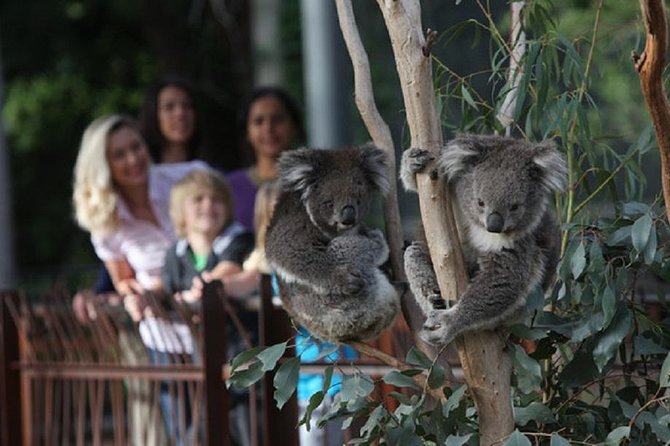
- Koala talk gives you quirky, plain-language facts that make sightings easier
- Kangaroo up close, back-of-house access is the highlight for many people
- Wombat burrow visit puts you right at the habitat level, not the far-side fence
- Great Flight Aviary wrap-up ends with color and calls from native birdlife
- Maximum 10 people keeps the group feeling small and manageable
Why the 8:00 am start feels like a wildlife prologue
An early start isn’t just a schedule trick. It shifts the whole experience from busy “tourist zoo” mode into calm “watch the animals do their thing” mode. You’re at Melbourne Zoo before a regular day crowd would be moving through.
The timing also matters for how animals behave. When you meet the koalas, kangaroos, wombats, and birds earlier in the day, they’re more likely to be active, curious, and ready to be seen. If you only visit later, you might still spot them—just with a different energy level.
The tour is about 45 minutes, so it’s not a half-day commitment. Plan to spend more time at the zoo if you want extra variety beyond the animals on the route.
Price and logistics: what $71.01 covers (and what it doesn’t)
At $71.01 per person, this is priced like a guided experience, not a full zoo ticket. The big catch: general admission is not included. You can add entry so you can re-enter Melbourne Zoo, or you can pre-purchase admission when booking.
That split affects your decision. If you only want the guided segment and you don’t care about seeing every exhibit, the tour-only setup can make sense. If you want the whole zoo day, treat this as your morning “starter” and plan admission for the rest of the time.
Logistically, the tour runs from Melbourne Zoo at Elliott Ave, Parkville VIC 3052. It starts at 8:00 am and returns to the same meeting point. It’s near public transportation, which is helpful because Zoo days can be a hassle if you’re dependent on parking.
Koala talk: learning facts you can actually use
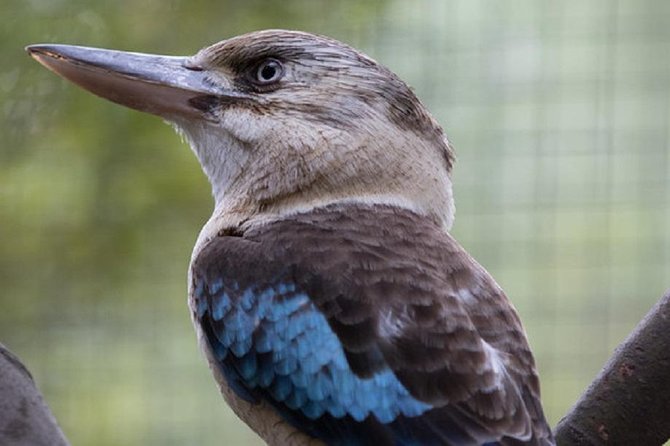
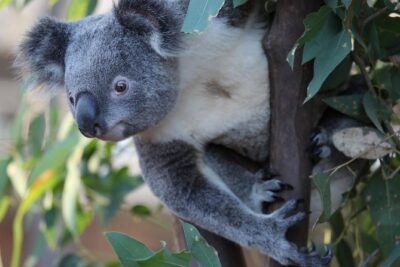
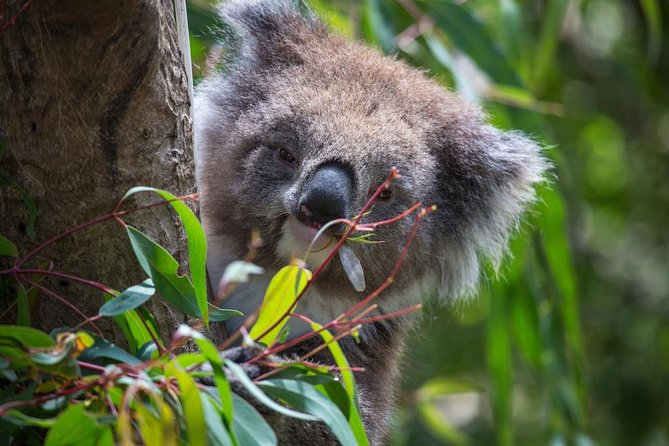
The tour begins with a guided koala presentation. This is where the staff turn a cute animal into a better story: you learn quirky, practical details that make your later sightings more meaningful.
Why this part is worth doing on a tour (instead of wandering by yourself) is simple. When you understand what you’re looking for—behavior cues, general habits, and what makes koalas special—the rest of your zoo day feels sharper. You’ll notice more and feel less like you’re just scanning enclosures.
If you’re traveling with kids, this stop usually lands well because it’s structured. You’re not trying to keep energy up while everyone separates to look at different animals. The group stays together for the key teaching moment.
Kangaroos and that back-of-house experience
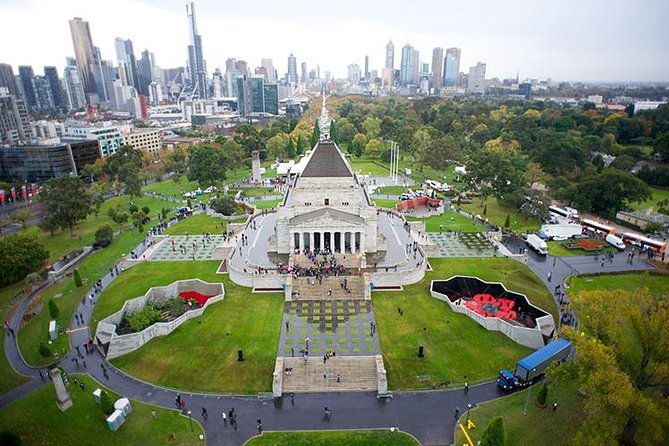
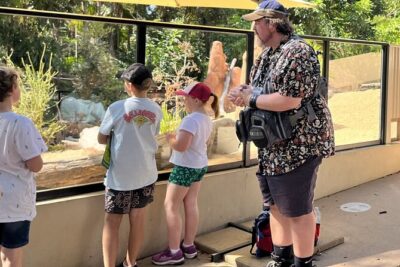
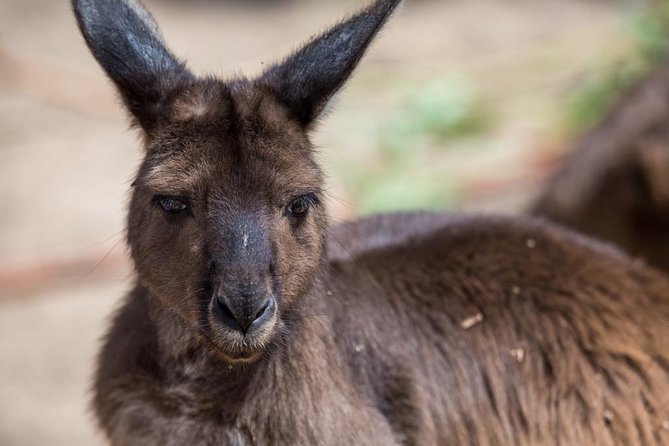
After the koalas, you move to kangaroos and emus. The tour is built around “see it and learn it,” not “look from far away.” If you’re lucky, you might witness kangaroos doing something daily—like having breakfast—right there in front of you.
The standout is the kangaroo up-close encounter. The experience includes a behind-the-scenes style moment where you hop into the back-of-house for a more intimate look at the kangaroo exhibit. Even if you’ve seen kangaroos in zoos before, this is the part that tends to make people feel like they got more than a standard walk-through.
A small group helps here. With fewer people around, you get a better chance to see what’s happening without constant crowd blocking. You also get more room to ask questions to the guide during the moment.
One practical note: the starting point and entrance details can be confusing if your ticket wording doesn’t match what you expect. I’d rather you be early, look for staff instructions on arrival, and be ready to adjust rather than waiting around at the wrong rail gate.
Wombat burrow time: weight, habitat, and close observation
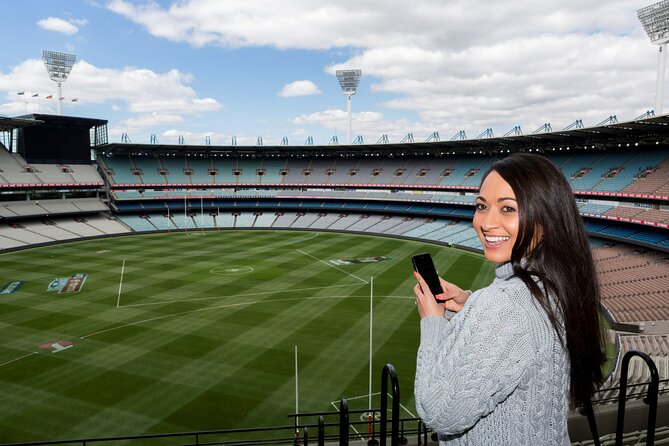
Then comes the underground stop: the wombat’s burrow. The tour doesn’t just point you at a habitat view from a distance. You’re guided to the burrow so you can understand what kind of environment a wombat needs.
Wombats are famous for their stocky bodies and burrowing habits. In this tour, the key detail is the scale: they can weigh over 30 kg, which puts their toughness into perspective. When you learn the size and the burrowing behavior, you start to see the exhibit as a real home—not a token “wombat area.”
This is also a good stop for calmer attention. Unlike birds that may move quickly out of sight, the burrow habitat is easier to focus on. You’re more likely to catch the shapes, openings, and signs of activity when the guide directs your eyes.
If you’re bringing kids, burrow time can be a win because it turns “spot the animal” into “understand the habitat,” which is usually easier to keep interesting.
Great Flight Aviary finale: birds with real personalities
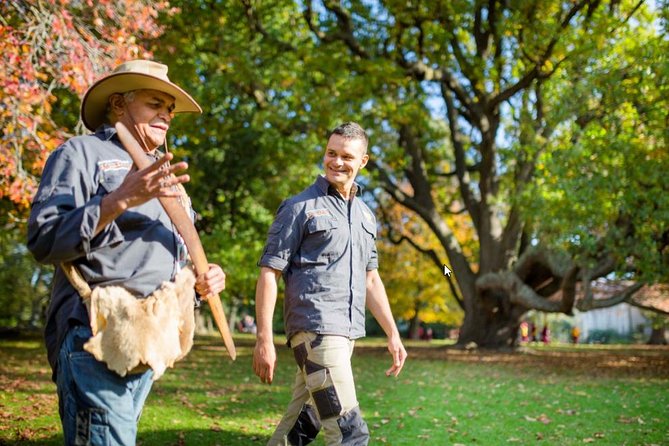
The tour finishes with a walk through the Great Flight Aviary. This is where the experience shifts from ground-level marsupials to native birdlife with sound and color.
The aviary has named species you can look for, including red-tailed black cockatoos, wonga pigeons, apostle birds, and jabiru. You’ll also have a chance to spot other birds such as parrots, honeyeaters, pigeons, and ducks (the list is partial, but the game is clear). The guide’s role here is to help you identify what you’re seeing so the aviary doesn’t become just a blur of movement.
Why the ending matters: birds can feel harder to read than mammals. If you come in already knowing what the guide is watching for, you’ll feel more successful. You’ll also get closure to the tour with a bigger visual payoff than another quick animal stop.
Small group energy: how the pacing works

This is capped at a maximum of 10 travelers. That number matters more than it sounds. In a small group, you’re not trapped behind a wall of people trying to see the same animal at the same time.
It also means the guide can keep the route moving without rushing you. The tour is short, but it doesn’t feel like a sprint. The agenda is tightly organized: koalas first, then kangaroos and emus, then wombat burrow, then birds.
Most people can participate, and children must be with an adult. If you’re planning around kids, this tour style helps because it’s predictable. You know the route will stay together and that the most exciting encounters happen early rather than scattered across the day.
Weather is included in the planning, too. The tour operates in all weather conditions, so bring a layer you can walk in. If you only pack a light summer outfit and a drizzle hits, you’ll wish you had a backup.
Practical tips so you get the most out of 45 minutes
Here’s how to make your time count.
- Wear covered shoes. This is required. Thick soles and grippy bottoms make the walk easier, especially if paths are damp.
- Arrive a bit early for the 8:00 am start. The tour begins at the zoo entrance point, and you want to get yourself oriented without stress.
- Bring a plan for after the tour. Since general admission isn’t included, decide right away whether you’re staying for more exhibits or heading to lunch elsewhere.
- Use the guide’s spotting help. Birds and wombats can be easy to miss if you don’t know what you’re scanning for. Ask questions when they come up and you’ll see more.
If you’re the type who loves animal care stories, you’re in luck. The experience is guided by staff, and the tone tends to be enthusiastic and hands-on rather than lecturing. If you’re curious about how the keepers manage habitats, ask during the kangaroo and wombat segments.
Who should book this tour, and who should plan differently
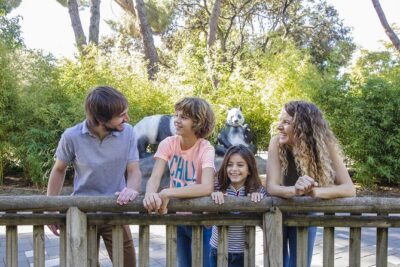
This one is ideal if you want an early start, a short time commitment, and a guided “hit list” of Australian animals. It’s also a good match for families because the structure is easy: meet the koalas, see kangaroos up close, visit the wombat burrow, and end with birds.
It may not be the best choice if you’re hoping to see every animal in the zoo. The tour is focused, and you’ll cover only the stops on the route. If full zoo coverage is your goal, use this as your morning foundation and then roam on your own with admission.
Also, if you’re very sensitive to crowds, the small group helps. You’ll still be in public spaces at the zoo, but the tour itself avoids the large-bus feeling.
Should you book this Australian Wildlife Tour at Melbourne Zoo?
I’d book it if you want a high-value morning experience that mixes education with real close-up time. The kangaroo up-close, back-of-house encounter is the reason to do it, and the koala talk plus wombat burrow stop turns the visit into more than just pass-by sightings. The Great Flight Aviary finish is a strong payoff when you’re ready to switch from mammals to birds.
Skip it (or treat it as optional) if you’re only interested in a broad, full-day zoo wander and you don’t want to pay extra for a guided segment. Since admission isn’t included, you’ll also want to be sure you’re comfortable paying for the rest of the zoo separately if that’s your plan.
If you like your zoos thoughtful, structured, and not rushed, this tour fits the bill.
FAQ
Is general admission included with the tour?
No. This experience does not include general admission. You can add general admission for re-entry, or pre-purchase admission at booking.
What time does the tour start?
The tour starts at 8:00 am.
How long is the tour?
It runs for about 45 minutes.
How many people are in a group?
A booking has a maximum of 10 travelers and a minimum of 2 people.
Do I need covered shoes?
Yes. Covered shoes must be worn for the tour.
What animals are part of the tour?
You’ll get a koala presentation, then see kangaroos and emus, visit a wombat burrow, and finish with a walk through the Great Flight Aviary with native birdlife.
When will I receive confirmation after booking?
Confirmation is received within 48 hours of booking, subject to availability.