REVIEW · MELBOURNE
Melbourne Zoo General Entry Ticket
Book on Viator →Operated by Zoos Victoria · Bookable on Viator
A zoo day with zero stress can work great here. With a mobile general-entry ticket, you get access to Melbourne Zoo’s animal sections at your own pace, plus included talks and presentations. It’s also close to the city, so you can turn this into a smooth day out instead of a whole production.
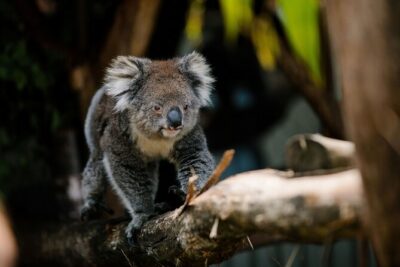
I love that you’ll see 320+ species across open-air habitats and themed areas. From the native Australian stars like koalas and kangaroos to big international favorites like giraffes and zebras, you get real variety without having to book a bunch of add-ons.
One consideration: some enclosures can be closed for renovations, and animals may stay quiet if it’s hot, humid, or rainy. That doesn’t mean the day is wasted—it just means planning your priorities helps.
In This Review
- Key highlights to plan around
- Getting there and timing: a zoo day that fits Melbourne’s hours
- Price and ticket value: what $40.88 buys you (and why planning matters)
- Start smart at the entrance: map, walking rhythm, and first stops
- Australian highlights you can’t miss: koalas, wombats, kangaroos, penguins, and seals
- Wild Sea: the marine loop that adds real variety
- Trail of Elephants and the African savanna: big animals, open-air viewing
- Lemur Island and the raised orangutan walkway: primate watching done right
- Rainforest gorillas and the pygmy hippo surprise
- Butterfly House: when wings land on you
- Kid zones, play spaces, and family comfort breaks
- What can go wrong: renovations, weather, and animals going quiet
- How long to stay: building a 2-to-8 hour visit you’ll enjoy
- Should you book the Melbourne Zoo general entry ticket?
Key highlights to plan around
- Mobile ticket for quick entry and an easy day-on-the-go
- Keeper talks and presentations included with general admission
- Wild Sea for marine life like penguins, fur seals, sharks, and seahorses
- Trail of Elephants plus open-air savanna animals such as giraffes and zebras
- Lemur Island and the raised orangutan walkway for prime primate viewing
- Kid zones with interactive exhibits and play spaces built for younger visitors
Getting there and timing: a zoo day that fits Melbourne’s hours
Melbourne Zoo runs daily on a pretty consistent schedule: 9:00 AM to 5:00 PM during the listed operating periods. That’s helpful for planning because you’re not stuck chasing weird early starts or late-night openings. If you want a quieter visit, going earlier in the day tends to help—lots of people like arriving first thing.
Getting there is also straightforward. The zoo is near public transportation, and it’s set up for easy access by taxi or ride share too. If you’re starting from central Melbourne, you may find the 58 tram is an easy route, especially with kids in tow. Service animals are allowed, which matters for some families and solo travelers.
For practical comfort: this is a walking zoo. Even if you move at a relaxed pace, you’ll rack up steps, and the ground can be uneven in places. Wear comfortable shoes and pack light layers—zoo weather can change fast.
Price and ticket value: what $40.88 buys you (and why planning matters)
At $40.88 per person for general entry, this ticket makes the most sense when you treat it like a full-day plan. The visit window is listed as 2 to 8 hours, which is a wide range. The value depends on how many animal areas you actually want to see, not just on passing through for a quick look.
Here’s what you get that’s genuinely useful:
- General Admission to the zoo
- All keeper talks and presentations (included)
That included talks piece can be the difference between seeing animals as background and understanding what you’re looking at. It also helps you break up the day so you’re not only walking and snapping photos.
Food is not included. You’ll stop for meals and snacks at the zoo’s cafés and restaurants, and you should plan for those costs. If you’re trying to keep the day affordable, bring water and have a simple food strategy (a snack to tide you over, then a proper lunch once you find your preferred café).
One more note on demand: it’s one of the more commonly booked options lately, so it’s smart to secure your ticket ahead to avoid last-minute stress.
Start smart at the entrance: map, walking rhythm, and first stops
Once you’re inside, get oriented right away. There’s a QR code map at the entrance that helps you find your way across the zoo. I like doing this immediately because it turns the place from a big maze into a plan you can execute.
Next, scan the day’s included talks and decide where you’ll be when they happen. If you time it well, you’ll do one or two “big” animal zones and then slot in the talks as a natural break. If you don’t plan at all, you can still have a great day—but you’ll spend more time backtracking.
Then set your walking rhythm. This zoo is full of open-air exhibits and themed routes. Expect paths, crossings, and a steady pace. I’d rather you aim for fewer areas well than rush every headline animal and end up tired.
Australian highlights you can’t miss: koalas, wombats, kangaroos, penguins, and seals
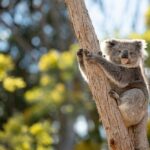
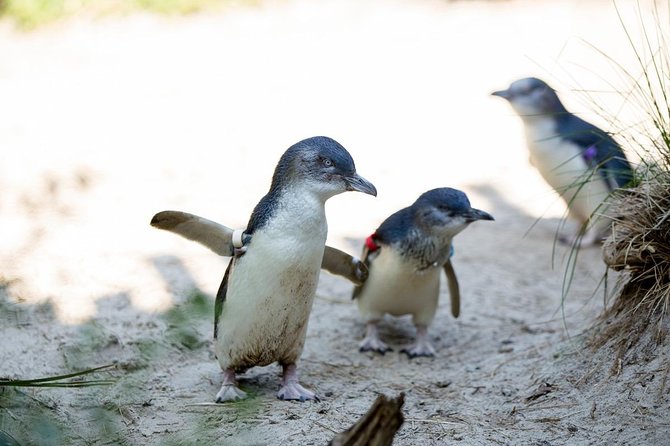
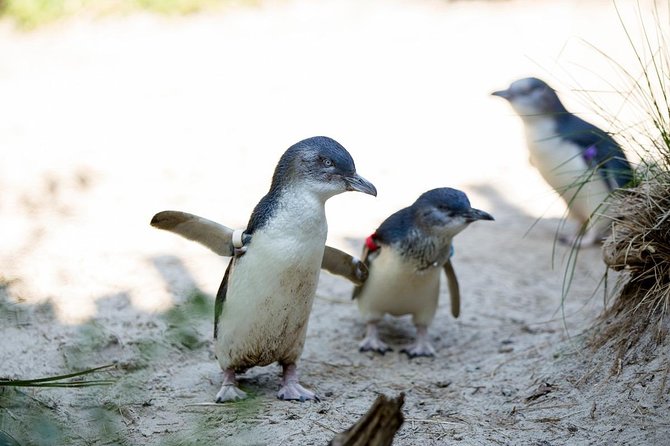
If you only do a small part of Melbourne Zoo, the native and local wildlife parts are usually the best place to start. You’ll find native species such as koalas, wombats, and kangaroos—plus Victorian animals including indigenous penguins and seals.
The reason this matters for your day: local animals often feel more relatable and easier to spot quickly. And they anchor your visit with a Melbourne connection beyond the big international headline creatures.
If you’re traveling with kids, this is where the “wow” moments tend to happen fastest. It’s also a good time to take breaks. You can spend time watching behavior—resting, feeding, moving—without needing to sprint toward the next exhibit.
Wild Sea: the marine loop that adds real variety
The standout marine section is the Wild Sea exhibit. It’s built around seeing marine animals like penguins, fur seals, sharks, and seahorses. Even if you’re not a hardcore aquarium person, this kind of exhibit is a nice change from mammals in open-air yards.
What you’ll get out of it:
- A different set of animals and behaviors
- More chances to slow down and watch movements
- A break from sun and heat because enclosed areas can feel cooler (depending on the day)
If you’re visiting on a rainy day, the zoo atmosphere can feel calmer, and you might get a more relaxed viewing experience. Just remember: weather can also affect animal activity, so don’t judge the whole day by one quiet enclosure.
Trail of Elephants and the African savanna: big animals, open-air viewing
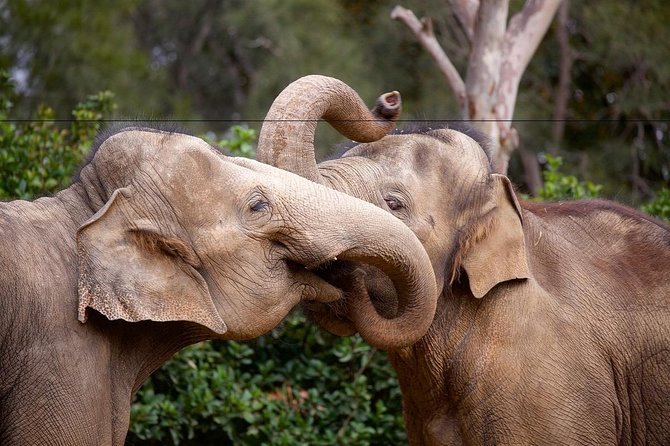
If you want the classic zoo “this is huge” moment, go for the Trail of Elephants. This area focuses on Asian pachyderms, and it’s the kind of exhibit that makes you pause—because you can’t help but notice the scale.
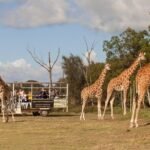
Pair that with the African savanna-style enclosures. You’ll see animals like giraffes and zebras grazing in open-air habitats. Open-air viewing can be great for photos and for feeling less boxed-in than you might expect from some older zoo layouts.
One practical tip: open-air enclosures are still subject to animal preferences. On hot days, some animals may choose shade or stay less visible. Plan your schedule so you don’t burn your best hours waiting in one spot.
Lemur Island and the raised orangutan walkway: primate watching done right
Primates are a big reason people love Melbourne Zoo. Two sections deliver that experience in a very hands-on way:
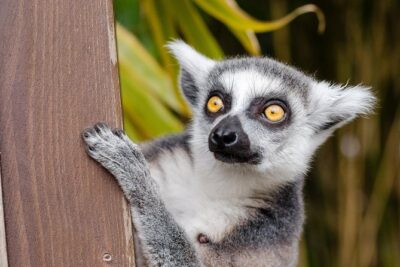
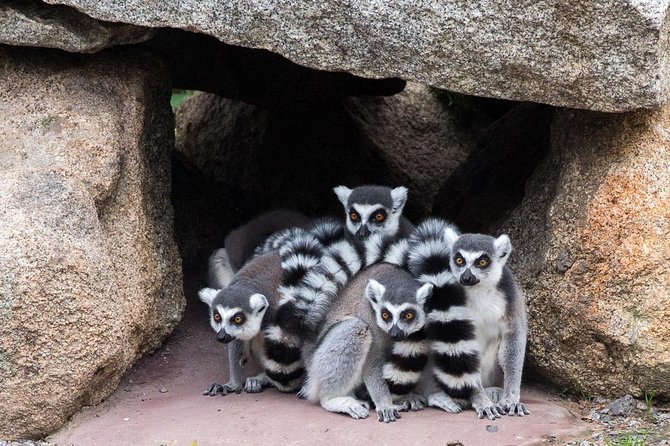
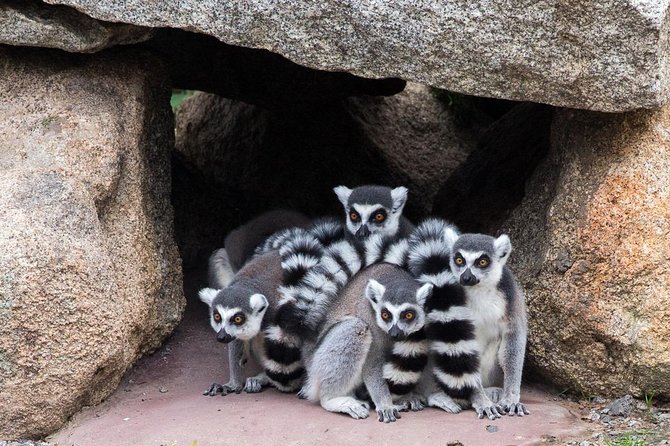
- Lemur Island, where ringtail lemurs are often active and visible
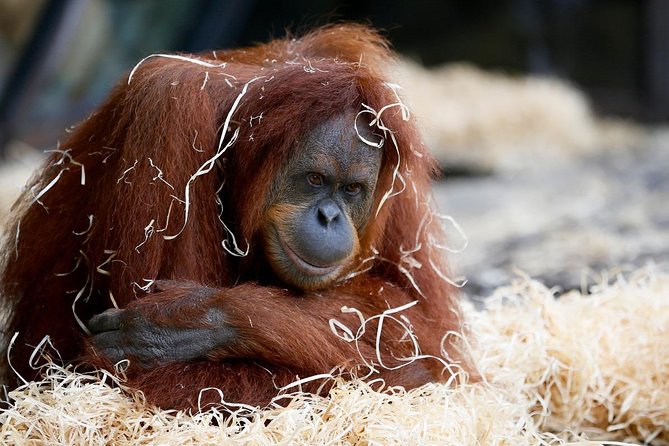
- The orangutan exhibit, viewed from a raised walkway that crosses the treetop area
The value here is view angles. The walkway setup can make primates feel closer without you needing special timing tricks. It also encourages slower viewing. Instead of standing at one fence line, you naturally move along the viewing path and catch different moments.
If you’re a first-time zoo visitor, primates are also a good “anchor” for your day. You’ll likely feel like you got something special even if later animal sightings are limited by weather or renovations.
Rainforest gorillas and the pygmy hippo surprise
The rainforest-style exhibit is where the zoo gets dramatic. You can see gorillas in a special rainforest setting, plus other tropical species. One of the most memorable surprises in this area is the pygmy hippopotamus, which adds a different kind of wow compared with the more common zoo icons.
Why I think this zone is worth your time:
- It shifts the sensory vibe from open-air sun to enclosed, forest-feeling spaces
- It gives you a mix of species in a single stop
- It’s a strong “big exhibit” payoff if you plan your day around it
If you’re traveling with animal lovers, this rainforest area is a natural place to spend extra time. You’ll want a few longer pauses rather than a quick walk-by.
Butterfly House: when wings land on you
The Butterfly House is the zoo’s most playful stop. It’s a lush greenhouse enclosure where butterflies may land right on you as you move through.
This is more than a photo-op. It’s a sensory experience—light fluttering, close proximity, and a different pace than the rest of the zoo. If you’re traveling with young kids, this is often the part that converts curiosity into delight.
The only “plan” I’d suggest here is simple: bring a calm mindset. Butterfly House experiences are naturally unpredictable. Sometimes you’ll see more, sometimes less. Either way, it’s a break from the heavier animal sections.
Kid zones, play spaces, and family comfort breaks
For families, Melbourne Zoo is built for more than one kind of energy. There are kid zones with interactive exhibits, play areas where children can learn what it’s like to be a zookeeper, and tunnels designed to mimic the life of a meerkat.
This matters because it keeps younger kids engaged. If you’ve ever taken children to a zoo where they lose interest after 30 minutes, you’ll appreciate the built-in distractions and learning moments.
You’ll also find practical comfort points across the park. Toilets are easily located throughout. Parents also highlight the availability of a parents room that’s clean and handy for changing an infant comfortably. Those details are small on paper, but they save your day when you’re trying to keep everyone happy.
If you’re managing different ages, use the play zones like speed bumps. You can rest, reset snacks, and then move on when everyone has energy again.
What can go wrong: renovations, weather, and animals going quiet
No zoo operates in a perfect, always-on mode. In this case, some visitors noted that a few enclosures can be closed for renovations. That’s not unusual for a long-running zoo, but it does affect what you’ll actually see that day.
Weather matters too. Heat and humidity can send some animals out of sight, while rain can thin the crowd and sometimes make the zoo feel more spacious. One person even felt it was like having more room to see animals when the weather kept visitors away.
My advice is to treat your day like a flexible plan:
- Pick your must-sees
- Keep your expectations realistic
- Don’t let one quiet enclosure ruin the day
If your schedule is tight, you can also shift. For example, if animals are harder to spot in one area, move to indoor-ish sections like the Butterfly House or other exhibits where animals may be more visible.
How long to stay: building a 2-to-8 hour visit you’ll enjoy
The ticket is flexible for a reason. You can do this in 2 hours if you’re focused, or take it to the full 8 hours if you’re touring slowly and hitting multiple themed zones.
Here are smart ways to match time to your goals:
- 2 to 3 hours (quick hit): Start with your top two zones, add one family-friendly stop (like Butterfly House or kid play areas), and catch keeper talks if they fit.
- 4 to 5 hours (solid day): Do the main “big animals” route plus Wild Sea, then add primates and one tropical rainforest section.
- 6 to 8 hours (unhurried): Use talks as breaks, linger at Lemurs and orangutans, and spend more time in gorilla/rainforest areas.
If you’re with kids, I’d lean toward the middle or longer end. The play zones take time, and the best zoo days are usually the ones where nobody is constantly asking when you’ll be done.
And yes, pack energy. Zoos are fun, but they also ask a lot of your feet.
Should you book the Melbourne Zoo general entry ticket?
If you want a zoo day that’s easy to plan, this ticket is a strong choice. It combines big animal icons with kid-focused areas, and the included keeper talks and presentations help you turn your walking into something more meaningful.
Book it if:
- You’re traveling with kids or you want interactive areas beyond just fences
- You want a mix of Australian wildlife and global animals
- You like the idea of a self-paced day with included talks
Skip or reconsider if:
- You’re very sensitive to the idea of animals being in enclosures and need a very specific kind of sanctuary-style experience
- You have very limited time and you’re chasing a single animal—renovations and animal visibility can affect what you’ll actually see
My practical bottom line: plan a route around the sections that interest you most—Wild Sea, Trail of Elephants/savanna animals, primates, and the Butterfly House—and you’ll get a day that feels full, not just long.