REVIEW · WUPPERTAL
Wuppertal: Admission to the Green Zoo Wuppertal
Book on GetYourGuide →Operated by Der Grüne Zoo Wuppertal · Bookable on GetYourGuide
One day here flies by in the best way. The open-air Aralandia aviary puts macaws and sun parakeets right over your head, and the penguin viewing is built around an acrylic tunnel that lets you watch their underwater swim like they are gliding through glass. The main thing to plan for is the zoo’s mountainous topography, which can feel tiring on hilly paths with strollers or for anyone with limited mobility.
What I like most is that the zoo focuses on animal welfare with spacious, natural-feeling enclosures, plus the grounds are shaded in summer thanks to old, tall trees. If you’re visiting with kids, the JuniorZoo area with resident dwarf goats and the free admission for kids up to 14 make it an easy win for a full family day.
In This Review
- Key highlights to target
- Why this zoo day feels like good planning, not just animal spotting
- Price and where your 22 per person actually pays off
- Timing: plan for summer hours and early animal-house closings
- Getting your bearings on a hilly site without wasting energy
- Aralandia open-air aviary: birds overhead, not behind the usual fence
- Elephants and lions: Europe’s best breeding program plus a giant enclosure
- The elephant story
- The lion enclosure
- Penguin tunnel viewing: king and gentoo under acrylic glass
- Sea lions at the windows: watch their on-and-off swimming
- Kula Kangri: red pandas and Mishmi takins in one stop
- JuniorZoo: dwarf goats, hands-on fun, and playground breaks
- Food, maps, and small extras that change your budget
- Rules you should know before you show up
- Who should visit Green Zoo Wuppertal
- Should you book Green Zoo Wuppertal for a one-day zoo day?
- FAQ
- What is the admission price for the Green Zoo Wuppertal?
- How long should I plan for this visit?
- What are the opening hours in summer and when do animal houses close?
- What opening hours apply in winter?
- Is the zoo wheelchair accessible, and do you pay the same price?
- Can I bring a drone or pets?
- Is the ticket refundable if I cancel?
Key highlights to target
- Aralandia open-air aviary: macaws and sun parakeets flying over you
- African elephants breeding success: Europe’s most successful program
- King and gentoo penguins under glass: acrylic tunnel viewing of their underwater movement
- African lions in Europe’s largest lion enclosure: wide viewing and roaming-style space
- Kula Kangri: red pandas and Mishmi takins in one zone
- JuniorZoo dwarf goats + playground energy: a kid-friendly break built into the visit
Why this zoo day feels like good planning, not just animal spotting

This is one of those zoos where you don’t feel herded from one fence to the next. The design aims for animal welfare, so enclosures are generally more spacious and more natural in feel, with lots of viewing windows where you can watch behavior up close. That matters, because it turns a one-day ticket into something you actually remember: you’re not only seeing species, you’re noticing how they use space.
Two viewing styles help a lot. First, you’ll find windows in multiple areas, which keeps you from being stuck at the same angle all day. Second, fences are kept low where possible, which makes the experience less “barrier-to-view” and more “watching what the animals are doing.”
The other big practical difference: this zoo is set on hills. In summer, the old trees help with shade, but the terrain can still add up. If you want the day to feel relaxed, think of this as a walk-first itinerary with smart pacing, not a quick in-and-out stop.
Price and where your 22 per person actually pays off
Admission is listed at $22 per person, and it’s a full-day zoo ticket. For a one-day plan, that price is usually only “worth it” if the zoo delivers more than a handful of exhibits. Here, it does.
You get several heavyweight highlights that are not just small displays:
- An open-air aviary experience with birds in flight
- A major program for African elephant breeding in Europe
- A penguin viewing setup designed around an acrylic tunnel
- African lions in Europe’s largest lion enclosure
- A dedicated zone for red pandas and Mishmi takins
Also, the ticket includes wheelchair optional access, but you’ll still want to factor in the physical effort of a hilly site. Small add-ons are available on-site (like a map and handcarts), so your base ticket price stays the cleanest part of the budget.
Timing: plan for summer hours and early animal-house closings
In summer, the zoo runs 9:00 am–6:00 pm, but animal houses close at 5:15 pm. In winter, it’s 9:00 am–5:00 pm with animal houses closing at 4:45 pm.
That changes how you should schedule your visit. The easiest approach is to start with the indoor or animal-house areas earlier in the day, then move outward to outdoor exhibits as time allows. If you leave indoor viewing too late, you’ll lose a chunk of the best close-up experiences.
One more tip: because it’s hilly, it helps to build “buffer walking time” into your route. If you’re trying to hit everything at the last minute, you’ll feel the slope more than you planned.
Getting your bearings on a hilly site without wasting energy
The zoo’s grounds are mountainous, and it’s not subtle. If you’re using a stroller, a wheelchair, or you simply want an easier day, you’ll do best by thinking strategically about where you spend your time and where you cut corners.
A few practical ways to stay comfortable:
- Start early so you can slow down later without stress
- Take breaks often, especially before you hit bigger elevation changes
- Use the on-site seating and rest stops when you see them
- Don’t treat this as a “see everything in one sweep” day unless your group loves walking uphill
You should also know that signage indicates parts may not be suitable for wheelchairs. That’s not the same thing as saying there is no access—it’s a reminder that mobility planning matters here. If you’re traveling with someone who needs predictable routes, take time to assess the paths as you go.
Aralandia open-air aviary: birds overhead, not behind the usual fence

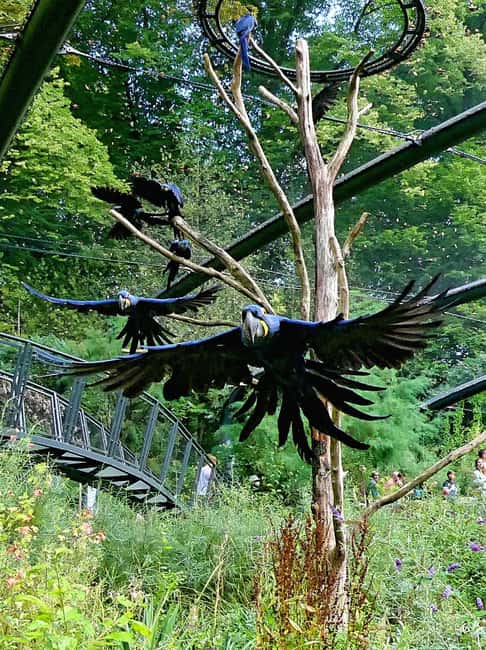
If you want one anchor stop that makes the whole day feel special, it’s Aralandia. This is a unique open-air aviary where you can experience macaws and sun parakeets flying over your head. Instead of only watching from one angle, you get motion across the space, which makes the viewing feel more alive.
Why this area is so satisfying: it’s built for flight behavior. That means you’re not just seeing a bird perched. You’re watching how it moves, how it navigates the enclosure, and where you should stand to catch the next pass.
To enjoy it more, plan to linger. If you rush through Aralandia, you miss the chance to see repeat fly-bys. And because it’s open-air, it can be cooler or warmer depending on the time of day—so go when it feels comfortable for you, not just when your calendar says you should.
Elephants and lions: Europe’s best breeding program plus a giant enclosure
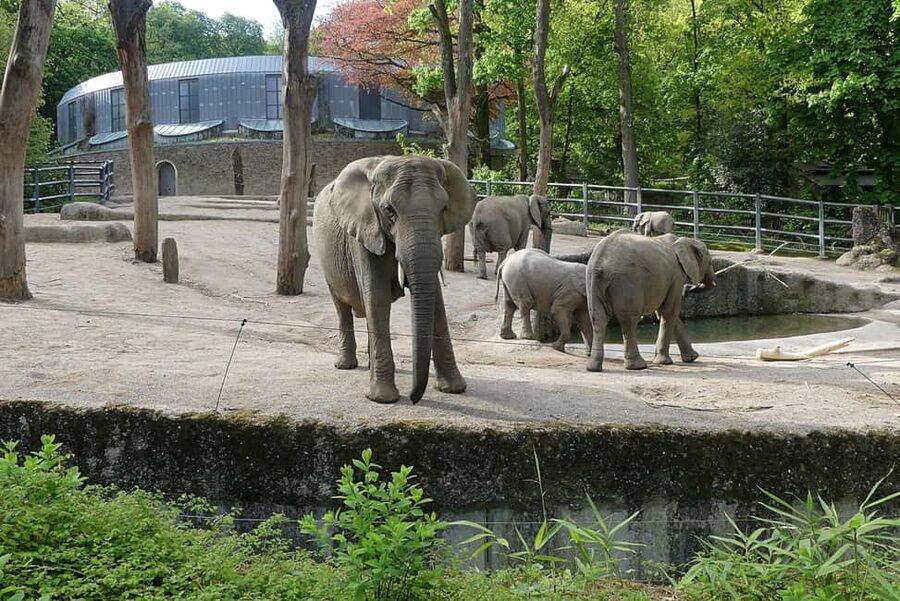
Two of the biggest “serious zoo” draws here are African elephants and African lions, and both tie into that welfare-focused layout.
The elephant story
Wuppertal Zoo has the most successful African elephant breeding program in Europe. That’s more than trivia. In practical terms, it suggests the zoo has experience with long-term care and management for elephants, not just seasonal exhibit changes.
What you’ll want from this stop is patient watching. Elephant behavior can be slow, so give yourself time to notice routine choices—where they rest, how they move, and how the herd uses space.
The lion enclosure
Next up: African lions in Europe’s largest lion enclosure. A larger space affects how lions behave in view. You typically get less of that cramped pacing you see in smaller enclosures, and more of the range you expect from a big carnivore area.
If you’re tempted to “power walk” past lions, don’t. This is the type of exhibit where a longer pause pays off, especially because you’ll likely get different viewing angles as the day progresses.
Penguin tunnel viewing: king and gentoo under acrylic glass

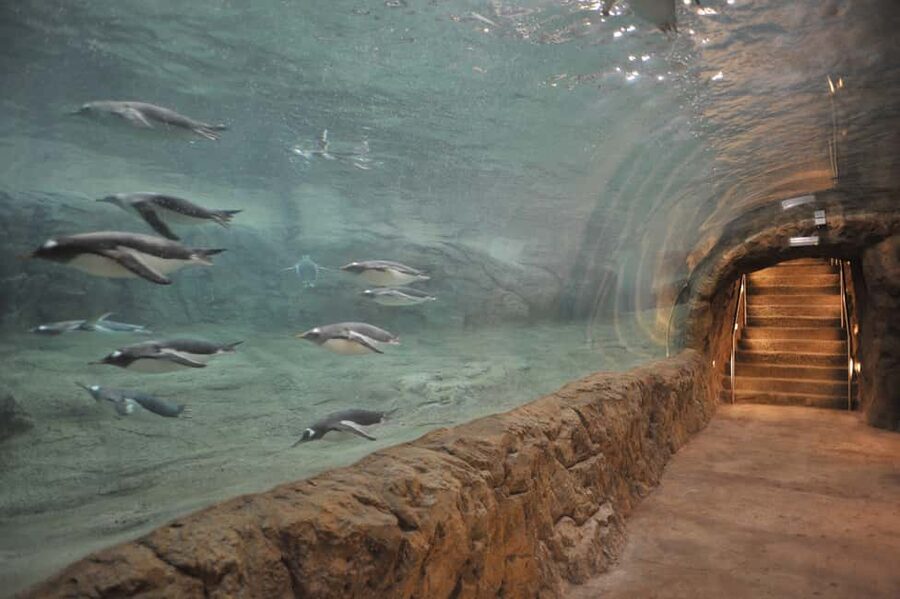
If your group includes anyone who loves strong visual setups, don’t skip the penguin viewing. You can watch king and gentoo penguins “flying” underwater through an acrylic glass tunnel.
This is one of those experiences where the architecture does the work for you. You’re not trying to find the perfect spot every time. The tunnel design keeps the viewing consistent, so you can focus on what matters: the penguins’ movement patterns and how they travel through the water.
To get the most out of it, aim to watch at a time when you’re not sprinting between exhibits. It’s the kind of attraction that rewards a calm minute-by-minute look.
Sea lions at the windows: watch their on-and-off swimming
California sea lions have a pool where they frolic, and you can see their underwater action through large windows. Instead of just seeing animals from far away, the window viewing makes it easy to spot when they head toward the glass and when they move away.
If you’re visiting with kids, this is a strong “interest reset.” It’s visually easy to track, and the windows make the experience feel interactive even when you’re not doing anything except watching.
Kula Kangri: red pandas and Mishmi takins in one stop
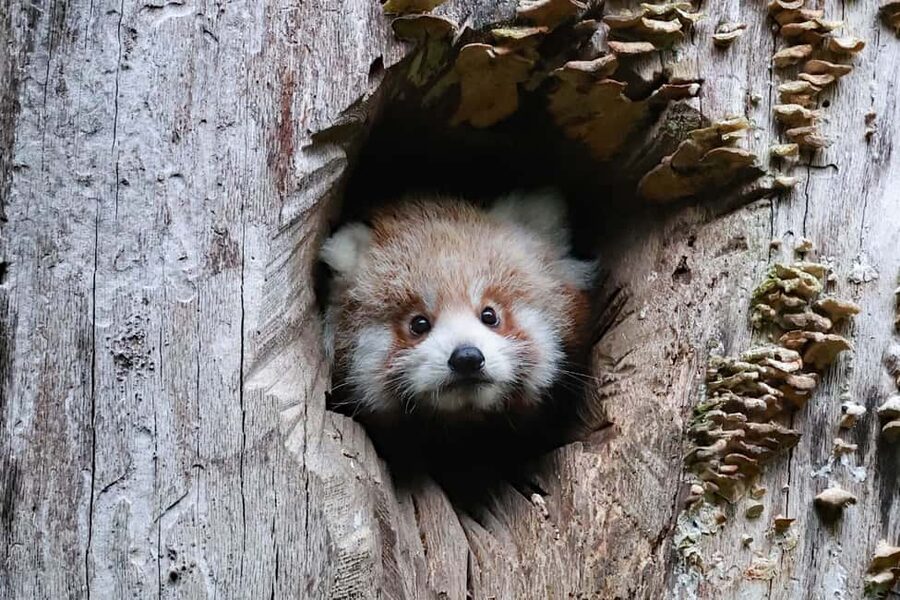
Kula Kangri is the zoo zone focused on red pandas and Mishmi takins. This kind of combined exhibit works well for a one-day plan because it lets you cover two special-interest species without switching locations too many times.
Red pandas are the obvious draw, but Mishmi takins can be a fun surprise if you don’t know much about them yet. The best strategy here is to slow down for both: red pandas often reward quiet patience, and takins may reveal more if you give them time to settle into their routine.
If you’re short on time, choose observation over rushing. A five-minute stop spent well beats ten minutes where you’re just moving on.
JuniorZoo: dwarf goats, hands-on fun, and playground breaks
For families, JuniorZoo can be the difference between a zoo day that feels exhausting and one that feels manageable. Here, littlest zoo guests can get stuck in or pet and play with the resident dwarf goats.
That hands-on option matters. It gives kids an experience that’s more active than standing and watching, and it helps reset attention spans when you’re doing long animal viewing stretches.
Kids of all ages can also let off steam in numerous playgrounds, including some that have been partly redesigned. And there’s a smart bonus: kids up to 14 years old get into the zoo for free.
Food, maps, and small extras that change your budget
You won’t go hungry, but you should plan for how food lines can work. There is one main restaurant, and it can get busy enough for a longer wait. There are also one or two kiosks, which help if you want something quick without committing to the main dining line.
A couple of details that affect your budget:
- A zoo map costs 50 cents
- A handcart costs 3.50 euros
- Food and drinks are not included with the ticket
My advice: if you’re good with a rough plan, you might skip the map. If you want to move efficiently on a hilly site and reduce backtracking, getting the map can be a small price to pay.
Also, because the zoo has lots of seating, you can build in snack breaks without losing the day to travel between exhibits.
Rules you should know before you show up
These rules help keep the day safe and calm for animals and people. Key ones to plan around:
- No drones
- Pets are not allowed (assistance dogs are allowed)
- No smoking indoors
- No bikes, skateboards, scooters, or skates
- No feeding animals
- No alcohol and drugs
- No fireworks or explosive substances
- No party groups, no making fire
- No unaccompanied minors
If you’re traveling with teenagers or a group that includes kids on wheels, it’s worth checking what they’ll bring before you get there. The “no scooters and skates” list is the kind of thing that can ruin a day if you discover it after arrival.
Who should visit Green Zoo Wuppertal
This is a great match for:
- Families with kids who want both serious exhibits and a real play zone (JuniorZoo + playgrounds)
- Zoo lovers who like modern animal welfare layouts and clear viewing angles
- Anyone who enjoys structured animal viewing, like the penguin acrylic tunnel
- Bird lovers who want an actual open-air aviary experience
It’s less ideal if:
- You strongly dislike walking hills and want mostly flat paths
- Your group needs fully predictable access across a mountainous site without any uncertainty
Should you book Green Zoo Wuppertal for a one-day zoo day?
I’d book it if you want a full day that includes both big animal highlights and family-friendly energy. The mix is strong: Aralandia’s flying parrots, elephants with a major breeding program, penguins viewed through an acrylic tunnel, and lions in a huge enclosure all make it feel like more than a standard pass to “see a few animals.”
I would hesitate only if your group struggles with steep terrain and you’re not confident about the paths. In that case, plan extra time, be realistic about what you can cover comfortably, and focus on the exhibits most important to you.
If you’re ready for a walking day with great viewing design, this is a solid, good-value way to spend one day in Wuppertal.
FAQ
What is the admission price for the Green Zoo Wuppertal?
The price listed is $22 per person.
How long should I plan for this visit?
This experience is valid for 1 day.
What are the opening hours in summer and when do animal houses close?
In summer, the zoo is open 9:00 am–6:00 pm, and animal houses close at 5:15 pm.
What opening hours apply in winter?
In winter, the zoo is open 9:00 am–5:00 pm, and animal houses close at 4:45 pm.
Is the zoo wheelchair accessible, and do you pay the same price?
The experience notes wheelchair optional access. Visitors with disabilities pay the regular admission price, and if the disability card is marked with B or H, the accompanying person gets in for free.
Can I bring a drone or pets?
Drones are not allowed. Pets are not allowed, but assistance dogs are allowed.
Is the ticket refundable if I cancel?
Yes. Free cancellation is available up to 24 hours in advance for a full refund.