REVIEW · PARIS
Paris: Ménagerie Zoo of Jardin des Plantes Entrance Ticket
Book on GetYourGuide →Operated by GetYourGuide Tours & Tickets GmbH · Bookable on GetYourGuide
Paris has a zoo you can feel.
The Ménagerie Zoo at Jardin des Plantes puts you close to animals while also walking you through the why behind modern conservation. I love how the zoo mixes iconic species with conservation messaging, and I also like the way the grounds teach through its planned visitor route and animal-care team. One thing to consider: if you’re visiting in winter, you may find many enclosures look quieter than you’d hope.
This is not a giant theme park.
You’re here for observation—plus architecture, education, and that sense of how animal care connects to ecosystems far beyond Paris. I’m especially glad that the experience highlights births and young animals in spring, and it points to breeding and reintroduction efforts you can connect to real species. The potential drawback is that not everyone comes away feeling the same way about enclosure size and condition, so it helps to go in ready to judge for yourself.
In This Review
- Key things to know before you go
- Jardin des Plantes: why this Paris zoo feels like a living classroom
- Getting your bearings: what a 1-day visit really means
- Meet the stars: Rothschild’s mynahs, golden lion tamarins, and Arabian oryx
- Springtime births: the short-tailed pademelon and Kirk’s dik-dik moments
- Conservation work you can connect to results
- The zoo’s architectural layers: Rotonde to Grande Volière
- What about animal welfare concerns? How to judge for yourself
- The 12-step biodiversity trail and keeper-style learning
- Price in perspective: is a $15 ticket worth it?
- Who should book this zoo ticket, and who should skip it
- Final call: should you book the Ménagerie Zoo at Jardin des Plantes?
- FAQ
- Where is the Ménagerie Zoo at Jardin des Plantes?
- How long is the visit?
- What does the ticket include?
- Is anything like meals included?
- Is the zoo wheelchair accessible?
- Are children ever free?
- Are disabled visitors eligible for free admission?
- What time is the last admission?
- Can I use my ticket for other places?
- What’s the cancellation and payment option?
Key things to know before you go

- One of the oldest zoos in the world (since 1794): history plus modern animal-care goals
- About 150 species: with nearly 40% facing extinction, the focus is clearly conservation
- Springtime newborns: a real wow moment when young animals are visible
- Iconic animals: Rothschild’s mynahs, golden lion tamarins, and Arabian oryx
- Conservation in action: successful breeding programs and reintroduction efforts
- Learn by doing: workshops, meet-the-keepers style moments, and a 12-step biodiversity trail
Jardin des Plantes: why this Paris zoo feels like a living classroom
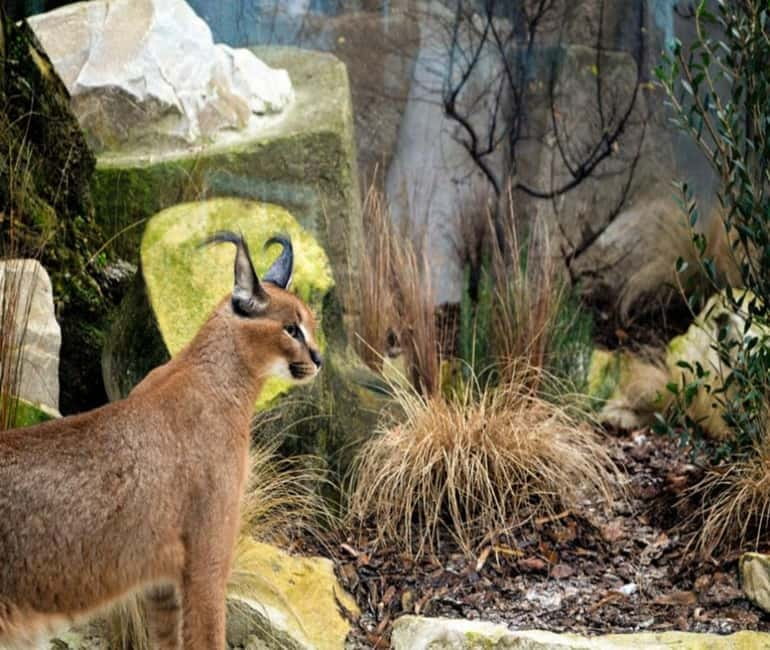
The Ménagerie Zoo sits inside the Jardin des Plantes area in Paris, and it has a different vibe than most zoos. It’s not built just for spectacle. It’s built for learning—about species, habitats, and what conservation can actually accomplish.
The zoo was established in 1794, so you’re walking through a site that has been thinking about animal care for a long time. But the emphasis today is very current: the zoo presents around 150 species, and nearly 40% of them face extinction. That blend matters for your visit. You’re not just checking boxes. You’re seeing how the zoo’s mission connects to species survival.
I also like that the zoo focuses on small to medium-sized animals in designed enclosures. That makes for a more intimate, watchable experience. In other words: you may feel closer to the action, rather than spending your day staring at far-off habitats.
Getting your bearings: what a 1-day visit really means
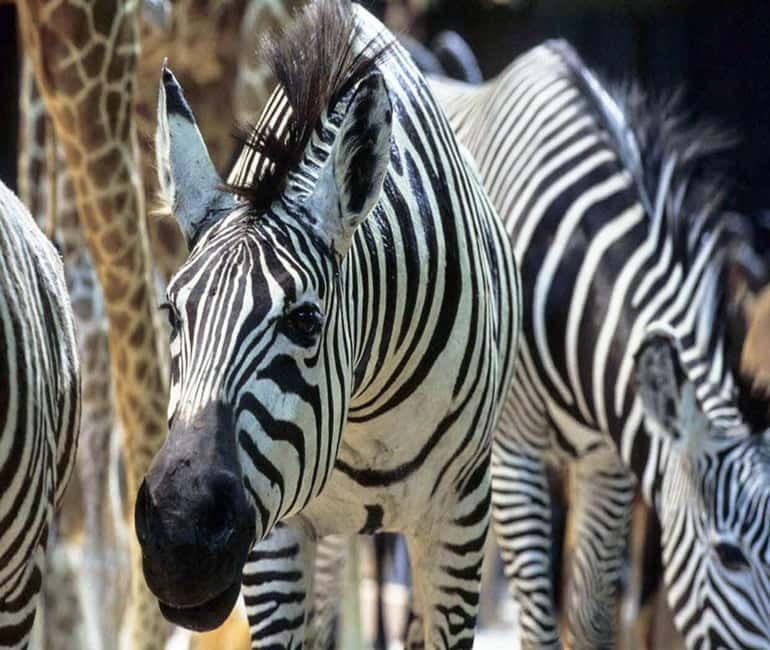
This ticket is for a 1-day visit, so you’ll get one chance to move at your own pace and catch what’s running on-site. There’s no requirement to rush through. The layout is designed for wandering between encounters and learning points.
Plan to start with the animals that grab you most—then circle back for the architectural highlights and the educational parts. The zoo also has a last admission one hour before closing, so if you’re hoping to see everything, don’t “save it for later” (later has a habit of arriving late).
Getting there is straightforward. Use the public transit options that put you near Jardin des Plantes:
- Bus: lines 24, 57, 61, 63, 67, 89, and 91
- Batobus: Jardin des Plantes stop
- Metro/RER: Line 5 (Gare d’Austerlitz), Line 7 (Censier Daubenton), Line 10 (Jussieu or Gare d’Austerlitz), RER C (Gare d’Austerlitz)
- Train: Gare d’Austerlitz and Gare de Lyon
If you like to feel organized, give yourself enough time for a slow first pass. Then add the conservation-focused stops once you’ve found your rhythm.
Meet the stars: Rothschild’s mynahs, golden lion tamarins, and Arabian oryx
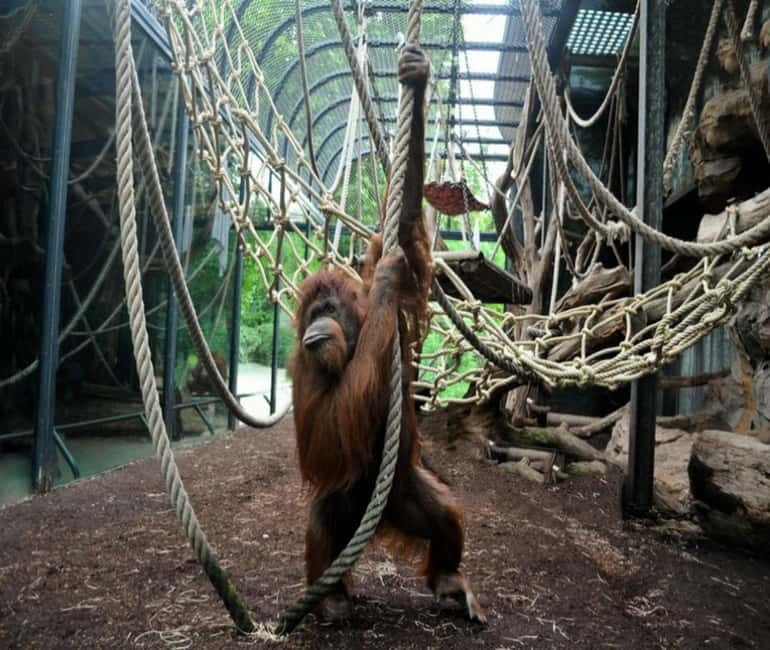
The animal lineup is a big reason this ticket earns attention. You’re promised iconic species, and the highlights aren’t just “pretty animals.” They’re chosen so you can connect each species to conservation realities.
Here are a few you can look for as you walk:
- Rothschild’s mynahs: striking plumage and a chance to observe a recognizable, standout bird
- Golden lion tamarins: small, active primates tied to real breeding and recovery efforts
- Arabian oryx: a major conservation success story through breeding and reintroduction
- Short-tailed pademelons and Kirk’s dik-diks: examples of the zoo’s broad mix of species beyond the usual mammals and birds
What I like about this is how the zoo balances “wow” with learning. You see the animal first, then you get the context for why that animal matters.
Also, because the zoo is built around smaller and mid-sized enclosures, you’ll often have better chances to notice behavior—movement, feeding, social interactions—rather than only glimpsing a silhouette.
Springtime births: the short-tailed pademelon and Kirk’s dik-dik moments
If you can time your visit for spring, do it. The zoo specifically points to springtime births, and that changes the whole feeling of the visit.
Seeing newborn animals turns a zoo from a viewing experience into something closer to a living story. You’re not just watching adults. You’re watching the next generation arrive—exactly the kind of moment that makes conservation feel concrete rather than abstract.
You might encounter young animals like:
- Short-tailed pademelons
- Kirk’s dik-diks
Even if your visit isn’t in spring, keep your expectations flexible. One caution I’d pass along: winter can mean a quieter experience, and some enclosures may feel less active. That doesn’t make the visit “bad.” It just means you may get more education stops and fewer active moments in front of the glass.
Conservation work you can connect to results
This is the zoo’s core message, and it’s not just posted on signs. The zoo highlights conservation through successful breeding programs and reintroduction efforts.
The species used for these stories aren’t random. Two clear examples mentioned are:
- Arabian oryx (linked to breeding and reintroduction)
- Golden lion tamarin (linked to successful breeding efforts)
For you, that’s valuable because it changes how you interpret what you’re seeing. A breeding program isn’t just animal management. It’s a strategy designed to support species survival. When you understand that, the time you spend watching feeding or social behavior feels more meaningful.
You’ll also notice the zoo’s staff presence in the educational style. The experience mentions caretakers including veterinarians and ethologists, which matters because it signals animal care and behavior studies—not just basic feeding and cleaning.
The zoo’s architectural layers: Rotonde to Grande Volière
One of my favorite surprises in this kind of historic site is that the buildings are part of the story. Here, the zoo’s architecture includes early 19th-century structures that help you understand how zoos used to be designed—and how that design still shapes visitor movement.
As you explore, look out for major structures such as:
- Rotonde
- Grande Volière
Even if you don’t consider yourself an architecture person, it’s worth paying attention. These structures explain why some exhibits feel airy, others feel enclosed, and how pathways guide you from one animal experience to the next. In a place like this, design isn’t background. It’s part of how you experience the animals.
And because the zoo is inside Jardin des Plantes, this also connects the visit to the larger scientific and educational feel of the area.
What about animal welfare concerns? How to judge for yourself
Let’s talk honestly. Some people have raised worries about animal welfare—things like enclosure wear, cage size, and the fairness of space for certain animals.
I can’t confirm what any individual cage looks like on a specific day from here. But I can tell you how to approach this in a responsible way:
- Spend a few extra minutes in front of enclosures rather than rushing past.
- Pay attention to whether animals appear healthy, active, and able to engage in normal behavior.
- Notice your comfort level. If you feel upset by what you see, your priorities matter more than completing a checklist.
- If you’re visiting expecting a spotless, “perfect” modern zoo, you might be surprised. This site is historic and has older structures, even as it operates with conservation goals.
A zoo visit is always a personal decision. Your eyes and your values should lead.
The 12-step biodiversity trail and keeper-style learning
This isn’t only about looking. The experience includes learning moments designed to keep your attention from turning into autopilot.
You can take part in:
- Workshops
- Meet the keepers style opportunities
- A 12-step biodiversity trail that focuses on local wildlife and conservation practices
That last part is important. It’s easy to leave a zoo thinking conservation is only about faraway places. A trail that connects to local biodiversity helps you bring the ideas home to your own city and environment.
If you enjoy museum-like learning but don’t want to sit still all day, this works well. You can pair animal time with short learning stops, then return to the animals with a clearer idea of what you’re noticing.
Price in perspective: is a $15 ticket worth it?
A ticket listed at $15 per person for a one-day visit is usually a reasonable value for a site like this, especially because you’re not only paying for animals. You’re paying for conservation education, historic site context, and opportunities to engage with staff and learning activities.
Here’s how I’d frame the value for you:
- You’re getting around 150 species and a conservation-oriented message tied to real breeding and reintroduction stories.
- You get a chance to see newborns in spring, which can be the kind of “only happens now” moment that makes the whole day feel different.
- The architecture and biodiversity learning trail add extra layers beyond just walking exhibit to exhibit.
The main “cost” isn’t money. It’s time and attention. If you show up with the mindset of quick photo stops, you may feel underwhelmed for the effort. If you show up ready to watch closely and do the learning parts, you’ll likely feel it was worth every stop.
Who should book this zoo ticket, and who should skip it
This is a great fit if you:
- Like conservation stories with named species and clear outcomes
- Enjoy historic sites and the sense of walking through old institutions with modern goals
- Want a quieter zoo experience focused on learning, not just crowds
It may not be your best match if you:
- Only want the most active exhibits all day (season matters, and winter can feel slower)
- Strongly prefer brand-new, ultra-modern enclosures and can’t handle older structures
- Are visiting mainly for variety at a fast pace rather than close observation and learning
Final call: should you book the Ménagerie Zoo at Jardin des Plantes?
If you want a Paris zoo visit that’s more than animal spotting, I think booking makes sense. The combination of one of the oldest zoos in the world, conservation-focused programming, and the chance to see species like Rothschild’s mynahs, golden lion tamarins, and Arabian oryx gives you real reasons to spend your day here.
My advice: go with clear expectations. If spring is possible, aim for it to maximize the chance of newborn animal moments. If you’re coming in winter, don’t assume every enclosure will feel equally lively. And if animal welfare concerns are a dealbreaker for you, slow down at each exhibit and trust what you see.
Overall, this ticket is a strong value for travelers who like thoughtful zoos—where history, learning, and conservation all sit in the same pathways.
FAQ
Where is the Ménagerie Zoo at Jardin des Plantes?
It’s in the Jardin des Plantes area in Paris. You can reach it by bus (lines 24, 57, 61, 63, 67, 89, 91), Batobus at the Jardin des Plantes stop, metro/RER (Line 5 Gare d’Austerlitz, Line 7 Censier Daubenton, Line 10 Jussieu or Gare d’Austerlitz, RER C Gare d’Austerlitz), and by train (Gare d’Austerlitz and Gare de Lyon).
How long is the visit?
Your ticket is valid for 1 day.
What does the ticket include?
The entrance ticket to the Ménagerie Zoo at Jardin des Plantes is included.
Is anything like meals included?
No. Meals and beverages are not included.
Is the zoo wheelchair accessible?
Yes, the experience is listed as wheelchair accessible.
Are children ever free?
Yes. Children under 3 have free admission, and tickets can be collected at the ticket desk.
Are disabled visitors eligible for free admission?
Yes. Free admission is available for disabled visitors and their attendant if you have justification issued by les Maisons Départementales des Personnes Handicapées (MDPH).
What time is the last admission?
Last admission is 1 hour before closing.
Can I use my ticket for other places?
For full-price ticket holders, the ticket can be used for up to three months at Jardin des Plantes, Musée de l’Homme, or Parc Zoologique de Paris.
What’s the cancellation and payment option?
There is free cancellation up to 24 hours in advance for a full refund, and there’s an option to reserve now & pay later.