REVIEW · SYDNEY
Sydney Zoo General Entry Admission Ticket
Book on Viator →Operated by Sydney Zoo · Bookable on Viator
Sydney Zoo is a full-day style visit, even if you have just 2 hours. You’ll get access to a big 4,000+ species collection, and I like the way the habitats are set up to keep you moving through different regions. The biggest watch-out is that with so many areas, it’s easy to wander too long and not see everything you wanted.
What surprised me most is how practical it feels for families. You’ll find plenty of places to sit down and grab a bite, and the atmosphere works well when school groups are there with kids’ programs. One consideration: the visit can stretch from 1 to 6 hours, so plan your timing if you’re also fitting in other Sydney stops.
In This Review
- Key highlights at a glance
- General Entry at Sydney Zoo: what you’re really paying for
- Entry time, duration, and using your mobile ticket
- African Boardwalk: savannah scenes and mixed-species viewing
- Primate Boulevard and south-east Asia animals: a quick comparison route
- Bungarribee Dreaming: learning First Nation culture on-site
- Australia open-range habitat: kangaroos and wallabies on the paths
- Family-friendly design: seating, snacks, and kid-focused pacing
- Accessibility and walking comfort: no hills or steps
- Price and value for a 1 to 6 hour zoo-and-aquarium day
- How to pace your visit without missing the best parts
- Should you book Sydney Zoo general entry?
- FAQ
- What is included with Sydney Zoo general entry?
- How much does the ticket cost?
- How long does the visit take?
- What time does the visit start?
- Is parking included?
- Is the ticket mobile?
- Is it near public transportation?
- Is the experience accessible?
- Can I cancel for free?
- How many animals/species can I expect to see?
Key highlights at a glance
- Free parking with entry takes the stress out of your day.
- Mobile ticket makes check-in simple.
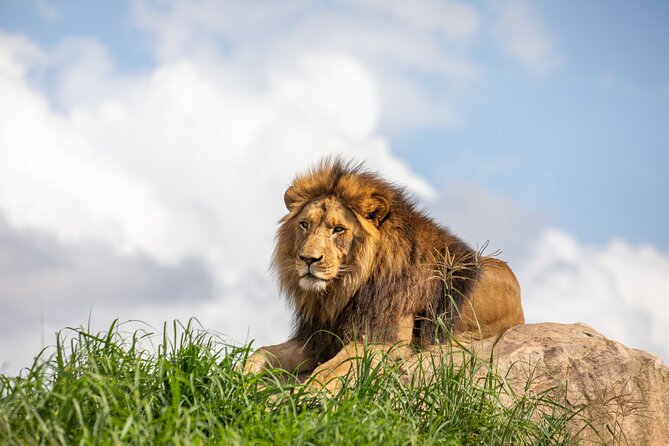
- African Boardwalk brings savannah-style mixed habitats to life.
- Primate Boulevard and south-east Asia animals help you compare regions quickly.
- Bungarribee Dreaming is your on-site First Nation culture learning point.
- Australia open-range lets kangaroos and wallabies hop around pathways.
General Entry at Sydney Zoo: what you’re really paying for
Sydney Zoo general entry is priced at $43.03 per person, and the value comes from one simple thing: you’re not buying a tight, scripted experience. You’re buying flexible access to a large, multi-zone zoo-and-aquarium site in Sydney.
That flexibility matters. If you’re traveling with kids, you’ll want time to stop, snack, and reset without feeling guilty. If you’re traveling solo or as a couple, you might want to linger longer at one area that hits your interest—say primates or the open-range Australia habitat—without rushing to the next checkpoint. General entry fits that style.
Also, remember this is the only combined zoo and aquarium in NSW, which can help if your group has mixed interests. You’re not forcing everyone to choose one lane.
Entry time, duration, and using your mobile ticket
Your visit window is wide: expect 1 to 6 hours. That’s not vague fluff—it reflects how you can pace your day depending on energy level, walking comfort, and how much you want to read/stop at exhibits.
Starting at 9:00 am is a good target if you like cooler morning temperatures and you want a longer day without feeling rushed. And because you’ll have a mobile ticket, you can keep everything in your phone rather than hunting for paper.
The site is described as being near public transportation, which is useful if you’re trying to avoid parking hassles. Add in the fact that parking is free with your entry, and you have two easy options: drive and park without a fee, or arrive by transit.
African Boardwalk: savannah scenes and mixed-species viewing
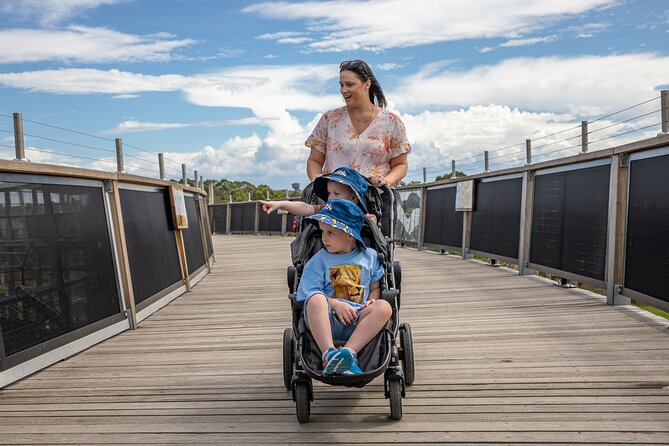
One of the standout areas is the African Boardwalk. This is where you’ll get a feel for savannah life through mixed-species habitat design—so you’re not just looking at one animal in isolation. The whole idea is to create scenes from the savannah, which makes it easier to understand how animals share space and environments.
I like zones like this because they help you slow down naturally. Instead of sprinting between isolated enclosures, you can walk the boardwalk-style path and take in the scene as a whole. It also gives kids a simpler mission: follow the boardwalk, look for animals, and then repeat.
Possible drawback: if you’re the type who loves only a few specific animals, boardwalk-style “region storytelling” can feel like a lot of walking before you see your favorites. Still, it’s a strong start to orient yourself to the zoo’s regional layout.
Primate Boulevard and south-east Asia animals: a quick comparison route

Next, you’ll move into the leafy Primate Boulevard, which focuses on primates. After that, the route continues toward animals from south-east Asia, so you can compare two big regions with different animal types without doing a major detour.
This layout is practical for planning your attention. If you’re traveling with a group, primate areas often make everyone happy because they’re usually visually active, and you can usually find something to watch even if you arrive at a slower time of day.
Here’s a small but real tip: when you enter a new “boulevard” or themed stretch, spend 2–3 minutes scanning for the best viewing spots before you commit to a direction. That simple step helps you avoid backtracking later, especially if the animals are calmer at certain times.
A consideration: like all zoos, animal visibility can vary. The habitat and region design helps regardless, but you’ll still want to expect some viewing time where nothing much seems to happen—then suddenly, something does.
Bungarribee Dreaming: learning First Nation culture on-site
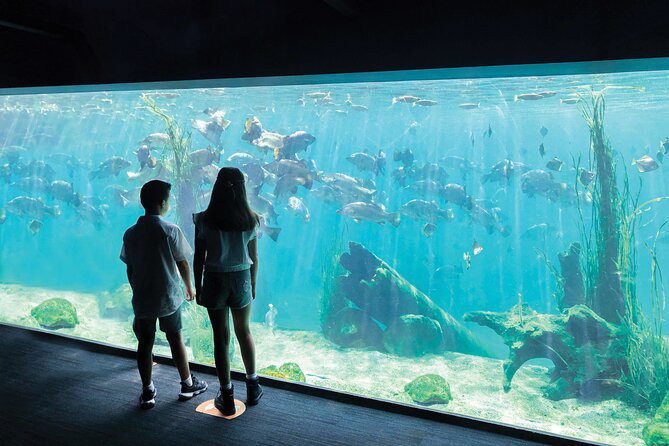
Bungarribee Zoo includes a Bungarribee Dreaming component designed to teach about First Nation culture. If your group cares about context—not just animals—this is a big reason to choose Sydney Zoo over a basic walk-through.
What I appreciate here is that the cultural learning isn’t tacked on as a quick sign at the edge of a pathway. The experience is framed as part of your visit, positioned alongside the animal regions. That matters because it gives you a chance to connect the theme of place and knowledge rather than treating the visit as only entertainment.
Practical advice: keep your phone handy for notes, but don’t treat the information as something to speed-read. If you’re traveling with kids, this is often the part where you’ll want shorter attention bursts—check in, ask one question, then move back to the animals. It keeps the whole day from turning into pure lectures.
Australia open-range habitat: kangaroos and wallabies on the paths
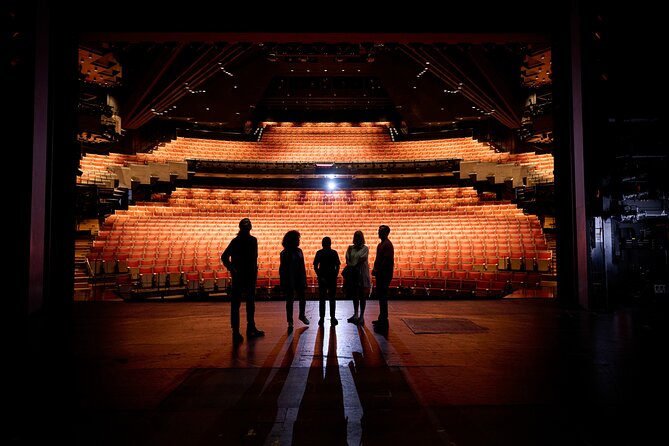
The Australia open-range habitat is the area most people picture when they think of a zoo visit in Australia. Here, kangaroos and wallabies hop freely around meandering pathways, which means you’re watching animals in a more open, roaming-style setting than the enclosed feel you might expect elsewhere.
I like open-range areas because they change the relationship between you and the animal. Instead of only looking into a habitat, you’re moving through the same space conceptually. That makes it easier to get memorable moments—especially for families—because kids can spot movement from a distance and call out what they see.
One consideration: because these areas are open and animals roam near pathways, keep an easy pace. If you’re trying to rush from exhibit to exhibit, you’ll miss the slow magic—animals often reveal themselves gradually.
Family-friendly design: seating, snacks, and kid-focused pacing
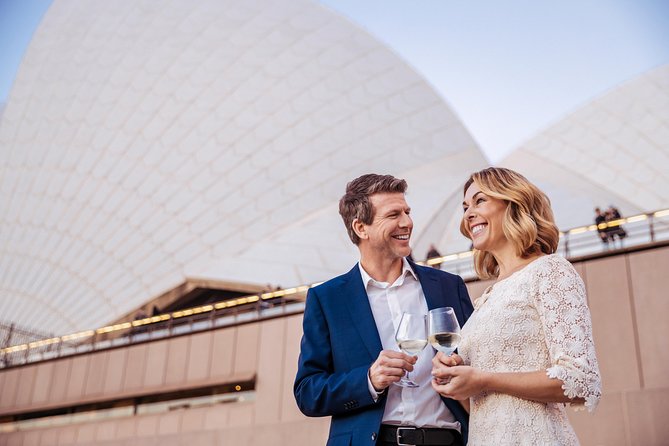
This is where the experience has a clear edge. The feedback I’d pay attention to isn’t just about animals—it’s about how comfortable the day feels when you’re with kids. The site is described as very family oriented, and there are plenty of areas to sit down and a place to have a bite to eat or meet up with your group.
That seating detail is huge. On a zoo day, it’s not the big attractions that make or break the outing—it’s whether you can regroup when someone’s tired or you need a quick reset. Sydney Zoo’s design supports that rhythm.
Also, there are schools with programs for the kids, which can add structure and energy. If you like seeing kid-friendly activity rather than quiet, empty exhibits, this can make the day feel more alive.
Practical tip: don’t schedule your day too tightly. Use the sitting areas not as a failure point, but as part of the plan. Take a snack break before the crankiness hits, not after.
Accessibility and walking comfort: no hills or steps
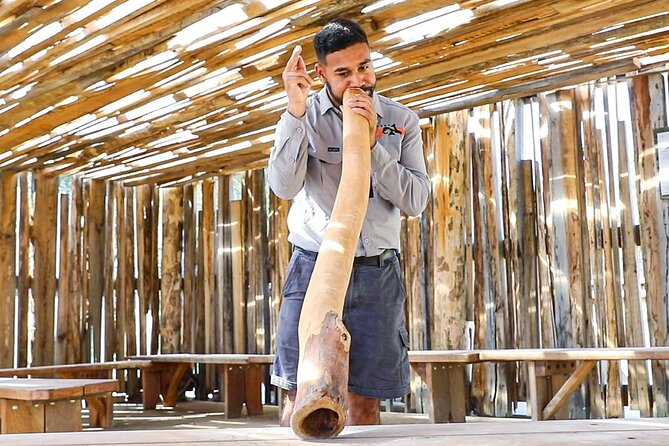
Sydney Zoo is built with visitors in mind: it has no hills or steps, which is a big deal for strollers, mobility needs, and anyone who doesn’t want to constantly manage stairs and steep grades.
Even if you don’t think of yourself as someone who needs accessibility features, this kind of layout changes the experience. Less strain means more time watching animals instead of stopping to recover from the walking.
One note: “no hills or steps” helps comfort a lot, but you’ll still likely walk between zones. Bring water and wear shoes that handle zoo pathways well, because comfort isn’t just about stairs—it’s also about long time on your feet.
Price and value for a 1 to 6 hour zoo-and-aquarium day
At $43.03 per person, the ticket price makes sense when you consider what you’re actually getting: a broad zoo visit plus access to a site that’s also an aquarium, with multiple animal regions built into the layout. You’re not paying for a short show; you’re paying for flexible time with a lot to see.
The value improves further because parking is free with entry. For people coming by car, that removes a common surprise cost that can turn a “reasonable” attraction price into an expensive day.
How to decide if the value fits you:
- If you want a day with lots of possible stops and you don’t mind walking, it’s a strong pick.
- If you only plan to spend an hour or two, you’ll still likely enjoy it, but you may feel like you raced through the highlights.
- If your group is family-focused and likes breaks, the site’s design helps you stretch the visit in a comfortable way.
How to pace your visit without missing the best parts
Because the experience can run 1 to 6 hours, your plan should be about flow, not checklist perfection. Here’s a simple approach that works with the way the zoo is organized:
Start with African Boardwalk for the regional scene-setting, then head to Primate Boulevard and continue into the south-east Asia area. After that, shift your pace toward Bungarribee Dreaming for cultural learning before finishing with Australia open-range for the most “home-country” animal feel.
If you’re traveling with kids, this order can help because it mixes different types of attention: scenery and animals, then primate focus, then culture learning, then a roaming-style finale. That’s a good way to reduce the chance everyone’s energy collapses before you reach the kangaroos and wallabies.
Should you book Sydney Zoo general entry?
Book it if you want an easy, flexible general entry zoo day with a strong family setup—plus the chance to experience different world regions in one visit. It’s especially worth it if your group includes kids, because the park-friendly layout with seating and snack stops makes the day feel manageable.
Skip it—or at least rethink your timing—if you only want one or two specific animals and hate walking around for long periods. With so many zones, you’ll want at least a moderate commitment of time.
Bottom line: for a 1 to 6 hour visit in Sydney that includes regional habitat design, cultural learning through Bungarribee Dreaming, and an open-range finale with kangaroos and wallabies, this is a solid choice that doesn’t try to force you into a rushed schedule.
FAQ
What is included with Sydney Zoo general entry?
General entry includes admission to Sydney Zoo (including the combined zoo-and-aquarium experience). Your ticket is a mobile ticket.
How much does the ticket cost?
The price is $43.03 per person.
How long does the visit take?
The duration is listed as about 1 to 6 hours.
What time does the visit start?
The start time is 9:00 am.
Is parking included?
Yes. Parking is free with your entry.
Is the ticket mobile?
Yes. The ticket is provided as a mobile ticket.
Is it near public transportation?
Yes, it’s described as being near public transportation.
Is the experience accessible?
Sydney Zoo is described as having no hills or steps, and it’s built to be accessible for all visitors.
Can I cancel for free?
Yes. Free cancellation is available up to 24 hours in advance for a full refund.
How many animals/species can I expect to see?
The experience highlights over 4,000 impressive and endangered species.
You Might Also Enjoy


More Tour Reviews in Sydney
- Blue Mountains Small-Group Tour from Sydney with Scenic World,Sydney Zoo & Ferry
★ 5.0 · 3,709 reviews