REVIEW · BURNIE
Wings Wildlife Park Burnie Shore Excursion
Book on GetYourGuide →Operated by eGuide · Bookable on GetYourGuide
Kangaroos and Tasmanian devils, close up. Wings Wildlife Park in Burnie is the kind of stop that packs 100+ species into a 3-hour visit, with safe feeding and handler-led encounters that make the animals feel real, not just seen.
I especially like the park’s conservation focus. Wings runs breeding programs for endangered species, and it also works as an education hub for schools and groups, so your visit connects to something bigger than a photo stop.
One possible consideration: the shuttle ride to the park can feel long, and one booking notes there was no commentary en route. If you want stories about Burnie’s countryside on the way, don’t count on it.
In This Review
- Key things to know before you go
- Wings Wildlife Park in Burnie: what this 3-hour stop really delivers
- Cruise timing and meeting point: getting off in Burnie without stress
- Your visit flow at Wings: admissions, encounters, and guided pacing
- Wildlife presentations and safe feeding: the part you’ll remember
- Gardens, picnic spots, and where to rest your legs
- Conservation breeding programs: what you’re supporting by visiting
- Price and value: is $92 worth it on a cruise day?
- Who this is best for (and who might want a different plan)
- Should you book Wings Wildlife Park in Burnie?
- FAQ
- How long is the Wings Wildlife Park Burnie shore excursion?
- What does the price include?
- Where do I meet for the excursion in Burnie?
- What wildlife can I expect to see?
- Are there interactive presentations during the visit?
- Does this experience focus on conservation?
- Is the tour wheelchair accessible?
- What language is the host or greeter?
- Is there a cancellation policy?
Key things to know before you go
- 100+ native and exotic species in one compact, cruise-friendly outing
- Daily wildlife presentations with skilled handlers and safe interaction
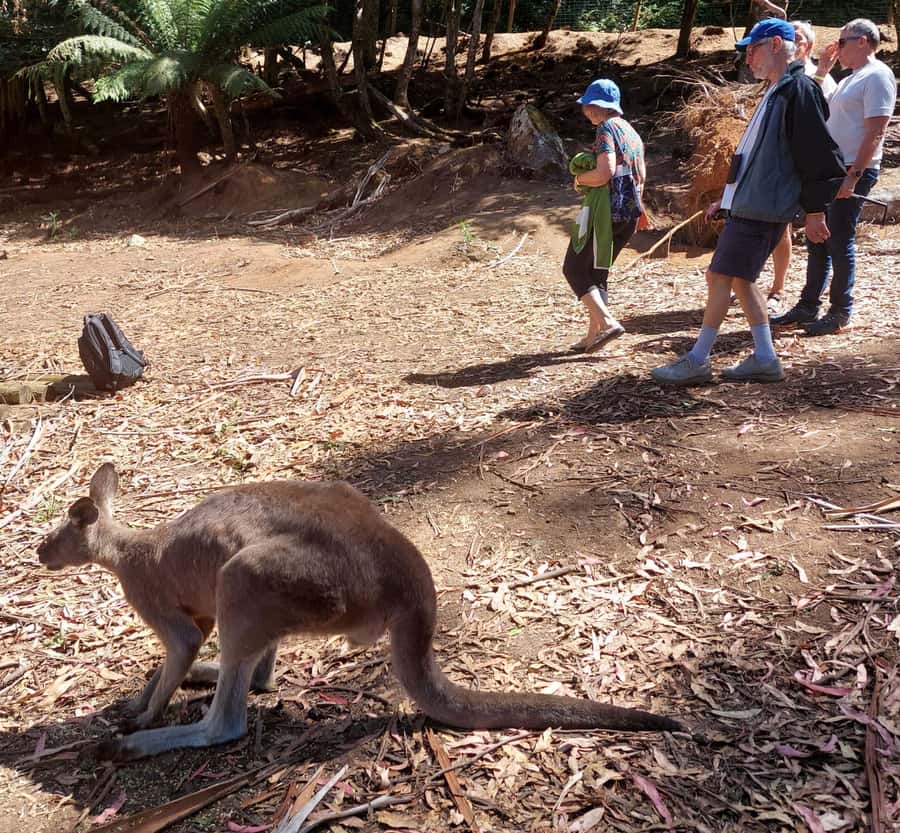
- Top Tasmanian icons on site like kangaroos, Tasmanian devils, wombats, and koalas
- Garden paths plus picnic areas for a calmer pace between encounters
- Conservation breeding programs tied to endangered species and education
Wings Wildlife Park in Burnie: what this 3-hour stop really delivers
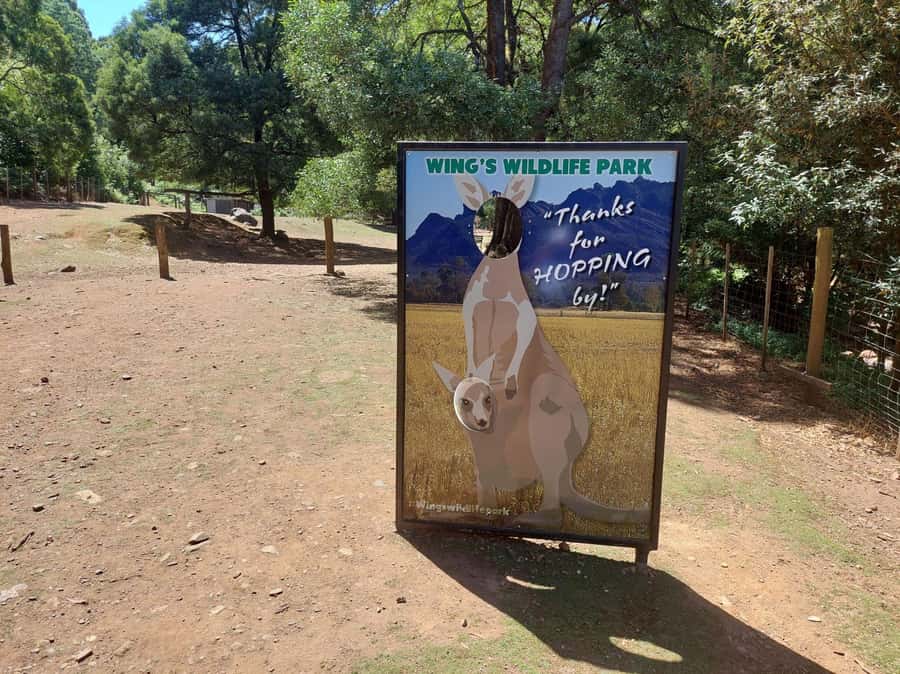
If you’ve got a cruise day in Burnie, you usually want two things: clear timing and an experience that feels worth the effort. Wings Wildlife Park is built for that. The big idea is simple: you get close to Tasmanian wildlife and learn what makes it unique, without needing a whole day of planning.
The park’s scale helps. With over 100 native and exotic species, you won’t be stuck just waiting to see one animal. You can hop between encounters and presentations, then take a breather in the gardens. It’s a format that works well when you’re short on time and you don’t want to gamble on how much you’ll actually see.
Also, this is one of those places where interaction matters. The encounters and daily presentations are designed around knowledgeable handlers who safely guide you through what to do and what to expect. One bonus you’ll hear about in guide feedback is that some hosts, like Mark, bring a friendly, knowledgeable style to the day, including local context.
Cruise timing and meeting point: getting off in Burnie without stress
Logistics are where shore excursions can make or break the day, and this one is clearly aimed at cruise passengers arriving into Burnie. You start at the Burnie Attractions Desk in the Makers Market. This is where you get off the shuttle bus that brings you from the cruise ship.
That matters because it cuts down on the usual anxiety of, Where do I go now? You’re not left hunting across town. You’ve got a specific meeting spot in a place designed for visitors.
Because the excursion is about 3 hours, timing is tighter than a land-based day trip. You should plan to be ready when your group is called, and keep your essentials easy to reach: hat, sunscreen, water, and closed-toe shoes. (Wings is a wildlife and garden setting, so you’ll want traction and comfort for walking between areas.)
Your visit flow at Wings: admissions, encounters, and guided pacing
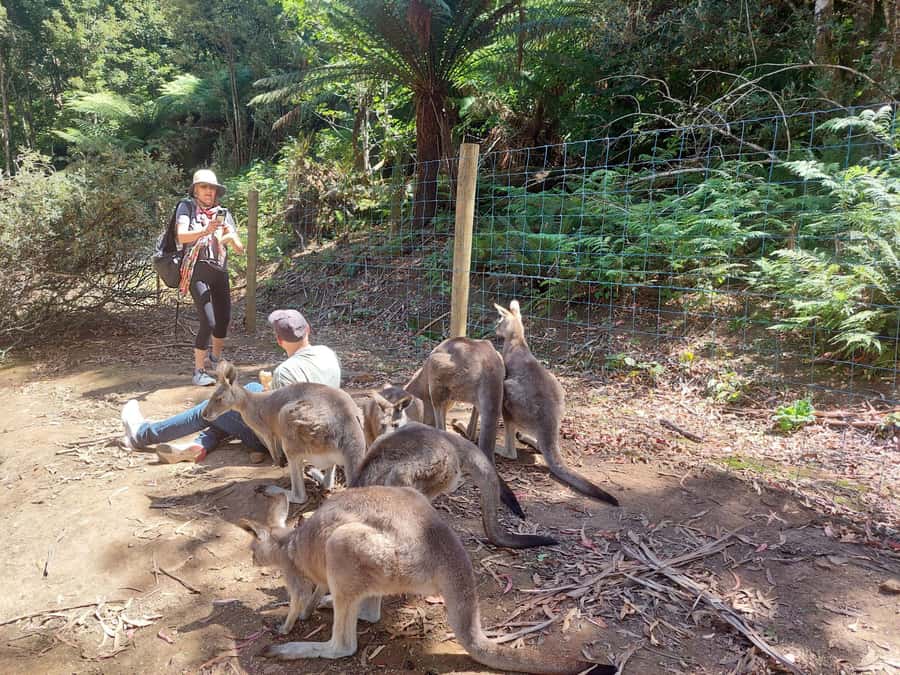
Admission is included, so once you’re inside, you can focus on the experience instead of ticket math. From there, the day typically follows a simple rhythm: get oriented, move through the park’s animal areas, then catch interactive moments like presentations and guided wildlife encounters.
Here’s what that means for you in practice:
1) Animal viewing and encounters
You’ll have access to wildlife areas where you can see animals up close. Wings includes species such as kangaroos, Tasmanian devils, wombats, and koalas, alongside other native and exotic animals. The value isn’t just spotting them; it’s learning about their behavior and habitats in plain language from handlers.
2) Guided moments that keep the time efficient
Since you only have around 3 hours, you’ll benefit from not trying to self-navigate everything. Guided tours and wildlife encounters help you hit the key areas without wandering too far or missing the best timing for presentations.
3) A chance to slow down in the gardens
Between animal moments, you can walk winding paths through landscaped areas with native and exotic plants. It’s a nice reset for your brain, especially after the more active presentation times. If you’re traveling with kids, this is also where you can breathe without losing the plot.
If you’re the type who likes a quick plan, this flow works. If you prefer drifting at your own pace, you still get enough freedom, but you’ll want to stay close to the group schedule so you don’t run out of time.
Wildlife presentations and safe feeding: the part you’ll remember
This excursion’s best skill is turning wildlife into an interactive experience. Wings runs daily presentations, and they’re designed to be both entertaining and educational. Skilled handlers explain what you’re looking at and then guide you through safe ways to interact or observe up close.
Why this matters: many wildlife experiences are “look but don’t touch.” Here, the interaction is the point, done responsibly. You get a sense of the animals as living creatures, not just exhibits.
You’re also more likely to leave with actual understanding, not just a list of species. The presentations focus on behavior and habitat—how the animals live, what they need, and what you can do to support conservation back home. When a place builds the day around handlers explaining what matters, your photos get better too. You start noticing details.
One small practical note: because you’re in a hands-on environment, wear clothes you don’t mind getting a little dusty. Bring a light layer if it’s cool, and keep your phone secured when you’re near feeding or animal interaction areas.
Gardens, picnic spots, and where to rest your legs
Not every wildlife park gives you pleasant walking scenery, but Wings does. You’ll find winding paths through beautifully landscaped gardens with native and exotic plants. It’s not just decoration. The gardens help set the tone: you’re moving through outdoor spaces that fit the conservation and education mission.
There are also picnic areas, which is where this experience can feel surprisingly comfortable. Even on a short excursion day, having a place to sit and reset can make the whole thing more enjoyable. If you’re traveling with families, these breaks help keep energy levels up between presentations and encounters.
And if the word “park” makes you think you’ll be walking nonstop, remember this: the overall visit fits into a 3-hour window, so you’re not signing up for a marathon. One booking described the park as small, but in a positive way. In practical terms, that can be good. You get a focused visit without the stress of covering a huge distance.
Conservation breeding programs: what you’re supporting by visiting
This is the part I always check for when I’m deciding on a wildlife attraction: does it connect to conservation beyond selling souvenirs?
At Wings Wildlife Park, it does. The park engages in breeding programs for endangered species, which supports preservation of Australia’s unique biodiversity. You’ll also see the education side of the mission through its work with schools and groups.
Why that’s valuable for you: it changes how your visit feels. Instead of thinking you’re just consuming a wildlife experience, you can feel good that your admission supports programs tied to long-term outcomes—especially when it involves endangered species.
It also affects how the park communicates. When a place has a conservation mission, the presentations tend to emphasize behavior, habitat, and protection. That’s the difference between simply seeing animals and learning what keeps them safe.
Price and value: is $92 worth it on a cruise day?

The price is $92 per person for a 3-hour shore excursion. On paper, that can sound steep if you’re comparing it to a random afternoon activity. But the value comes from three practical things you get for that cost:
- Admission is included
You’re not paying extra once you’re at the gate. That’s one of the biggest money-savers for cruise passengers, who often end up paying multiple fees when tours are self-arranged.
- It’s designed for cruise timing
The experience is set up to work for passengers arriving into Burnie. That usually means less “will we make it back to the ship?” stress, and more structured time to see what matters.
- You get guided, interactive animal time
A wildlife park ticket alone can be hit-or-miss if you don’t know what to look for. Here, the presentations and handler-led encounters help you see more and understand more in less time.
Could it be better? Sure, if you’re the type who wants a full-day deep exploration. But for a cruise stop, this is priced like a focused, guided highlight. And given the emphasis on interaction and learning, it often lands in the sweet spot for families and animal lovers.
If you’re trying to decide, think of it this way: you’re paying for a short, efficient day with entry included and real staff guidance—not just a walk through enclosures.
Who this is best for (and who might want a different plan)
This excursion fits best if you want wildlife without the hassle of planning. It’s also great when you’re traveling with kids, because interactive presentations and safe animal interaction are built into the format.
You’ll also like Wings if you care about learning. The experience is geared toward education, with conservation messaging and explanations of habitats and behavior.
Where it may not fit as well:
- If you want a long, slow nature day with lots of hiking time, 3 hours may feel short.
- If you’re hoping to hear lots of local history while traveling, one booking noted the ride can be long without commentary. You’ll still get the learning at the park, but you won’t count on enrichment en route.
For mobility: it is listed as wheelchair accessible, which is a big plus for visitors who need that option.
Should you book Wings Wildlife Park in Burnie?
Book it if you want a high-impact wildlife experience that works for a cruise schedule, with admission included and handler-led presentations built into the visit. The combination of animals you actually recognize—kangaroos, wombats, koalas, and Tasmanian devils—and the conservation breeding mission makes it a strong value for an organized shore stop.
Skip it or consider alternatives if you mainly want scenic wandering, or if you’d feel disappointed by a day that’s timed and compact. Also keep your expectations realistic about the ride: there may not be much commentary on the way, so focus on what you’ll do inside the park.
If your goal is to leave Burnie having seen real Tasmanian wildlife up close and understood a bit more about why conservation matters, Wings Wildlife Park is a very solid choice.
FAQ
How long is the Wings Wildlife Park Burnie shore excursion?
The duration is 3 hours.
What does the price include?
It includes admission charges to Wings Wildlife Park.
Where do I meet for the excursion in Burnie?
Go to the Burnie Attractions Desk located in Makers Market. This is where you get off the shuttle bus from your cruise ship.
What wildlife can I expect to see?
Wings has over 100 animal species, including kangaroos, Tasmanian devils, wombats, and koalas.
Are there interactive presentations during the visit?
Yes. There are daily wildlife presentations with skilled handlers, and you can participate in safe feeding and interaction.
Does this experience focus on conservation?
Yes. Wings is involved in breeding programs for endangered species and also works as an education hub for schools and groups.
Is the tour wheelchair accessible?
Yes, it is listed as wheelchair accessible.
What language is the host or greeter?
The host or greeter is English.
Is there a cancellation policy?
You can cancel up to 24 hours in advance for a full refund.