REVIEW · NEW ORLEANS
New Orleans: Audubon Zoo or Combo Ticket
Book on GetYourGuide →Operated by Audubon Nature Institute · Bookable on GetYourGuide
Audubon Zoo is a quick way to see New Orleans as a wildlife town. I love the skip-the-line setup and how the zoo puts you face-to-face with animals like whooping cranes and Amur leopards, but you should expect some exhibits to feel tighter than you might picture, especially when it’s hot.
If you choose the combo, you can extend your visit beyond the zoo with Aquarium and Insectarium/Butterfly Garden options, redeemed within a few days of your scheduled zoo date. The whole Audubon Nature Institute experience runs from 10:00 AM to 5:00 PM, with last entry 30 minutes before close, so plan your day like you’re visiting multiple attractions, not one.
In This Review
- Key things to know before you go
- Audubon Zoo or the Combo: What you’re actually buying
- Planning your day on 50+ acres without losing time
- African lion and Sumatran orangutan habitats: the close-up payoff
- Whooping cranes, Amur leopards, and Sumatran orangutans: how to spot what’s special
- Louisiana Swamp: the only urban swamp in the world
- Jaguar Jungle and the Criaturas de la Noche bat house
- Monkey Hill’s five-level treehouse views
- Watoto Farm and animal care demos: learning that feels practical
- The combo side: Aquarium and Insectarium/Butterfly Garden options
- Food, rules, and heat: the stuff that can make or break your visit
- Price and value: does $31 make sense?
- Who should book Audubon Zoo (and who should think twice)?
- Should you book: Audubon Zoo ticket or the combo?
- FAQ
- What’s included with the Audubon Zoo ticket?
- What’s included in the combo tickets?
- How long do I have to use the Aquarium or Insectarium portion of a combo?
- Are there animal care demonstrations?
- What are the opening hours?
- Can I bring food, drinks, or pets?
- Is it wheelchair accessible, and is there free entry for young children?
Key things to know before you go
- Louisiana Swamp is the world’s only urban swamp, with animals from South Louisiana like the white alligator
- Jaguar Jungle transports you to Central America, with an archeological dig, spider monkeys, ocelots, jaguars, and the Criaturas de la Noche bat house
- Monkey Hill features a five-level treehouse view system that makes the whole area feel like a journey upward
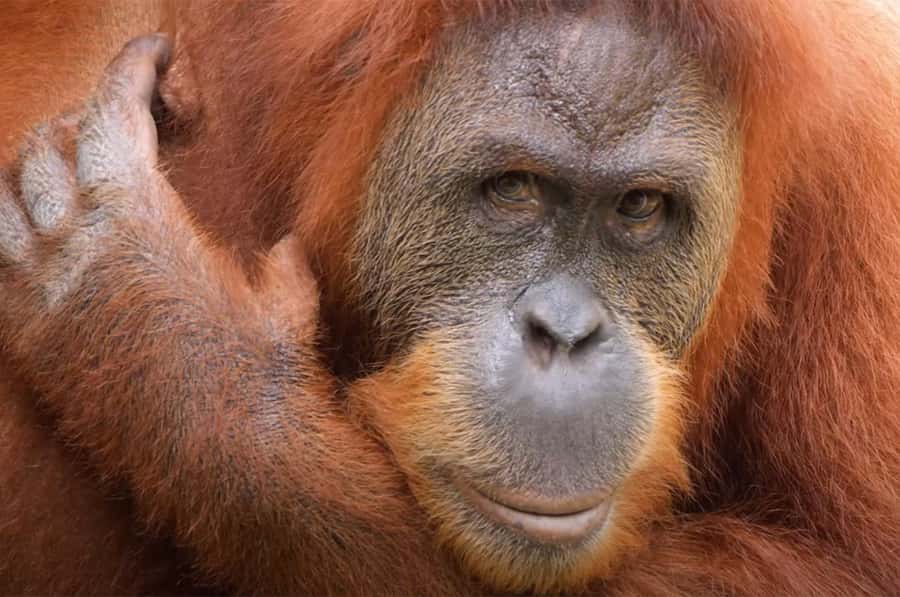
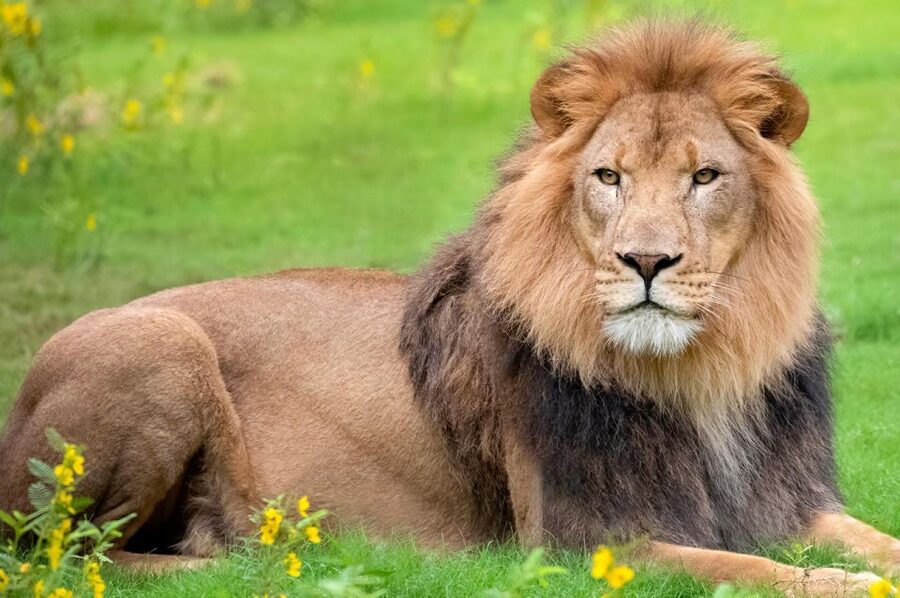
- Orangutans and lion habitat are standout areas, including Sumatran orangutan babies and a close view of lion females and one male
- Daily animal care demonstrations add context and make the visit more than just picture-taking
- Combo options can be great value if you want more than one building ticket in the same trip
Audubon Zoo or the Combo: What you’re actually buying
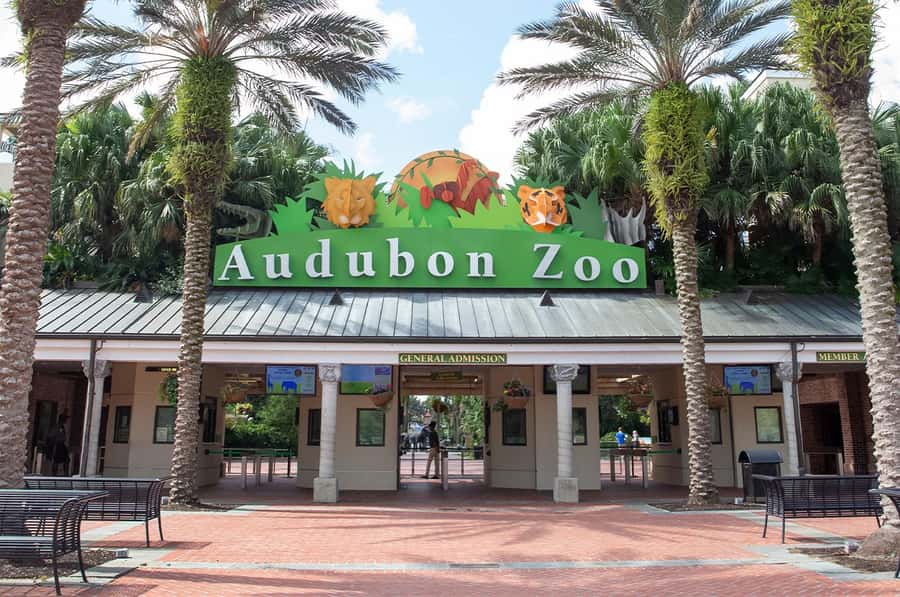
This is one of those tickets that sounds simple, but the details matter. The base option is a skip-the-line Audubon Zoo ticket for one entry on your scheduled date. That’s a big deal in a popular city attraction, because it reduces time spent standing around before you even reach the animals.
The combo option is for people who want more than the zoo in one visit window. Depending on which combo you choose, you add skip-the-line access to the Audubon Aquarium and/or the Audubon Butterfly Garden & Insectarium. The key practical advantage: you don’t have to visit everything on the exact same day. If you buy the Zoo and Aquarium combo, you have 3 days from your scheduled zoo date to redeem the other attraction(s). If you buy the 3-attraction combo, you have 5 days to use the additional tickets.
One more rule that changes your planning: combination tickets can be redeemed first at any included attraction. So if you have a tight schedule, you can start at the Aquarium or Insectarium and then pivot to the zoo later.
Planning your day on 50+ acres without losing time
Audubon Zoo sits on 50+ acres, so it rewards basic strategy. You’ll cover a lot more ground than you think if you bounce randomly between distant areas. My advice: pick your top two or three must-sees first, then build outward.
Also, pay attention to timing. The zoo is open 10:00 AM to 5:00 PM, and last entry is 30 minutes before closing. That means you should aim to enter earlier rather than later if you want a calmer pace and more chance to see animals active.
A practical heads-up from real-world experience: if it’s very hot, you may not see every animal as you expect. One booking noted they couldn’t get through everything because of extreme heat. Another booking mentioned cleanliness was excellent but that some animals weren’t in their enclosures yet during early arrival because staff were cleaning. The takeaway is simple: arrive when you can, but expect a normal day-of-operations rhythm where some animals are “on display” and some are part of the background routine.
African lion and Sumatran orangutan habitats: the close-up payoff
If you like your animal encounters direct and not just observational, these are two areas you’ll want to prioritize.
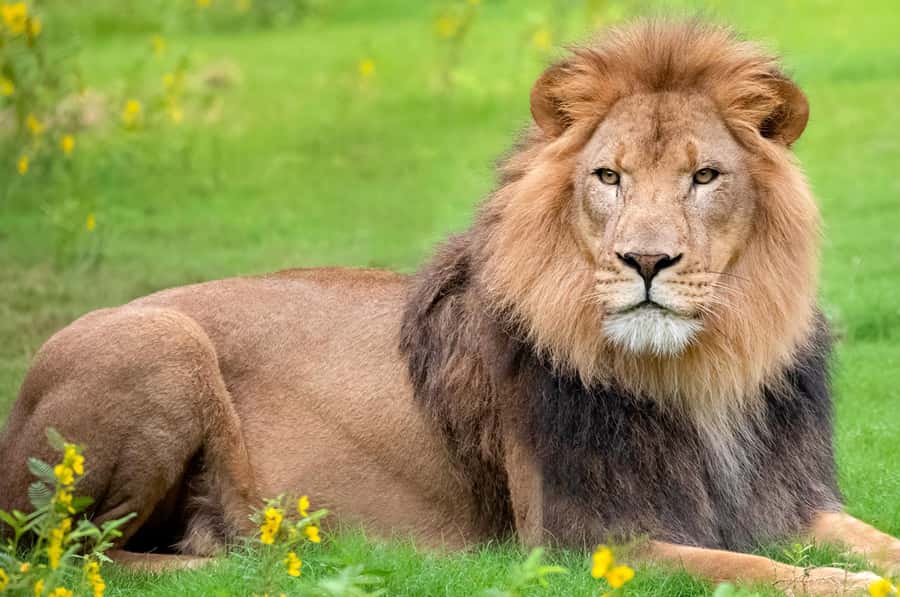
The zoo features an African lion habitat where you can see 3 female lions and 1 male. That matters because you’re not just looking at one animal. You’re looking at a group dynamic, and it gives you more chances to catch behavior—resting, moving, social signals—rather than waiting for one individual to do something.
Next up is the outdoor Sumatran orangutan habitat. The zoo highlights that orangutan babies have been born at the zoo, and that detail signals the place isn’t just a static display. If orangutans are on your list, give them extra time. These habitats can be physically impressive, but the best part is that you may notice how the space is designed for climbing and movement, not just sitting.
If you’re visiting with kids, these two stops tend to be the “we get it, we came for this” moments. They also work well even if you don’t catch every animal in the zoo, because these areas are high-impact.
Whooping cranes, Amur leopards, and Sumatran orangutans: how to spot what’s special
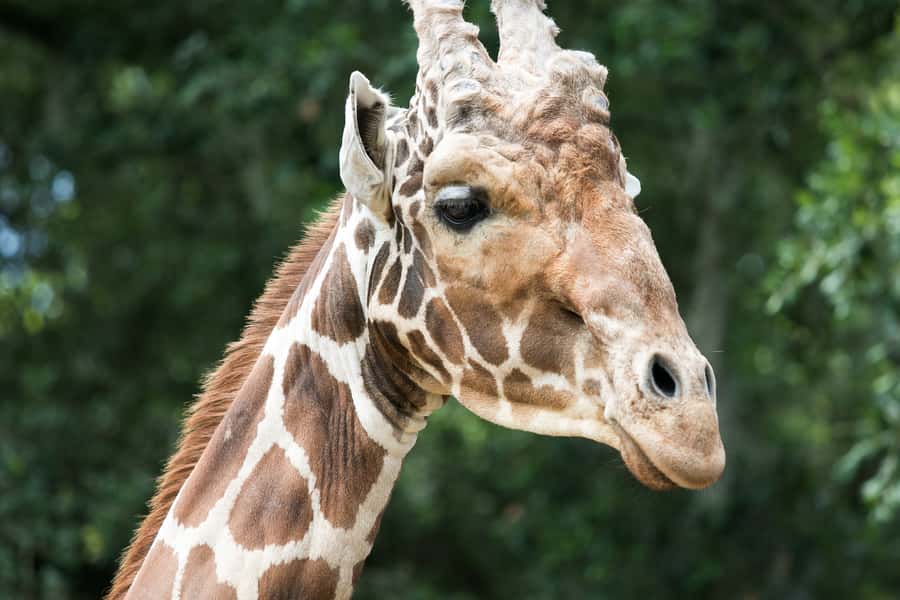
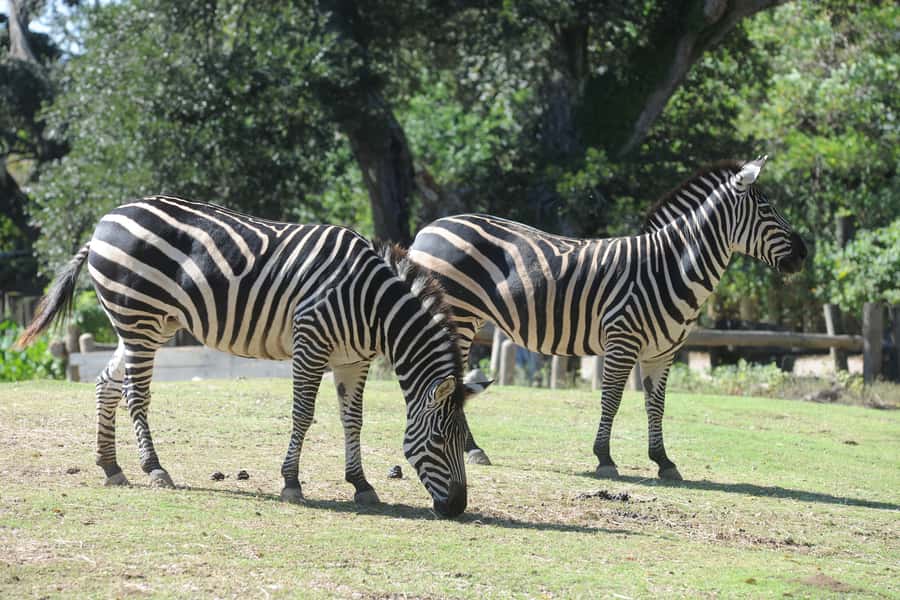
Beyond the headline species, Audubon Zoo’s animal list is broad—1,700+ animals across 350+ species. With numbers like that, the risk is fatigue: you start scanning every enclosure the same way, and nothing sticks.
Instead, build your “animal theme.” For example:
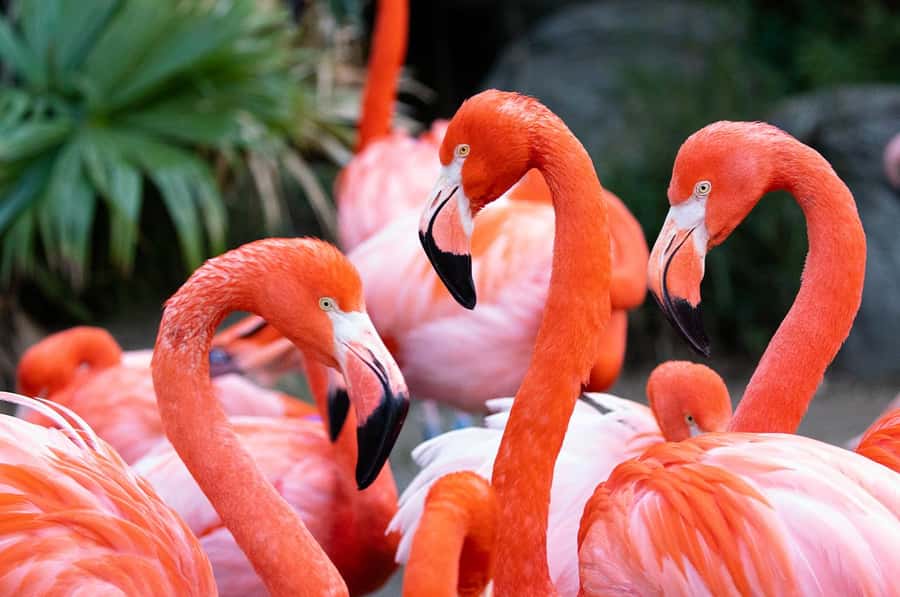
- If you love birds, set a target for the whooping cranes
- If you’re into big cats, look for the Amur leopards
- If you’re focused on primates, center your day around the Sumatran orangutans
This approach helps you walk with intention. And it reduces the chance you’ll feel like you’re just checking boxes while your feet do the real work.
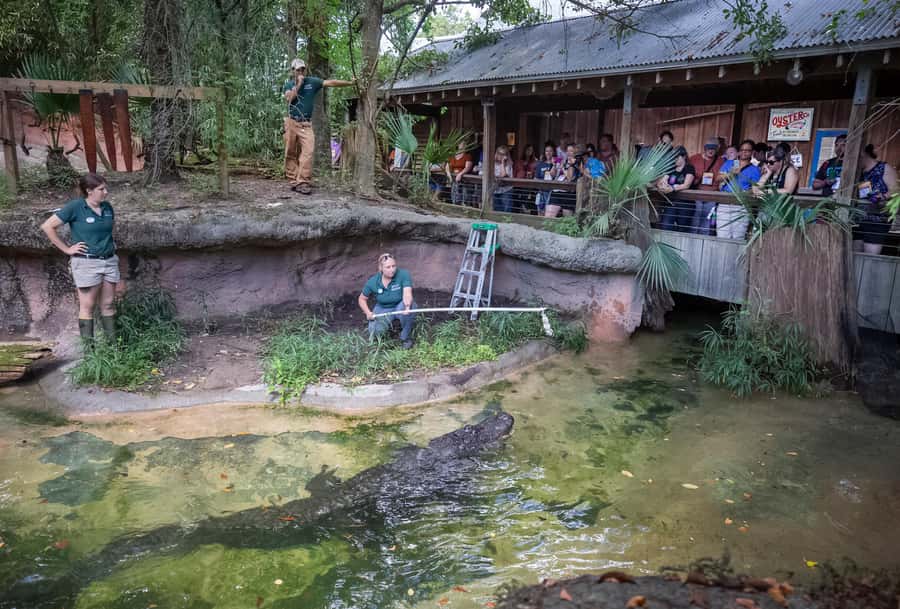
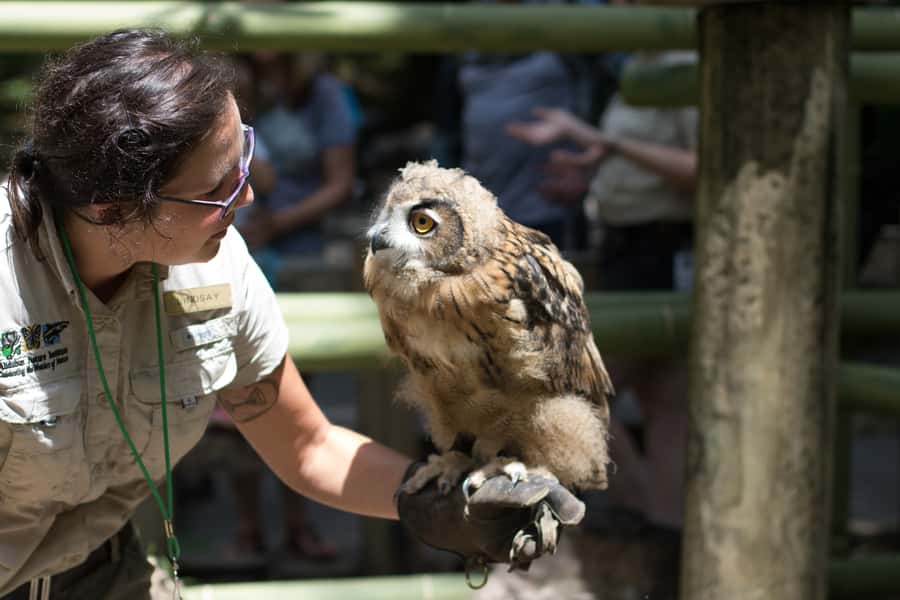
You’ll also find daily animal care demonstrations throughout the zoo. These are great because they slow you down in a good way. You get short, structured learning moments that help you understand what you’re seeing—why an animal is positioned a certain way, what staff are monitoring, and what “care” means in an accredited setting.
Louisiana Swamp: the only urban swamp in the world
One of the most memorable parts of the zoo experience is the Louisiana Swamp Exhibit, described as the world’s only urban swamp. That label is more than a marketing line. It signals a design goal: recreate a South Louisiana ecosystem inside a city setting.
This exhibit is built around animals tied to the region, including black bears, bobcats, foxes, and the white alligator. If you want a break from the “look at the animal, move on” pattern, this is the stop that gives you context. You’re seeing a habitat concept, not just separate cages.
The drawback to keep in mind is your comfort in warm weather. The zoo covers a lot of outdoor ground, and one booking noted they didn’t see all animals because it was extremely hot. If you go in summer, plan for sun and heat. You’ll enjoy the swamp more if you pace yourself instead of trying to sprint between exhibits.
Jaguar Jungle and the Criaturas de la Noche bat house
Jaguar Jungle is a favorite for a reason: it reads like a theme park area, but it’s still grounded in animal habitats and behavior.
Expect a Central America-style route with an archeological dig setting, plus animals like spider monkeys, ocelots, and a jaguar. You’re not just moving from one enclosure to another—you’re walking through a designed story.
Then there’s the bat house: Criaturas de la Noche. Bat houses can be hit-or-miss depending on your timing, but even if you don’t catch a perfect “show moment,” the section gives you a new lens on nocturnal wildlife. For many families, it becomes a stop they remember for the atmosphere, not only for sightings.
If you like structured wandering—places where the path and scenery guide you—this is the area that will keep your feet from dragging.
Monkey Hill’s five-level treehouse views

Monkey Hill is exactly what it sounds like: a multi-level approach to watching primates and surrounding areas from above and across different angles. The zoo’s setup includes a five-level treehouse, which changes your experience in a simple way: you see more from higher points, and you don’t have to strain your neck at every enclosure.
This is also a great zone for photos that actually look interesting. From different levels, you’ll get different lines of sight, and that makes the area feel less repetitive as you move through it.
If you have mobility limits, use the “check in at your own pace” mindset. The treehouse concept implies elevation changes, so it’s worth considering whether stairs or steep spots will be comfortable for you.
Watoto Farm and animal care demos: learning that feels practical
Not every zoo stop needs to be a mega-habitat. The included Watoto Farm experience adds a different kind of connection: domestic animals and sustainable agriculture learning.
You can interact with domestic species like sheep and goats, and you’ll learn about sustainable agricultural practices. Even if your main goal is wildlife, this section gives you a mental reset. It’s calmer, and the content tends to be easier to connect to everyday life.
Pair Watoto Farm with the daily animal care demonstrations, and your trip becomes more than observation. It turns into learning about routines and responsibilities—how animals are cared for, how staff manage environments, and what “day-to-day” looks like behind the scenes.
If you’re traveling with kids, this is often where behavior questions come up: what they eat, how staff care for them, why the habitat looks the way it does. That’s the stuff that makes zoo time stick after you get back to your hotel.
The combo side: Aquarium and Insectarium/Butterfly Garden options
If you go beyond the zoo ticket, you’ll likely add the Audubon Aquarium and/or the Audubon Butterfly Garden & Insectarium. These are optional, but the main reason to add them is simple: you’ll stretch your time in the same ticket ecosystem without starting from scratch.
Here’s the honest balance. One booking found the Aquarium and Insectarium were on the small side. Another noted the butterfly area was the most beautiful discovery, but it was also small. That doesn’t make the combo bad. It just helps you set the right expectation: think of these as extra chapters, not full replacement days.
If you’re short on time and you want variety—fish and underwater viewing in the Aquarium, plus live insects and butterflies in the insectarium/butterfly garden—the combo can be a smart way to pack in variety without paying for multiple separate attractions.
Food, rules, and heat: the stuff that can make or break your visit
This zoo is a walk-and-stand kind of outing. You’ll do best if you don’t show up thinking you’ll snack your way through.
Food and drinks aren’t allowed, and pets aren’t allowed either. Smoking and bikes, coolers, and skates are also not allowed. So plan meals outside the grounds (before you arrive or afterward) and keep your packing simple.
Heat is the other big factor. One booking called out extreme temperatures that limited how much they saw. Another noted that early timing can affect whether some animals are in their enclosures yet due to cleaning routines. So my practical advice:
- Go early if you can, for fewer crowds and better odds of active animals
- Build in rest time so you don’t rush through outdoor habitats
- Expect a “day-of” rhythm where enclosures don’t always look identical hour to hour
Price and value: does $31 make sense?
At about $31 per person for the Audubon Zoo skip-the-line ticket, the value comes from two things: scale and time saved. You’re paying for access to a major wildlife park—50+ acres and 1,700+ animals—and you’re avoiding the annoyance of lining up.
The combo upgrades are where value can really click. If you’re the type who wants one big zoo day plus additional animal-related stops, adding the Aquarium and/or Insectarium turns a single-day plan into a multi-attraction itinerary without you needing to re-plan tickets from scratch.
The catch is your expectations. If you expect the Aquarium or Insectarium spaces to feel as large as the zoo, you might feel underwhelmed, because some people found those indoor areas small. If you’re thinking of them as add-ons—especially the butterfly-focused areas—then the combo makes more sense.
Who should book Audubon Zoo (and who should think twice)?
Book this if:
- You want an easy, high-odds zoo day with skip-the-line entry
- You’re excited about habitat-style exhibits like Louisiana Swamp and Jaguar Jungle
- You like adding a learning layer through daily animal care demonstrations
- You’re traveling with kids who will enjoy Monkey Hill’s multi-level treehouse concept
Think twice (or at least plan carefully) if:
- You strongly dislike smaller enclosures. One booking said some zoo enclosures felt small.
- You’re visiting during peak heat and you hate walking outside for long stretches.
- You have a strict schedule and don’t want any chance of a mismatch. One verified booking reported the zoo was closed on Tuesday and Wednesday, so checking your actual date matters.
Should you book: Audubon Zoo ticket or the combo?
Here’s my straight recommendation. If your goal is one strong wildlife day in New Orleans, the Audubon Zoo ticket is the clean choice. Prioritize lion, orangutans, and the big three: Louisiana Swamp, Jaguar Jungle, and Monkey Hill. Add the daily care demos and Watoto Farm, and you’ll end up with a trip that feels structured, not random.
If you have more time or you want variety beyond mammals and birds—especially if insects and butterflies are your thing—then the combo can be worth it. Just treat the Aquarium and Insectarium as bonus stops rather than equal replacements for the zoo’s bigger habitat grounds. The combo shines when you’re flexible with your days inside the 3-day or 5-day redemption window.
FAQ
What’s included with the Audubon Zoo ticket?
Your Audubon Zoo option includes a skip-the-line ticket for Audubon Zoo, valid for one entry only on your scheduled date.
What’s included in the combo tickets?
Combo options include skip-the-line entry to the Audubon Zoo plus additional skip-the-line tickets for the Audubon Aquarium and/or the Audubon Butterfly Garden & Insectarium, depending on the combo you select.
How long do I have to use the Aquarium or Insectarium portion of a combo?
If you buy the Zoo and Aquarium combo, you have 3 days from your scheduled zoo date to visit the other attraction(s). If you buy the 3-attraction combo, you have 5 days from your scheduled zoo date.
Are there animal care demonstrations?
Yes. There are daily animal care demonstrations throughout the zoo.
What are the opening hours?
Audubon attractions run 10:00 AM to 5:00 PM, with the last entry 30 minutes before closing.
Can I bring food, drinks, or pets?
No. Food and drinks aren’t allowed, and pets aren’t allowed.
Is it wheelchair accessible, and is there free entry for young children?
Yes, it’s wheelchair accessible. Children under 2 may access for free.