REVIEW · NEW ORLEANS
Audubon Zoo Ticket
Book on Viator →Operated by Audubon Nature Institute Inc. · Bookable on Viator
Big animals, zero guesswork. This mobile Audubon Zoo ticket locks in your entry to one of New Orleans’ top wildlife parks, built on 50+ acres of natural habitats that feel like you’re traveling by theme. I especially love the African lion habitat setup, with close-up viewing of 3 females and 1 male.
I also like the zoo’s signature design choices, like Monkey Hill’s 5-level treehouse experience and the Central America–style Jaguar Jungle area with an archaeological dig, spider monkeys, ocelots, and a jaguar plus the Criaturas de la Noche bat house. One thing to plan for: it’s a lot of walking across the grounds, so you’ll want strong physical fitness and comfy shoes.
In This Review
- Key highlights you’ll care about
- Audubon Zoo Ticket in New Orleans: What you’re really paying for
- How long 3 to 4 hours works on real zoo ground
- Entering the zoo: getting your bearings without losing an hour
- African lions and Sumatran orangutans: close viewing that feels personal
- Monkey Hill: the treehouse approach to primates
- Jaguar Jungle and Criaturas de la Noche: Central America with a plot
- Louisiana Swamp Exhibit: the only urban swamp in the spotlight
- Watoto Farm: sheep and goats plus sustainable farming lessons
- Beyond the headline animals: other stops that make the day feel complete
- Comfort and flow: shade, seating fans, and avoiding mid-day meltdowns
- Optional add-ons: train ride and Virtual Reality
- Getting the most out of your visit (without overplanning)
- Value check: is this Audubon Zoo ticket worth it?
- Should you book the Audubon Zoo ticket?
- FAQ
- Where is the Audubon Zoo ticket experience located?
- How much does the Audubon Zoo ticket cost?
- How long does the experience last?
- What is included with the ticket?
- Are food and drinks included?
- Are add-on experiences included in the price?
- Is the ticket mobile?
- Are service animals allowed?
- What is the cancellation and refund window?
Key highlights you’ll care about
- Guaranteed admission for a popular New Orleans attraction, so you can spend less time worrying and more time looking
- Monkey Hill’s 5-level treehouse, giving you a fun way to see primates from different heights
- Jaguar Jungle’s full themed “world”, including an archaeological dig, spider monkeys, ocelots, a jaguar, and the bat house
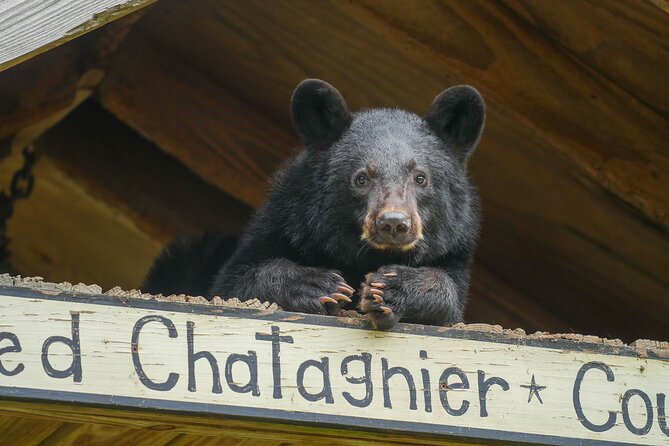
- Louisiana Swamp Exhibit as an urban swamp, showing animals like black bears, bobcats, foxes, and a white alligator
- Watoto Farm adds hands-on farm contact, including sheep and goats and lessons on sustainable agricultural practices
- Shade and good pacing options, plus clear signage that helps you move through the zoo without losing time
Audubon Zoo Ticket in New Orleans: What you’re really paying for
A ticket to Audubon Zoo can sound simple on paper. In real life, the value is about stress control. You’re buying admission to a big, highly popular zoo, and you’re doing it with a mobile ticket approach that helps you avoid last-minute scrambling.
At $37.60 per person for roughly 3 to 4 hours, you’re not just paying to see animals. You’re paying to access well-planned habitats and a layout that supports repeat viewing. The zoo covers 50+ acres with 1,700+ animals across more than 350 species, which means you’re unlikely to feel like you rushed through the place. If you’re the type who likes to linger at the best exhibits, this fits.
One practical note: the price is for the zoo admission itself. Food, drinks, and extra add-ons are separate. If you want the train ride or Virtual Reality, you’d need to budget for those extras, since they are not included in the ticket.
How long 3 to 4 hours works on real zoo ground
Audubon Zoo is large enough that time management matters, even if you’re not trying to “check off” everything. In that half-day window, you’ll get the most joy if you pick a few anchor areas and then fill in around them.
Here’s a smart pacing idea that matches how the zoo is designed. Start with one of the big themed zones (either Monkey Hill or Jaguar Jungle). Then take on one “big concept” habitat (the Louisiana Swamp Exhibit is a great example). After that, round it out with the animal highlights that help the zoo feel distinctive, like the lion and orangutan areas.
If you’re tempted to do everything, don’t. The zoo is the kind of place where the best memories come from slowing down for the close-up viewing and letting the animals do their thing. Reviews also point out that the grounds feel clean and well laid out, and you’ll likely appreciate good shade and fans at seating areas when you need a break.
Entering the zoo: getting your bearings without losing an hour
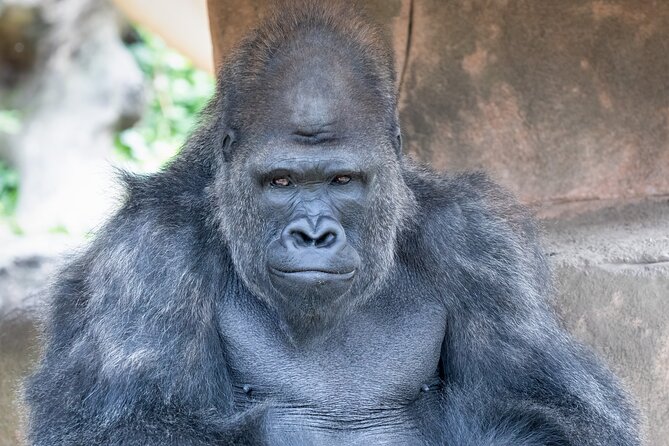
The zoo’s layout is signposted, which matters more than you’d think when you’re on unfamiliar ground. You’ll spend less time backtracking and more time watching animals at eye level.
A big reason this works well is that Audubon Zoo is organized by habitats and signature areas, not random animal lineups. So even if you don’t have a checklist, you can still “flow” naturally. You’ll find yourself drawn from one themed enclosure to the next, especially once you reach the areas that feel like separate mini-worlds.
Also, you’re in New Orleans. You’ll likely arrive with heat and humidity in mind. Plan for that. Reviews highlight lots of shade and comfortable pauses, so you can take advantage of those spots instead of forcing nonstop walking.
African lions and Sumatran orangutans: close viewing that feels personal
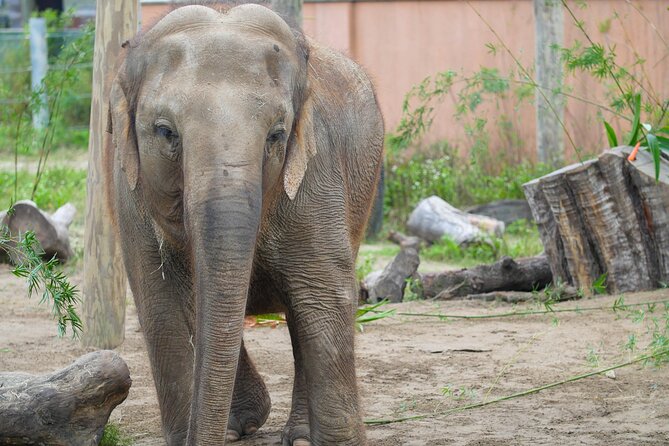
If you want the fastest payoff, start with the big, visually rewarding habitats. The African lion area is a standout for many first-timers because it’s designed for near viewing. You’re looking at 3 females and 1 male, and the enclosure setup helps you stay engaged without craning awkwardly or waiting for a distant glimpse.
Next up, the Sumatran orangutan habitat brings another kind of excitement. It’s not just about seeing orangutans; it’s about the zoo’s focus on the details of their life cycle. The habitat includes orangutan babies that have been born at the zoo, which adds an extra layer to what you’re watching. It makes your visit feel connected to the animals’ real stories, not just a display.
This is where I think the ticket does real work for your money. Lions and orangutans aren’t just “pretty animals.” They’re the kinds of exhibits that help a zoo feel cared for. When viewing is good and the environment supports natural behavior, you get that rare combo of entertainment and respect for the animals.
Monkey Hill: the treehouse approach to primates
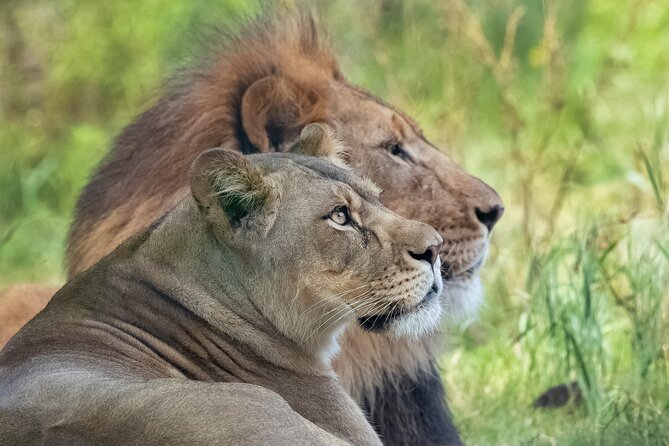
Monkey Hill is one of those places you’ll talk about afterward. The reason is simple: it’s not only an enclosure, it’s a multi-level way to watch.
You’re dealing with a 5-level treehouse concept, which means you get different sightlines rather than one flat viewing angle. That changes your whole experience. You can spot movement from above, scan for activity between platforms, and often catch moments that would be easy to miss from a single spot on a typical zoo layout.
If you like primates, this is the area to prioritize. The primate exhibits are specifically highlighted in visitor write-ups, and you can also pair Monkey Hill with the broader themed walking route so you don’t waste time getting between distant sections.
Jaguar Jungle and Criaturas de la Noche: Central America with a plot

If Monkey Hill is about heights and play, Jaguar Jungle is about immersion through theme. You’ll move through a Central America–style enclosure and encounter multiple animal types that keep the space interesting even when you’re waiting for one star to show up.
This area includes an archaeological dig element, which helps break up the viewing into zones instead of one long hallway of cages. You’ll likely see spider monkeys and ocelots, and the main goal is the jaguar exhibit. And then there’s the bat house: Criaturas de la Noche. That’s a different kind of animal viewing, and it adds variety right when the rest of the zoo may feel predictable.
There’s also an “in-between” value here. When exhibits are themed well, you spend less time staring at the ground planning your route and more time actually watching. Even the act of walking becomes part of the experience.
Louisiana Swamp Exhibit: the only urban swamp in the spotlight
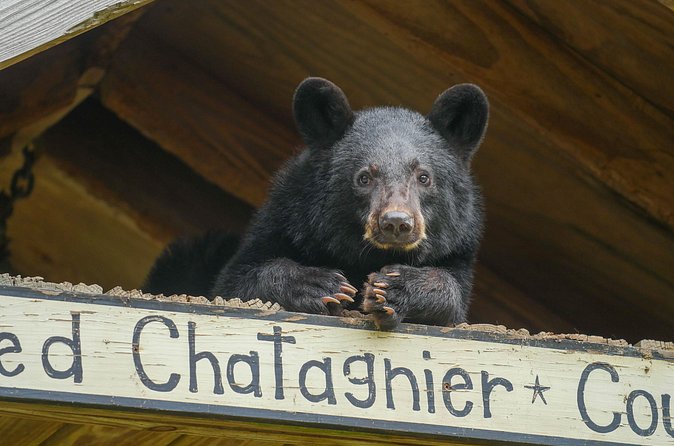
The Louisiana Swamp Exhibit is one of the most memorable concepts because it’s about place. It’s described as the world’s only urban swamp, and that framing matters. You’re not only seeing animals; you’re seeing an ecosystem tied directly to South Louisiana.
Expect to find species like black bears, bobcats, foxes, and a white alligator. The “urban swamp” idea also helps you understand how diverse wildlife can be even in human-centered areas. It turns the visit into something more meaningful than a simple animal tour.
If you’re traveling with kids or anyone who gets bored if there’s no storyline, this is a strong stop. It’s a clear theme that makes it easier to keep interest high without constant explanations.
Watoto Farm: sheep and goats plus sustainable farming lessons
Not every zoo stop should feel purely about wild animals. Watoto Farm adds a different kind of learning and interaction. You can interact with domestic species like sheep and goats, which is a big plus if you’re visiting with children or anyone who enjoys gentle, hands-on experiences.
You’ll also learn about sustainable agricultural practices. This is where the zoo becomes more than a collection of enclosures. It’s a chance to connect wildlife themes to the broader idea of responsible land use.
And this matters for value. If you only see carnivores and primates, the day can feel one-note. Farm time gives you variety, a calmer pace, and a different kind of engagement.
Beyond the headline animals: other stops that make the day feel complete
Not every highlight is the one you planned for. One reason Audubon Zoo works is that even if you start with lions and orangutans, the zoo has enough variety that you keep finding new favorites.
Based on what people tend to remember, you might catch animals like capybaras, painted dogs, and rhinos. You might also see special exhibits with dinosaurs, including live and extinct dinosaur-related displays. The point isn’t that you should hunt for specific species ahead of time. It’s that the zoo’s range helps you end the day with a few surprises, not just one big moment.
If you’re the type who loves photos, you’ll also find that the zoo supports picture opportunities well. Good layouts and clean exhibits make it easier to take photos without battling clutter.
Comfort and flow: shade, seating fans, and avoiding mid-day meltdowns
This is New Orleans, so plan for weather. One of the best practical advantages mentioned in visitor experiences is that there’s lots of shade around the zoo. That’s not a small detail. Shade turns a visit from a slog into a comfortable wander.
Also keep an eye out for seating areas with fans. When you hit the warmest part of the day, those breaks are what keep your energy level up for the last half of your route. And since the zoo covers more than a few acres, you’ll appreciate those moments even if you’re an active walker.
Finally, the grounds are described as clean and well spaced out. That improves the overall feel and makes it easier to focus on the animals instead of shoulder-checking your way through crowds.
Optional add-ons: train ride and Virtual Reality
Your ticket covers zoo admission. It does not automatically include every extra experience. Two notable add-ons are Virtual Reality and the train, which are listed as additional experiences.
If you’re hoping to cover more ground with less walking, the train can be a useful choice. If you’re the kind of person who likes to mix your day with a tech twist, Virtual Reality is also there if you want it.
My advice: decide based on your energy and group. If everyone in your crew is happy walking, spend the money on food and time. If not, add the train to make sure the day stays enjoyable.
Getting the most out of your visit (without overplanning)
You don’t need an intense itinerary, but you do need a strategy. Here’s how to keep the day smooth.
First, pick one must-see big zone and one must-see animal habitat. For many people, that’s Monkey Hill plus the lion or orangutan area. Second, build in a swamp stop, because the Louisiana Swamp Exhibit is a signature concept that changes the mood of your visit. Third, add Watoto Farm if you want a calmer, interactive part to balance the day.
Then, use the zoo’s strengths: clean layouts, shade, and signage that helps you move. If you come with a little flexibility, you’ll likely spend more time where you’re actually enjoying yourself, and less time chasing a checklist.
Value check: is this Audubon Zoo ticket worth it?
At $37.60, you’re buying admission to a major zoo with serious scale: 1,700+ animals across 350+ species on 50+ acres. That’s strong value for the time window of 3 to 4 hours, especially because it’s not limited to one genre of animals. You get top-tier habitats (lions and orangutans), a primate-focused treehouse experience (Monkey Hill), a themed Central America area (Jaguar Jungle with bats and multiple predator types), and a local ecosystem story (Louisiana Swamp).
The main reason value could feel lower for some people is the same reason it’s so good for others: you do need to be comfortable walking. If mobility is limited, you may find it hard to cover enough of the zoo to feel like the price “pays off” within a half day. In that case, consider adding the train if it fits your comfort level.
If you’re someone who wants a planned entry and a meaningful mix of animal viewing plus learning, this ticket is a safe bet.
Should you book the Audubon Zoo ticket?
Book it if you want a half-day wildlife experience that mixes famous animals with themed exhibits you can’t easily recreate elsewhere. Prioritize it if you care about primates and big-cat-style viewing, or if you like when zoos explain ecosystems, not only species names.
Skip or adjust your expectations if you’re expecting a mostly seated experience. This is a walk-around zoo with major acreage, so you’ll want strong physical fitness and the right footwear.
If you’re traveling to New Orleans and you want a day that feels both fun and educational, this ticket is one of the easiest ways to make it happen without last-minute stress.
FAQ
Where is the Audubon Zoo ticket experience located?
It takes place in New Orleans, USA.
How much does the Audubon Zoo ticket cost?
The price is listed as $37.60 per person.
How long does the experience last?
Plan for about 3 to 4 hours.
What is included with the ticket?
The ticket includes admission to Audubon Zoo.
Are food and drinks included?
No. Food & Beverage are not included.
Are add-on experiences included in the price?
No. Add-ons such as Virtual Reality and Train are not included.
Is the ticket mobile?
Yes, it’s described as a mobile ticket.
Are service animals allowed?
Yes, service animals are allowed.
What is the cancellation and refund window?
You can cancel for a full refund up to 24 hours before the experience starts. Cancellation within 24 hours does not receive a refund. Confirmation is provided at booking, and cancellation is listed as free.