REVIEW · UBUD
Bali Zoo: Behind Closed Doors Afternoon Safari Guided Tour
Book on GetYourGuide →Operated by Bali Zoo · Bookable on GetYourGuide
At dusk, the zoo feels like yours. Starting around 3:00 PM, Bali Zoo opens its gates to a limited group, so you trade daytime crowds for a calmer, guided walk into the night.
The animal time is the real draw. I love the exclusive after-hours access, especially when the zoo is quieter and the guide can focus on what matters. You’ll also get very close to famous stars like orangutans and elephants, guided by staff who explain what you’re seeing. I’m also a fan of the behind-the-scenes care and nocturnal behavior talk, which turns the experience from just looking into understanding.
One possible drawback: a few parts of the visit can feel a bit geared toward animal “moments,” which can make it harder to get purely natural photos with your own phone or camera.
In This Review
- Key highlights at Bali Zoo After-Hours
- Why the 3–6 PM after-hours timing changes everything
- The smooth start: arriving by 3:00 PM and getting your bearings
- Orangutans, elephants, and the kind of closeness you can count on
- The part most people miss: what changes when night falls
- Keepers, conversations, and the conservation angle that actually helps
- Refreshments included: when the evening pace feels easy
- Price and value: $52 makes sense if you care about guided encounters
- Logistics you’ll want to plan for: pickup areas and end-time reality
- Photo expectations: great moments, but don’t fight the flow
- Who this after-hours safari is best for
- Should you book Bali Zoo Behind Closed Doors?
- FAQ
- What time does the Behind Closed Doors program run?
- How long is the tour?
- Is there a live guide, and what language is it in?
- What animals should I expect to see during the tour?
- What’s included in the ticket price?
- Is hotel pickup available?
- Where is the meeting point?
- What should I bring, and what should I wear?
- Is the tour wheelchair accessible?
- Are there any rules I should know?
Key highlights at Bali Zoo After-Hours
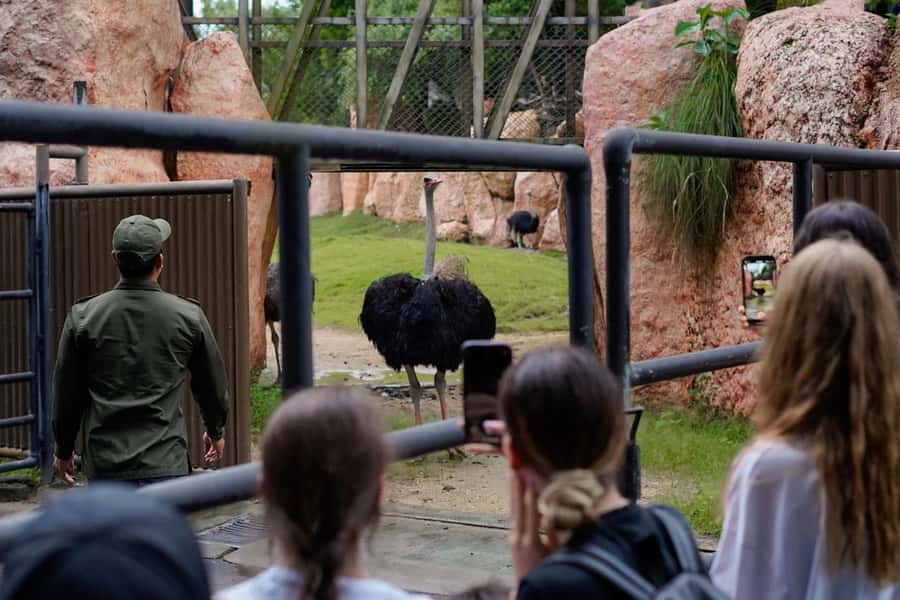
Small-group entry for a quieter zoo vibe starting around 3:00 PM
Up-close animal encounters, including orangutans and elephants, within safety limits
Keeper-led insights on animal care and what changes as night approaches
Evening viewing of nocturnal routines, when animals are more active than you’d expect
Refreshments included, with cool drinks and even beer as part of the evening atmosphere
Why the 3–6 PM after-hours timing changes everything
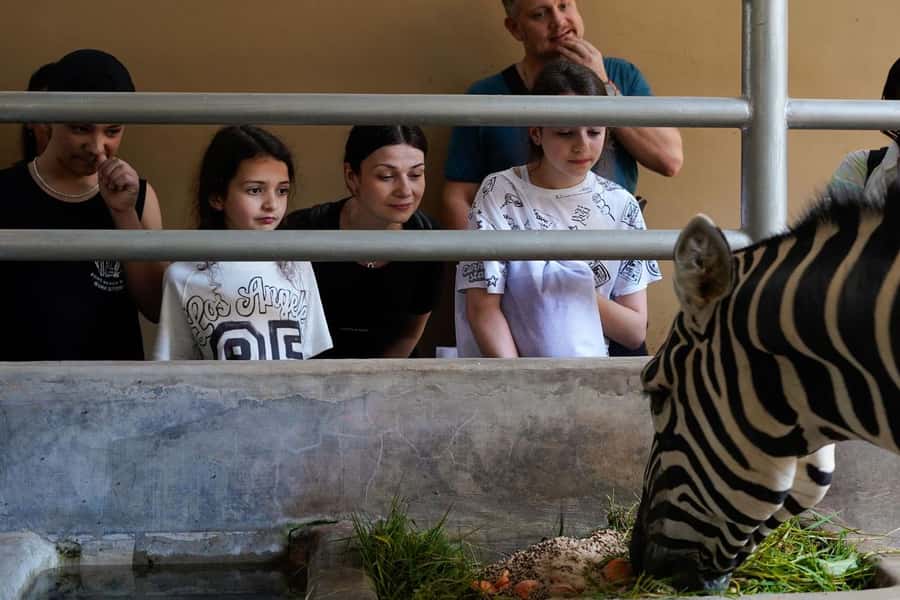
Timing is everything at a zoo, and this program uses it well. You begin at 3:00 PM with exclusive access for a smaller group, and the event window runs daily from 4:00 PM to 6:00 PM.
Daytime zoo visits can feel like a parade. After-hours feels more like a slow conversation with the animals and the place where they live. You’re walking with a guide, not just wandering past exhibits.
This is also a practical advantage. You don’t need to fight for viewing spots, and you’ll likely have a little more breathing room to watch behavior instead of just catching a glimpse.
The smooth start: arriving by 3:00 PM and getting your bearings
Check-in is designed around an on-time start. The last check-in is at 3:00 PM, so plan to arrive with enough buffer to get organized and meet your group.
If you’re arriving early, you can also explore Bali Zoo’s daytime attractions before the after-hours program begins. That’s handy if you want extra variety, or if you’re traveling with kids who burn energy fast.
Even if you don’t add daytime time, think of the first stretch as getting your bearings fast. Wear comfortable shoes and dress for walking in Bali heat. You’ll be moving through several areas of the zoo.
Orangutans, elephants, and the kind of closeness you can count on
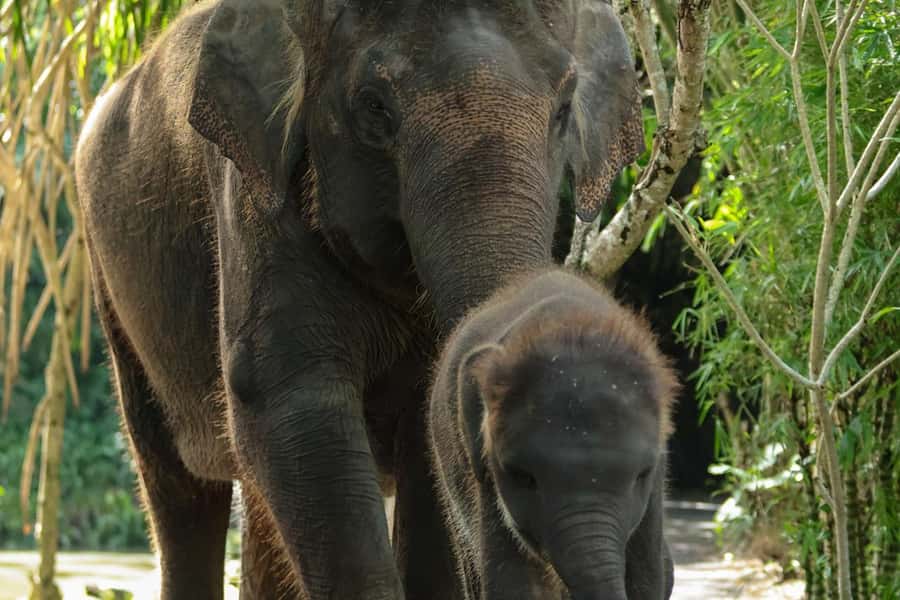
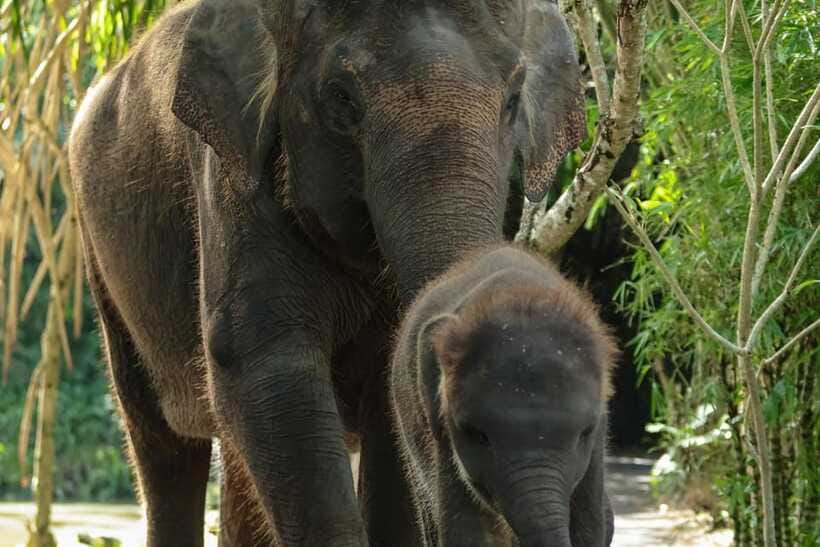
The star attractions in this program are close encounters with iconic animals. Expect sessions centered on orangutans and elephants, guided and shaped by what the zoo allows for safety.
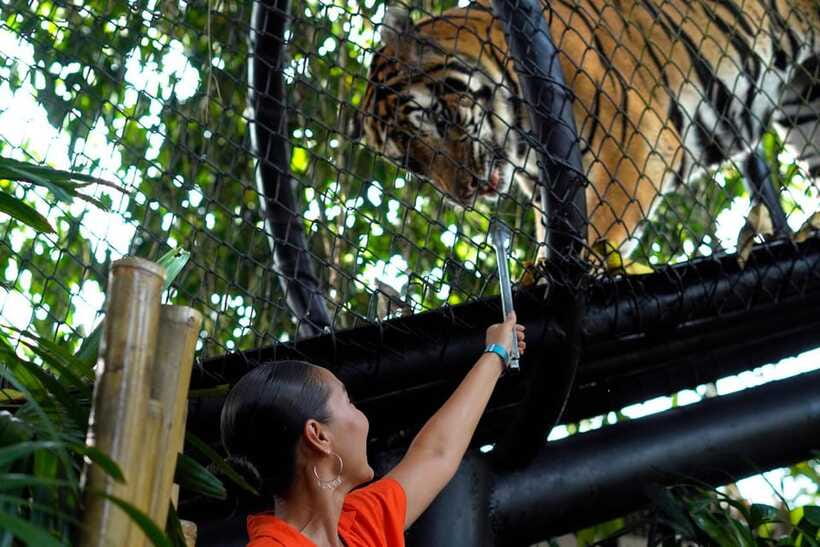
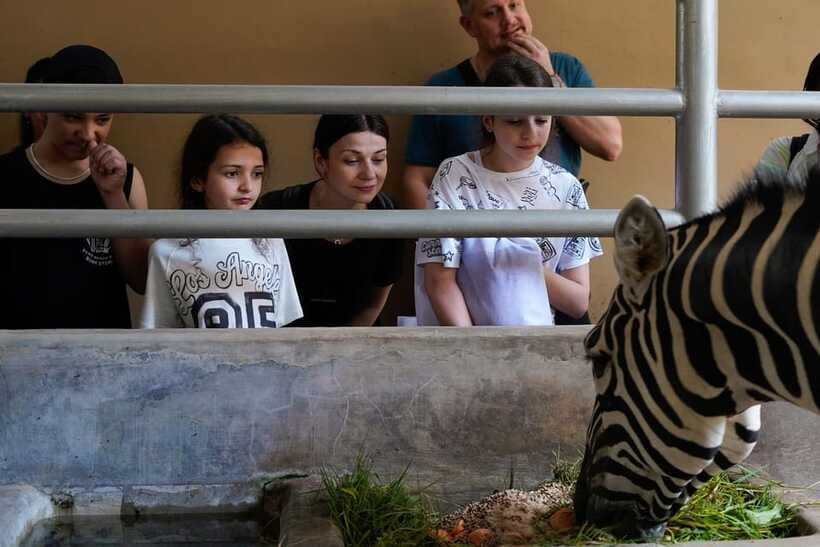
In particular, the program description and participant feedback point to animal interaction moments such as elephant feeding and snake petting, plus lion and tiger feeding. Those aren’t just “seeing from afar.” They’re the kind of moments that feel special because you’re close enough to notice behavior details, not just species names.
A key point: closeness here is still security-led. If staff say where you can stand, follow it. The best photos and best experiences usually happen when you cooperate with the safety rules and give animals space to act naturally.
Also, you’ll get interpretation. The guide and keepers explain what you’re observing, which makes the encounter far more memorable than a quick stop at a viewing wall.
The part most people miss: what changes when night falls
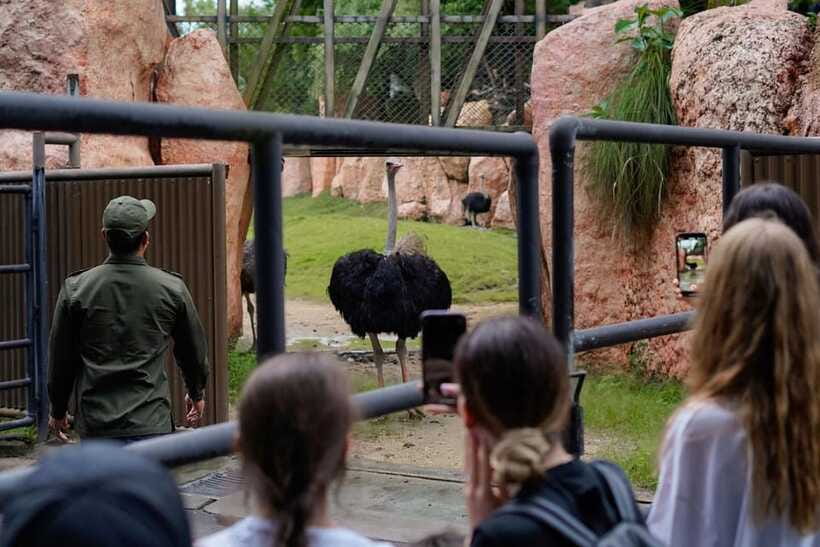
The core theme of Behind Closed Doors is what happens after the sun shifts. As evening comes on, the program includes behind-the-scenes access to see how animals unwind in their habitats.
This is valuable because it changes your perspective. Many zoos show you animals during peak human hours. Here, you’re watching the rhythm that fits the animals’ lives better—especially for species that become more active or show different behaviors at night.
Your guide shares insights into nocturnal animal behaviors and what the zoo is doing to support wildlife conservation. Even if you’re not a big conservation-nerd, the practical “why” helps. You start connecting daily animal care—feeding routines, enclosure management, and enrichment—to the bigger goal of protecting wildlife.
From a realism standpoint, I like that the focus isn’t just dramatic animal moments. You also get the quieter, behind-the-curtain side of how care works.
Keepers, conversations, and the conservation angle that actually helps
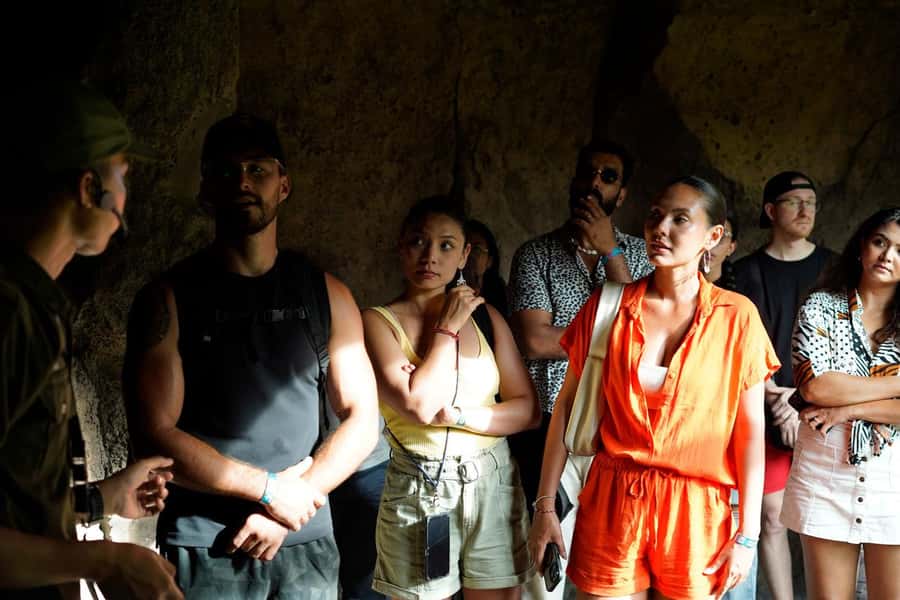
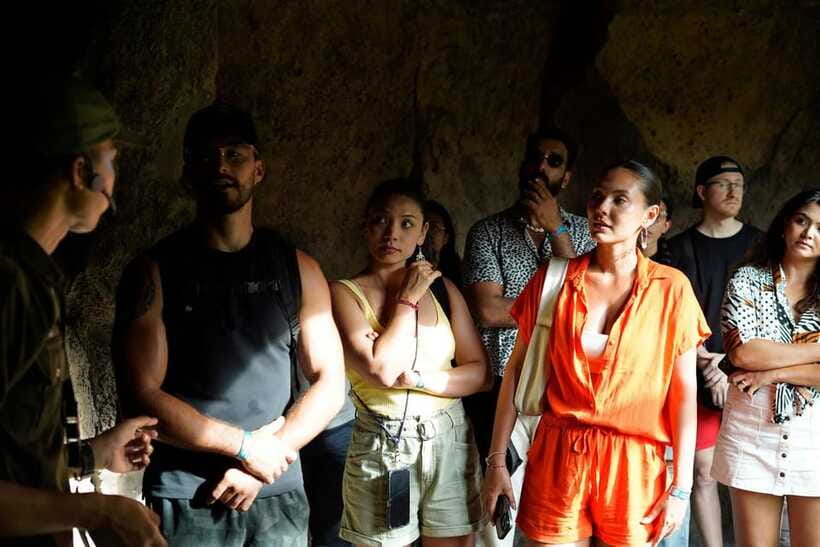
This tour isn’t just a route. It’s a guided learning experience that uses keepers and staff expertise. You’ll get information from the guide, and you can usually ask questions in real time.
That’s a big deal for two reasons. First, you’re more likely to understand what you’re seeing—like why certain animals behave differently as evening approaches. Second, you leave with context instead of only photos.
One piece of feedback that stuck with me: guides and staff can be supportive in helping smaller guests understand interaction rules and how to behave around animals. If you’re traveling with children, that kind of on-the-spot guidance matters. It helps keep everyone calm and focused, instead of chaotic.
Refreshments included: when the evening pace feels easy
Food and drink matter more on an evening program than you might think. You’ll enjoy light refreshments, including cool beverages and beer as part of the included package.
This doesn’t turn the tour into a party. It just makes the walking easier and the waiting moments feel less stretched. When you’re moving through outdoor spaces, staying comfortable is half the battle.
I’d also treat the included refreshments as a small planning win. You can budget less time and money on extra snacks, and you can focus on the animal time and the guide’s explanations.
Price and value: $52 makes sense if you care about guided encounters
At $52 per person, this isn’t a bargain-basement ticket. But it also isn’t priced like a generic zoo admission either. The value comes from the combination of things that are typically paid separately elsewhere: after-hours access, guided tour, entrance fees, and included snacks/drinks.
Add in the fact that the experience runs for a limited group size, and it starts to feel less like a mass attraction and more like a guided evening event. That matters because staff attention is part of what you’re paying for.
Also check the pickup option if you need it. Hotel pickup and drop-off is included if you book that add-on, and it saves you from figuring out transport during busy late afternoons.
One more practical note from experience in Bali: traffic can be intense. If you’re thinking of driving yourself, this kind of timing can make your day stressful. A pickup service helps you keep the schedule intact.
Logistics you’ll want to plan for: pickup areas and end-time reality
The tour is centered on early evening timing, so your transport has to match. If you book pickup, areas listed include Kuta, Nusa Dua, Seminyak, and Jimbaran with pickup at 1:00 PM. Sanur and Ubud pickups are at 1:30 PM.
The tour ends at 6:00 PM, so plan your next step with that in mind. If you like dinner right after, you’ll probably want to be near your return route to avoid another round of afternoon gridlock.
Your meeting point is Bali Zoo on Jalan Raya Singapadu Banjar Seseh Sukawati Batuan Sukawati. If you’re not using pickup, treat the meeting point as your anchor and give yourself extra time to find it.
Photo expectations: great moments, but don’t fight the flow
Here’s the part where you should set your mindset early. One concern that shows up in feedback is that staff may encourage animals to perform in ways that can make “natural” photography harder. The goal is interaction and visible engagement, and that sometimes means the animals are prompted to do what’s easiest for guests to see.
That doesn’t mean your photos will be bad. It does mean you should adjust your expectations. If you want candid, unprompted wildlife behavior shots, you may need patience and a calm approach.
My advice: bring a camera or phone, but also bring the willingness to watch first. Let your photos happen while you’re actually paying attention.
Who this after-hours safari is best for
This is a strong match if you want a zoo visit with a guide and a clearer focus on animal care and behavior. It’s especially good for families because the program is designed to include interactive moments where guests can learn while staying within safety rules.
It’s also a good option if you dislike crowded daytime attractions. The after-hours format, limited group size, and the quieter mood can make the whole experience feel more relaxed.
You might reconsider if your top priority is strictly self-guided, nature-photographer solitude. This program has a guided, interaction-forward rhythm. It’s not built for silent wandering.
Should you book Bali Zoo Behind Closed Doors?
Yes—if you want guided animal encounters plus evening insight into nocturnal behavior and care, this is a smart way to spend your afternoon. The included refreshments and the limited group style help the experience feel more personal than standard zoo visits.
I’d book it particularly if your group includes kids or anyone who learns best through conversation, not just signs on walls. If your main goal is candid photography without any prompted animal moments, go with realistic expectations and focus on watching.
If you want a zoo experience that feels calmer, lasts into early evening, and gives you more than just a checklist of animals, this one fits.
FAQ
What time does the Behind Closed Doors program run?
It runs daily from 4:00 PM to 6:00 PM. The last check-in is 3:00 PM to ensure a smooth start.
How long is the tour?
The duration is listed as 2 to 7 hours, depending on starting times shown for availability.
Is there a live guide, and what language is it in?
Yes. There is a live tour guide, and the language provided is English.
What animals should I expect to see during the tour?
The experience includes close encounters with iconic animals such as orangutans and elephants. The program has also been described with sessions like elephant feeding, snake petting, and lion and tiger feeding, where allowed by security and staff.
What’s included in the ticket price?
Included are exclusive after-hours access, all entrance fees, a guided tour with expert insights, snacks with beverages and beer, and a limited group size for a more personalized visit.
Is hotel pickup available?
Pickup is optional. If you book it, pickup and drop-off coverage is listed for Kuta, Nusa Dua, Seminyak, and Jimbaran (1:00 PM) and Sanur and Ubud (1:30 PM).
Where is the meeting point?
The meeting point is Bali Zoo, Jalan Raya Singapadu Banjar Seseh Sukawati Batuan Sukawati.
What should I bring, and what should I wear?
Bring comfortable shoes, a camera, and wear comfortable clothes, since the tour involves walking through multiple zoo areas.
Is the tour wheelchair accessible?
Yes, the experience is listed as wheelchair accessible.
Are there any rules I should know?
You’re asked not to litter and not to ride the animals.