REVIEW · GRAN CANARIA
Cocodrilo Park Zoo Admission Ticket in Agüimes
Book on Viator →Operated by VIMOTIONS · Bookable on Viator
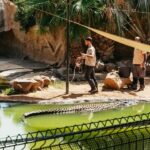
Crocodile day, in a rescue setting. I love the park’s rescue-first feel and the chance to see Europe’s biggest alligator exhibit without rushing.
Plan for one downside: heat. Some parts are outdoors with limited shade, so you’ll want sun protection and water.
In This Review
- Key things to know before you go
- Cocodrilo Park in Agüimes: what kind of visit is this?
- Value and timing: does $11.49 make sense?
- Getting there: transport reality on Gran Canaria
- What you’ll do once you enter: the flow inside the park
- Start with the animal zones you care about most
- Plan around the feeding/show moments
- Expect hands-on learning, not just viewing
- The alligators and crocodiles: the star attraction
- Bird feeding shows: fun for kids and adults
- Tigers, monkeys, and the rest of the mixed cast
- The monkey snack-bar: plan a break
- Comfort and heat: what to bring for a smoother day
- Is it worth it for families?
- What the good reviews emphasize (and why that matters)
- The main drawbacks to consider before you go
- My take: should you book this Cocodrilo Park admission ticket?
Key things to know before you go
- 500-plus animals across 22,000 square meters means you’ll have plenty to see without it feeling endless
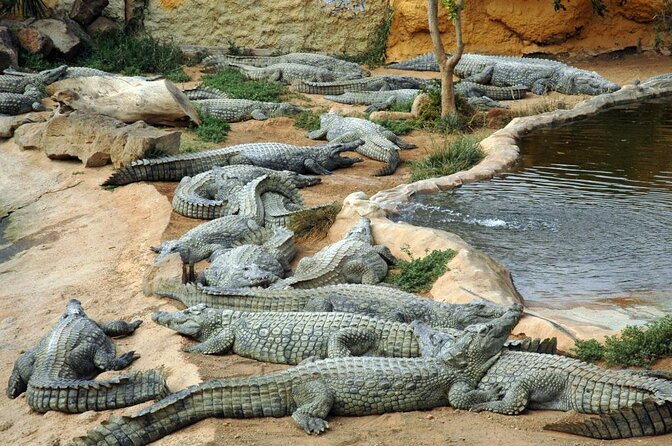
- Europe’s largest alligator exhibit is a real draw, even if you’re not usually into reptiles
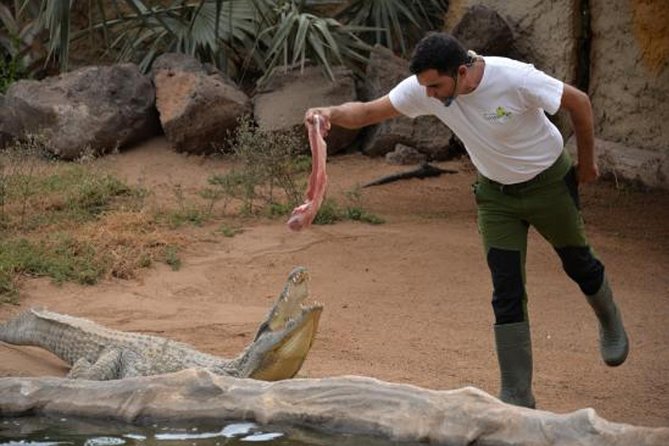
- Animal feeding shows (including birds and crocodiles) keep the pace lively
- Rescue stories and animal background info make it more meaningful than a standard zoo visit
- A monkey snack-bar offers practical food and drinks if you get hungry mid-walk
- Small group and mobile ticket help you keep things simple once you arrive
Cocodrilo Park in Agüimes: what kind of visit is this?
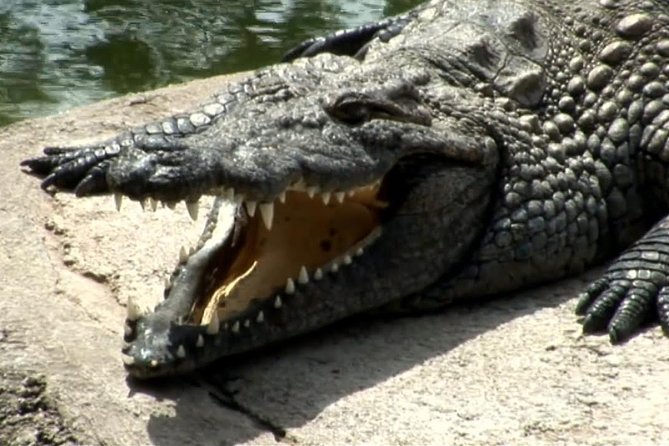
Cocodrilo Park doesn’t feel like a typical, shiny city zoo. It’s set up like a rescue and care facility for exotic animals, and that difference shows in the tone of the visit. You’ll still get the fun part—up-close viewing and feeding moments—but the vibe is more about why animals are here and what the park does for them.
The park covers more than 22,000 square meters and holds over 500 different animals. That scale matters. It means you’re not stuck doing one loop and calling it a day. You can spend time lingering at animal areas and still have energy left for the shows.
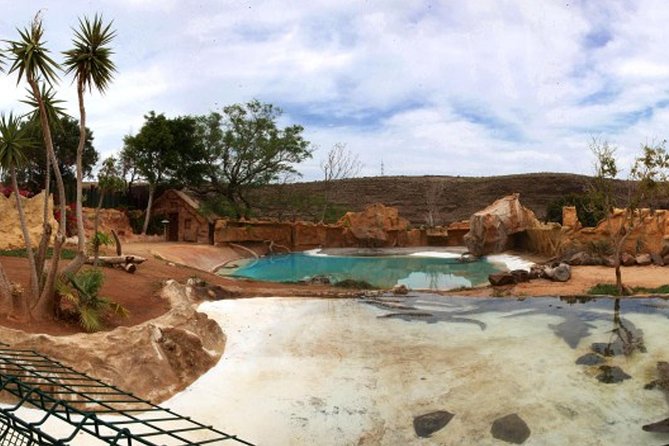
And yes, the headline attraction is the alligator area. The park has the largest alligator exhibit in all Europe, which turns reptile fans into happy campers. Even if you’re more of a “let me just see a few things” person, you’ll likely end up spending extra time there.
Value and timing: does $11.49 make sense?
At $11.49 per person, the ticket price is pretty easy to justify for a 4 to 6 hour outing. What makes it good value isn’t just the low cost. It’s the combination of (1) a big grounds area, (2) lots of animal variety, and (3) feeding/show moments built into the visit.
A couple of practical notes shape your day:
- The listed opening window runs Friday–Sunday, 10:30 AM–3:30 PM (for the given date range). If you’re visiting outside those days, you’ll want to confirm hours before you go.
- The duration is long enough to relax, but not so long that you’ll feel trapped. This is a good “family half-day” option.
Food and drinks are not included. That doesn’t make it bad value—it just means you should plan for a snack stop. The park has a monkey snack-bar with menus, hot dogs, and smoothies.
Getting there: transport reality on Gran Canaria
The park is listed as being near public transportation, which is helpful. Still, Gran Canaria can be spread out, and some stays are far from the most convenient connections.
One theme that comes up is that people staying in places like Maspalomas sometimes end up using a taxi rather than public buses. So here’s the honest approach: check how your local transport route lines up with a 10:30 AM start, and don’t assume every hotel has a simple direct bus ride.
No matter how you arrive, plan to keep your start flexible. A small delay is annoying when the park closes at 3:30 PM.
What you’ll do once you enter: the flow inside the park
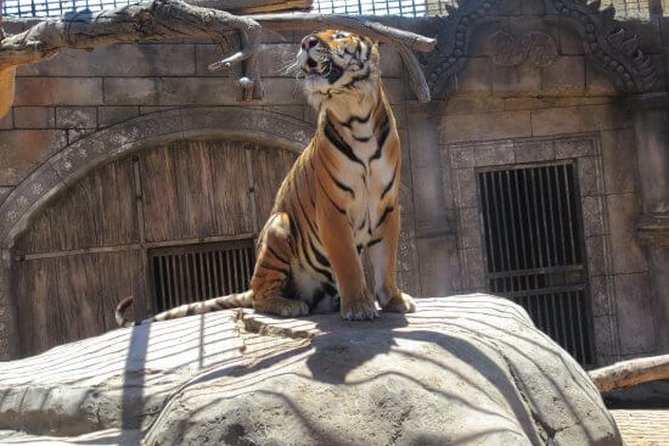
There’s only one main stop for this ticket, but your time inside Cocodrilo Park breaks into a few repeatable moments: animal walking, feeding shows, and casual breaks.
Start with the animal zones you care about most
The park’s animal mix is broad. Expect to see plenty of reptiles and smaller mammals alongside bigger species. You might spot:
- Meerkats
- Turtles
- Lizards
- Raccoons
- Several birds
- Deer
- Tigers
- Pigs
- Pygmy goats
- Llamas
- Monkeys
- Chimpanzees
With a lineup like that, I’d resist the urge to “see everything in order.” Instead, pick your top 2 or 3 interests. Then walk the rest in between show times. This keeps your afternoon from turning into a sprint.
Plan around the feeding/show moments
Feeding and show-style moments are a core part of the day. Reviews highlight bird feeding and crocodile-related moments, and that matches the park’s rhythm: you’ll often slow down because something is happening.
You’ll get the most out of those moments if you take a simple rule with you: don’t rush to the next enclosure the second you finish one. Give yourself time to reposition for the show area. It’s the easiest way to avoid missing the best parts.
Expect hands-on learning, not just viewing
A big part of what people remember is the explanation side. You’ll hear stories about where animals came from and how the rescue concept works. There’s also mention of education around invasive species, which gives the visit extra meaning beyond “watch animals.”
If you’re traveling with kids, that interpretive side matters. It helps turn a walk into a story. If you’re traveling solo, it helps you feel like you’re supporting care, not just collecting photos.
The alligators and crocodiles: the star attraction
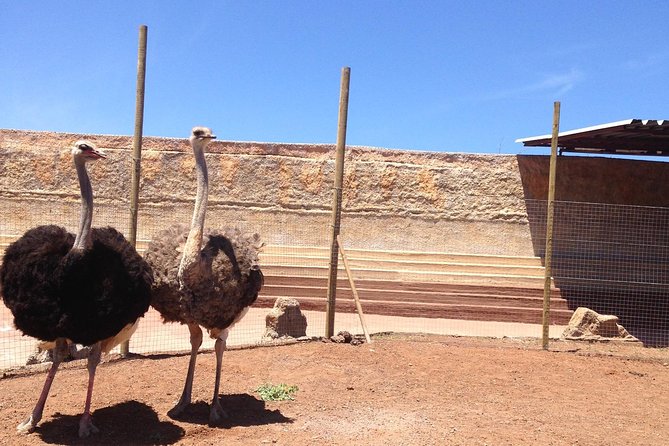
The alligator exhibit is the headline for a reason. The park claims the largest alligator exhibit in all Europe, and that brag becomes obvious when you reach the main reptile areas.
When you look at the whole animal mix, you might think, Sure, it’s a lot of species. But the big reptile areas are what anchor your visit. Even people who aren’t usually “reptile people” tend to end up lingering.
If you’re hoping to catch everything—especially any younger animals—keep expectations flexible. One critique mentioned that baby crocodiles weren’t presented exactly as hoped, with some being visible only in a limited way. So if that’s your specific obsession, go for the whole experience, not one photo outcome.
Bird feeding shows: fun for kids and adults
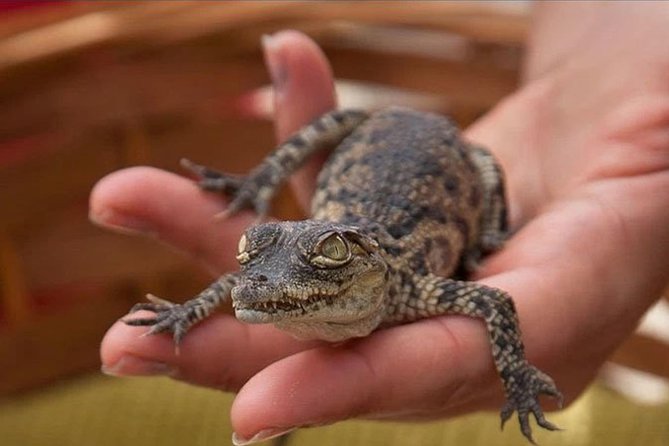
Bird feeding is repeatedly called out as a standout. It’s one of those moments that works across ages because it’s active. You’re watching behavior, not just looking at a still enclosure.
Bird experiences also tend to be easier for kids because you can point, ask questions, and move your attention without getting stuck in a long sitting session. If your group has one child who starts losing focus, bird feeding can “reset” the energy fast.
Tigers, monkeys, and the rest of the mixed cast
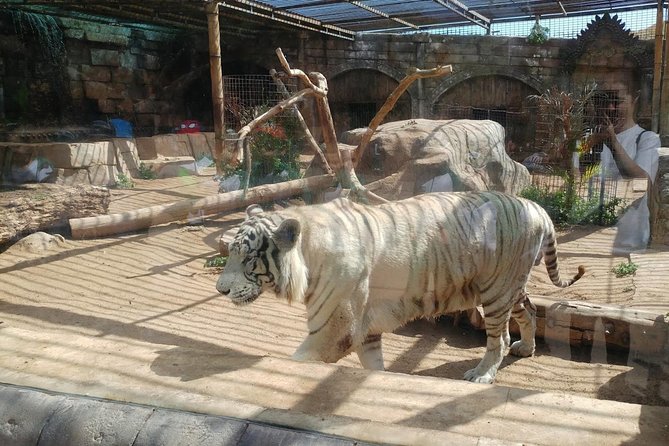
The park isn’t only reptiles. It includes larger animals and a long list of mammals and primates. Among the animals mentioned in the park descriptions and shared experiences are monkeys and chimpanzees, plus tigers.
One review highlighted seeing a tiger quite close, calling it breath-taking. That’s a reminder that the park’s layout can give you genuinely good viewing moments. Still, don’t assume every big cat or primate will be on display at peak times. If the tiger is your priority, give it multiple chances during your loop.
The monkey snack-bar: plan a break
Food isn’t included in the ticket price, but the park has what you need. The monkey snack-bar is part restaurant, part recovery stop. It lists:
- hot dogs
- smoothie options
- menus (more than just quick bites)
For a 4–6 hour visit, a planned break is smart. Heat and sun can sap energy faster than you think. Stopping for a drink and sitting for 10 minutes keeps the afternoon from feeling like a constant “walk, look, repeat.”
Comfort and heat: what to bring for a smoother day
Heat is the biggest practical concern. One of the criticisms focused on hot conditions and limited shade. That doesn’t mean your trip will be miserable. It means you should travel like you’re going to spend time outdoors.
Bring:
- sun protection (hat or cap, plus sunscreen)
- water (and a way to carry it)
- comfortable shoes for walking on paths that may have uneven spots
If someone in your group uses a wheelchair, there’s helpful real-world context in a review: uneven paths were noted. That doesn’t automatically rule out a wheelchair visit, but it does mean you should expect some rougher ground in parts of the park.
Is it worth it for families?
Yes, especially if your family likes variety and doesn’t need a mega-big city zoo. The park is described as a hit with kids and families, and people mention that it’s fun without feeling dragged out. The presence of feeding moments helps keep children engaged.
A good strategy with kids: treat the visit like a series of short missions. For example:
- Spot the animal types you can name
- Watch one feeding/show moment
- Take one “snack break” before everyone melts down
Also, remember the simple rule for families: children must be accompanied by an adult.
What the good reviews emphasize (and why that matters)
The most praised aspects connect to what you actually want from a half-day animal visit:
1) Friendly staff and clear explanations
People talk about helpful, friendly staff and the story side of the visit. That matters because it turns a collection of enclosures into something with context.
2) Feeding shows are a real highlight
Bird feeding and crocodile-related moments are repeatedly mentioned. If shows aren’t your thing, you might think this is just another walk. But if you enjoy active moments, you’ll likely feel the time passes better.
3) The park looks well cared for
Several comments praise how the grounds and animal areas look maintained. Even if you’re personally picky about enclosure style, a tidy, cared-for environment usually makes you more comfortable staying longer.
The main drawbacks to consider before you go
Let’s be fair: not every experience lands the same for everyone.
- Heat and shade limits can be real. If you’re visiting during a strong sun period, expect to feel it and plan shade breaks.
- Perceived enclosure space. Some people felt certain areas seemed small or run down. That doesn’t mean the whole park is like that, but it’s a heads-up if you’re expecting a modern, spacious zoo-style setup everywhere.
- Transport can be tricky depending on where you’re staying. The park is near public transport, yet some people needed taxis from farther areas.
- Specific expectations (like seeing certain younger animals) may not match what you imagined from a photo or a story. Go for the full visit, not one target sighting.
- Sound and commentary clarity can be an issue for non-native speakers. One note mentioned that the commentator’s voice could be hard to follow at fast pace, depending on language and audio.
My take: should you book this Cocodrilo Park admission ticket?
Book it if you want a low-cost, family-friendly animal outing with lots of species and frequent feeding/show moments. At $11.49, the ticket price is reasonable for the length of time you get and the fact that you’re not just walking past animals—you’re also catching active events and explanations.
Skip (or at least think twice) if you:
- strongly prefer lots of shade and fully climate-controlled comfort
- need an ultra-modern zoo setup everywhere, with very roomy enclosures
- hate outdoor heat and don’t want to plan for it
If your group loves animals, especially reptiles and birds, this is the kind of place where you’ll likely leave satisfied—even if you go in with a flexible mindset. You’re supporting a rescue-style approach, and that can make the visit feel more worthwhile than a simple sightseeing stop.