REVIEW · AMSTERDAM
Amsterdam: ARTIS Royal Zoo and ARTIS Groote Museum Ticket
Book on GetYourGuide →Operated by ARTIS · Bookable on GetYourGuide
A zoo day in Amsterdam beats most plans. I love the chance to see newborn elephant calves and the way ARTIS Royal Zoo blends historic charm with hands-on animal encounters. The only real drawback is timing: this combo can feel like a sprint if you don’t plan your route and pace.
You’ll start with an easy canal-side arrival and then switch gears to the ARTIS-Groote Museum, Amsterdam’s interactive nature museum. I especially like that it’s not just animals on display, but nature explained through touch, smell, sound, and simple interactive ideas.
If you only care about one thing, you might find the mix of zoo plus museum a bit much in one day. But if you like variety, this ticket is a solid value for a full, thoughtfully designed experience.
In This Review
- Key things you’ll enjoy most
- A One-Day Combo That Feels Made for Walking Canals
- Entering ARTIS Royal Zoo: Historic, Central, and Easy to Navigate
- The Elephant Expedition and Newborn Elephant Calves
- Animal Highlights You Can Plan Around: Lemurs, Otters, Penguins, Lions
- Madagascar on Kerbertterras: A Smaller World With Big Logic
- The Planetarium and Why the Museum Is More Than a Break
- Tanja: Up Close and the Museum’s Hands-On Approach
- Timing Your Day: When to Visit Elephants and When to Slow Down
- Price and Value: Is $55 a Smart Use of Time?
- Who This Fits Best (and Who Might Want Something Else)
- Should You Book This ARTIS Ticket?
- FAQ
- Where is the meeting point for this ticket?
- What is included in the combo ticket?
- Is ARTIS Micropia included?
- What are the opening hours for ARTIS-Groote Museum?
- Can children enter for free?
- Is the experience wheelchair accessible?
Key things you’ll enjoy most

- Elephant-focused fun with the Elephant Expedition, foot trails, and elephant facts
- Real animal viewing at a historic, canal-side zoo in central Amsterdam
- Kerbertterras Madagascar area with ring-tailed lemurs, red ruffed lemurs, and turtles
- Small predators and side-by-side habitats like Asian small-clawed otters next to red pandas
- Interactive learning at ARTIS-Groote Museum through 1,000 large and small examples
- Planetarium included so you get space-science as part of the museum visit
A One-Day Combo That Feels Made for Walking Canals

This is a classic Amsterdam format: one day, two connected experiences, mostly on foot. ARTIS sits about 10 minutes from the city center and runs right beside a canal, so your walk through the grounds feels part of the neighborhood rather than a separate theme park bubble.
The ticket pairs two different styles of learning. The zoo is for watching animals up close and noticing patterns in behavior. The Groote Museum is for understanding nature in a more “science and senses” way, using interactive machines and activities that explain how humans fit into the living world.
Plan your expectations around the fact that it’s a full day. Zoo hours run from 9:00 a.m. to 5:00 p.m. (Nov 1 to Feb 28) or to 6:00 p.m. (Mar 1 to Oct 31). The museum opens at 10:00 a.m., with Thursday evenings open until 10:00 p.m., which can help if you want a slower pace.
Entering ARTIS Royal Zoo: Historic, Central, and Easy to Navigate
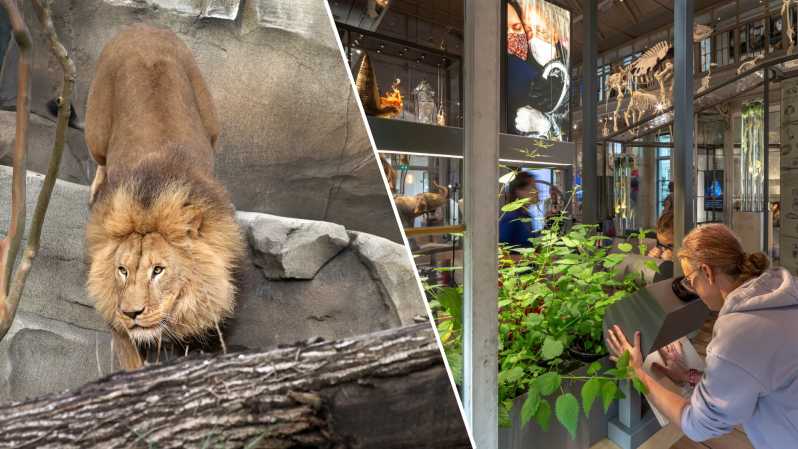
ARTIS Amsterdam Royal Zoo is the oldest zoo in the Netherlands, and it still feels like a real old park rather than a brand-new facility. It’s also a practical choice because it’s already in the city. You don’t need extra transport stress or time-consuming transfers to reach it.
A big early win here is the setting. You’ll be entering ARTIS along a canal edge, which makes the first part of your visit feel calm and scenic. From there, you’re guided naturally through historic monuments, flower gardens, and animal enclosures laid out in a way that supports gradual discovery.
If you’re traveling with kids, you’ll appreciate the free entry for ages 0 to 12 at the museum portion of the ticket later in the day. At the zoo, infants aged 0 to 2 can enter for free. That can quietly turn this into one of the better “family value” options in Amsterdam.
The Elephant Expedition and Newborn Elephant Calves
The elephant segment is the main event. The zoo experience you’re aiming for includes a special focus on the winter births of two elephant calves, plus elephant-themed activities like the Elephant Expedition. You follow foot trails, learn elephant facts, and work through an elephant code.
Why this matters for you: it changes your role from spectator to participant. Instead of only reading signs, you’re encouraged to connect what you see with what you’re learning. That’s a big difference in how the time passes, especially if you’re visiting with children who get bored quickly with static exhibits.
The newborn calves are also the kind of animal encounter that makes a zoo visit feel current and specific to this moment in time. The information given here points to them playing outside, so your odds of seeing active behavior are strong if you go earlier in the day rather than late.
One practical tip: go for elephants sooner than later. Even if the calves are out, animal routines shift. A morning visit usually gives you a better chance at both activity and easier viewing before crowds build.
Animal Highlights You Can Plan Around: Lemurs, Otters, Penguins, Lions
ARTIS is built to keep you moving without feeling forced. After the elephant focus, you can shift to a set of habitats designed to spotlight different animal worlds.
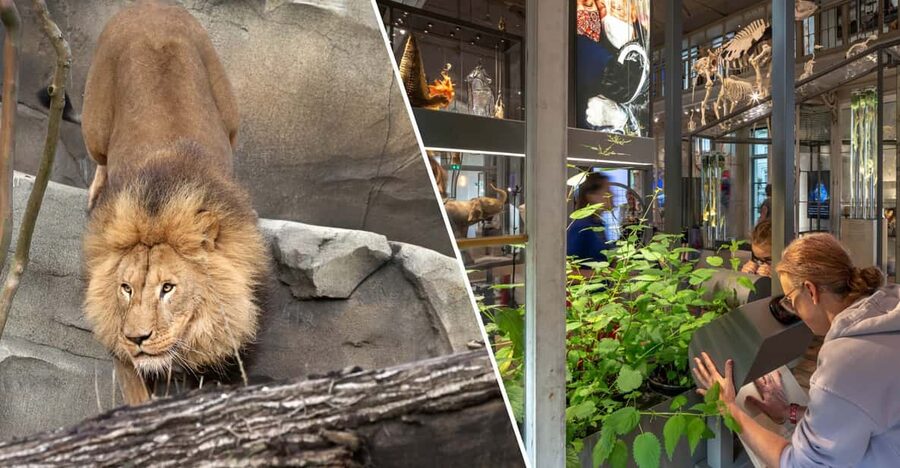
A standout is the renewed Kerbertterras, formerly the lion’s enclosure. The concept now is Madagascar at that location, with ring-tailed lemurs, red ruffed lemurs, and turtles living together. The value for you here is variety in one stop: you’re not just seeing one species, but observing how multiple animals share an environment.
Next, you can continue to the new Asian small-clawed otter enclosure, which is located next to the red panda habitat. That pairing is smart for your pacing because it gives you two different kinds of “watching.” Otters tend to reward patience, while red pandas are a slower, more curious observation experience.
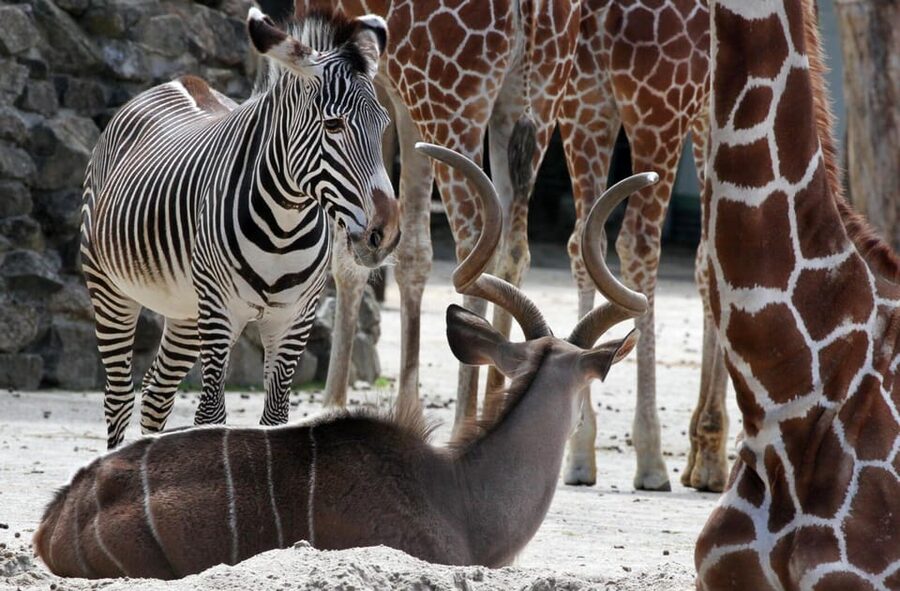
You can also build your day around the larger headline animals you’d expect at ARTIS, including Asian elephants, lions, Western lowland gorillas, and African penguins. If those species are your must-sees, start your visit with the parts that match your energy level, then fill gaps as you go.
Madagascar on Kerbertterras: A Smaller World With Big Logic

Kerbertterras is more than just a location name. The key point is that it’s a themed habitat that connects animals to a geographic idea, specifically Madagascar. When a zoo organizes enclosures like this, it helps you understand why different animals might share characteristics, climates, or behaviors.
For you, that means the visit can feel more like learning and less like ticking boxes. Seeing ring-tailed lemurs and red ruffed lemurs together also gives you a chance to notice how species within the same region can still behave differently.
If you like photography, this area is also a good place to slow down. Madagascar-themed setups often offer better “pause and observe” moments than fast transitions between unrelated enclosures.
The Planetarium and Why the Museum Is More Than a Break

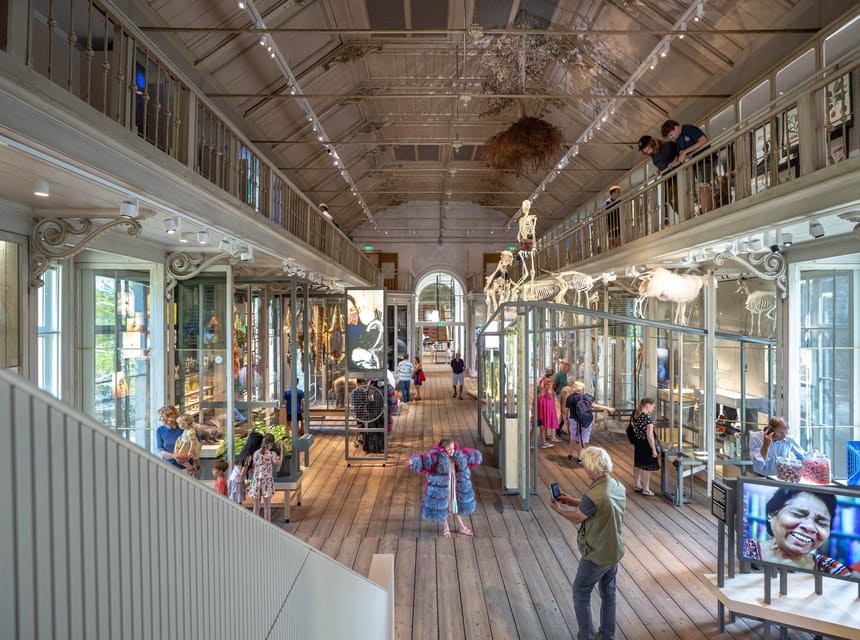
After the zoo, you’ll switch from animal viewing to natural-world exploration. ARTIS-Groote Museum is Amsterdam’s interactive nature museum, and it’s located on Artisplein next to the Chilean flamingos. That placement matters because it makes the transition feel connected rather than like a separate commute.
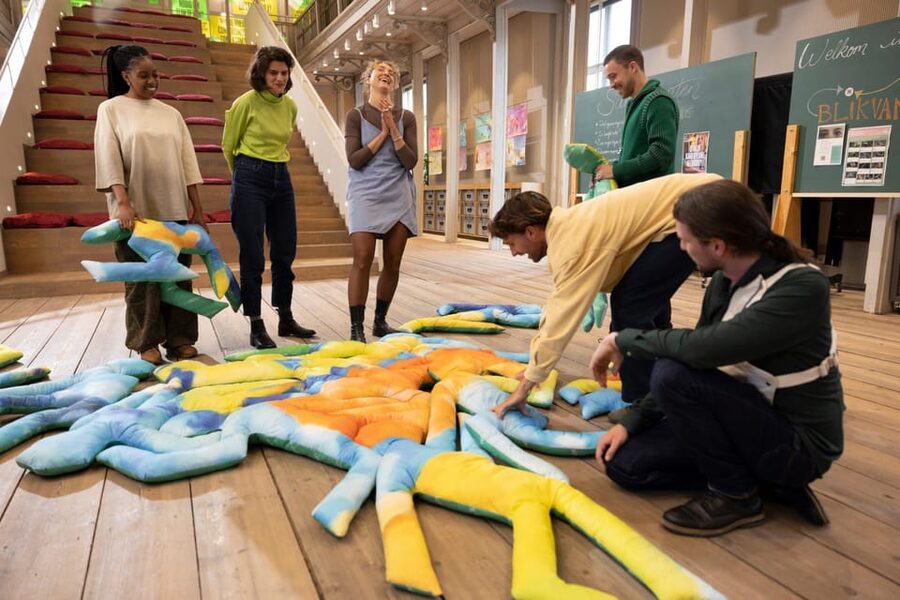
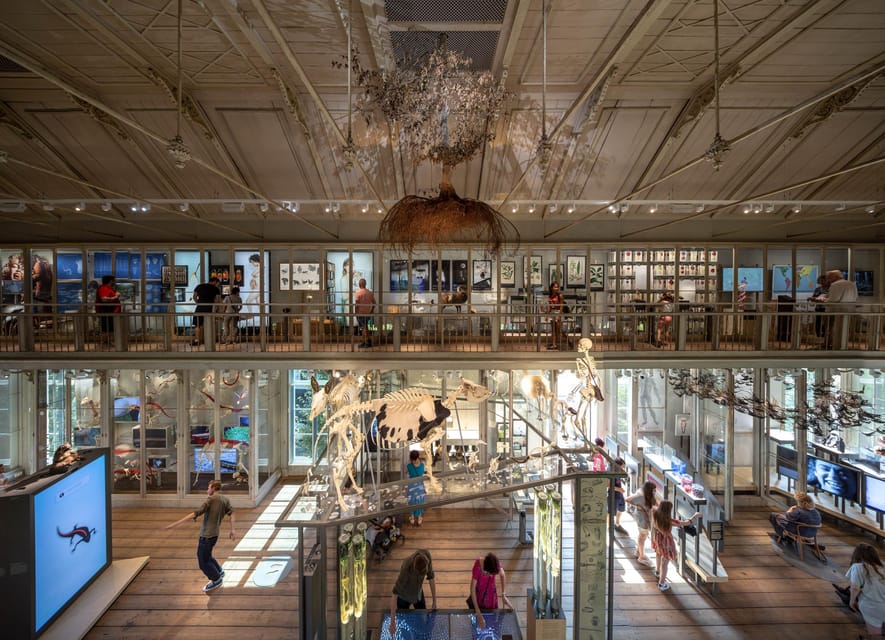
Inside, the museum focuses on your relationship with nature. The experience is built around senses—touching, smelling, listening, and observing—so you’re not just reading. You’ll also find interactive machines, plus art, sounds, and scents that help you remember what you learned.
A key reason this works well on the same day as the zoo is that it answers questions the zoo quietly creates. After you’ve watched animals, you start wondering how humans, animals, plants, and microbes form one ecosystem. That’s exactly the idea the museum pushes, using “1,000 large and small examples” to show similarities across life.
The Planetarium is included with admission, which is a strong add-on. Space is a different topic than a zoo, but it supports the same theme: your place in the universe, and how small our planet is within a bigger system.
Tanja: Up Close and the Museum’s Hands-On Approach
One of the listed museum highlights is the exhibition Tanja: Up Close, about Amsterdam’s most famous hippopotamus. That’s a great bridge between the zoo and museum mindset. You already have the animal-focused attention from ARTIS Zoo, and the museum gives you a more explanation-driven layer on top.
The museum’s core promise is learning through direct interaction. You’ll discover how ecosystems connect, and you’ll explore ways humans are part of nature rather than separate from it. That framing is useful because it changes the emotional tone of a zoo visit. Instead of leaving with only cuteness, you leave thinking about systems and relationships.
You’ll also run into the kind of questions that stick: trees communicate with each other, and babies can move in ways similar to crocodiles. Those are the types of facts that make you see animals differently when you return to the zoo later or just when you step back out onto the street.
Timing Your Day: When to Visit Elephants and When to Slow Down
This is where you can make or break the experience. The zoo is open daily, but the hours shift by season. The museum runs 10 a.m. to 5 p.m., and it opens late on Thursdays until 10 p.m., which can help if you want a calmer final stretch.
Here’s a practical rhythm I recommend:
- Go to the elephant-focused areas earlier in the day, when activity tends to be higher and your viewing is less crowded.
- Midday, work your way through Kerbertterras and the Madagascar area, then continue to otters and red pandas.
- Later, take a museum break when you’ve worked up animal fatigue but still want to keep learning.
There’s also mention of an after-hour walk through the park where things get quiet and you can experience which animals become active at night. Since that’s described as an after-hour walk opportunity, you should check for the times on-site and only plan around it if the schedule fits your energy level and the day’s operations.
Your reward for doing this right is a zoo visit that doesn’t feel chaotic. You get both the active animal viewing and the calmer, slower mood changes that happen as the day moves on.
Price and Value: Is $55 a Smart Use of Time?
At about $55 per person, you’re paying for two full admissions: ARTIS Amsterdam Royal Zoo and ARTIS-Groote Museum. That matters because you’re not choosing between “animals” and “learning.” You’re getting both in one ticket format, and the museum adds Planetarium value inside the same admission.
What you are getting:
- Admission to ARTIS Royal Zoo
- Admission to ARTIS-Groote Museum
- Planetarium included with admission
- Extra elephant-themed activities and nature-focused interactive exhibits
What you should watch out for:
- ARTIS Micropia is not included
So the value depends on what you want most. If your priorities are elephants, classic zoo highlights, and an interactive nature museum, this ticket looks like a fair match for the cost. If Micropia is a must for you, you’d need to plan for that separately.
For families, the value can improve. Groote Museum has free entry for children 0 to 12, and infants 0 to 2 can enter for free at the zoo. That makes the $55 price feel less painful across a group.
Who This Fits Best (and Who Might Want Something Else)
This experience fits best if you like animals but also like explanations, not just observation. The museum portion makes it especially good for kids who need stimulation and adults who enjoy practical facts about ecosystems and life connections.
It’s also a good choice if you want something near the center of Amsterdam. You’ll avoid long travel days and can roll right into museum learning without a big logistics headache.
You might rethink the combo if you prefer one single focus. A serious zoo-only traveler might skip the museum and spend more time elsewhere in ARTIS. A museum-only traveler might consider only Groote Museum to reduce walking and time pressure.
Still, for most visitors, the mixed format is the point. You come in watching animals and you leave understanding the system behind the animals.
Should You Book This ARTIS Ticket?
Book this if you want a full, well-rounded Amsterdam day: a historic zoo in a central canal setting plus an interactive nature museum with the Planetarium included. The elephant focus, the Madagascar area on Kerbertterras, and the hands-on Groote Museum make it a practical way to spend one day without feeling like you’re doing only one type of attraction.
Skip or adjust if you’re only interested in one style of attraction. Also double-check your must-see list if you care about Micropia, since it’s not included in this combo.
If you go in with a simple plan—elephants earlier, museum later—you’ll likely get the best of both worlds: animal moments and learning moments, all in one smooth day.
FAQ
Where is the meeting point for this ticket?
You should arrive directly at ARTIS – Groote Museum.
What is included in the combo ticket?
Admission to ARTIS Amsterdam Royal Zoo and admission to ARTIS Groote Museum.
Is ARTIS Micropia included?
No. Admission to ARTIS Micropia is not included.
What are the opening hours for ARTIS-Groote Museum?
ARTIS-Groote Museum is open daily from 10 a.m. to 5 p.m. It is also open every Thursday until 10 p.m.
Can children enter for free?
Yes. Children age 0-12 can enter for free at ARTIS-Groote Museum. Infants age 0-2 can enter for free at ARTIS Amsterdam Royal Zoo.
Is the experience wheelchair accessible?
Yes. ARTIS is wheelchair accessible. Wheelchairs are available at ARTIS Amsterdam Royal Zoo, and reservation is not required.