REVIEW · AMSTERDAM
Amsterdam: Art Zoo Museum Entry Ticket in a Canal House
Book on GetYourGuide →Operated by Art Zoo Museum · Bookable on GetYourGuide
A 17th-century canal house plus animal art. That mix is exactly why Art Zoo Museum feels memorable, with lifelike taxidermy theatre by Darwin, Sinke & Van Tongeren and a free self-guided audio tour that helps you slow down and look properly. One heads-up: the museum is small, so if you expect wall-to-wall galleries, you may finish faster than you pictured.
You’re walking through a modern take on a traditional cabinet of curiosities. Expect dramatic scenes with birds, snakes, crocodiles, and even a T.rex-style presence, all presented like classic still lifes. It’s a place for cameras (no flash) and comfortable shoes, but it’s also a place with strict rules: don’t touch the exhibits, and keep food and drinks out.
In This Review
- Key Things You Should Know Before You Go
- Art Zoo Museum in a Canal House: The Cabinet-of-Curiosities Feeling
- The Star Attraction: Taxidermy Art by Darwin, Sinke & Van Tongeren
- Crocodiles, Tulips, and a T. rex Moment That Stays With You
- 17th-Century Dutch Still-Life Inspiration, Rewired for Animals
- Use the Audio Tour to Slow Down (Don’t Speed Through It)
- The Historic Garden and Italian Bar: A Place to Recharge On Your Terms
- Rules That Affect Your Experience: No Flash, No Touch, and What Not to Bring
- Getting Around a Historic Canal House: Plan for Limited Accessibility
- Timing It Right: How to Make Two Hours Feel Enough
- Price and Value: Is $20 Worth It?
- Who This Museum Suits Best (And Who Might Skip It)
- Should You Book Art Zoo Museum in Amsterdam?
- FAQ
- Where is Art Zoo Museum located?
- How much is the ticket?
- How long is the visit?
- Is a guided tour included?
- What languages is the audio tour available in?
- Is food or drinks included with admission?
- Can I take photos?
- Are pets allowed inside?
- Are the animals from the wild?
- Is it suitable for wheelchair users?
Key Things You Should Know Before You Go
- Small-but-detailed size: plan on about two hours and don’t over-schedule your day.
- Taxidermy art with a clear ethics note: nothing came from the wild, and animals died of natural causes.
- Self-guided audio does the heavy lifting: English and Dutch are available, plus other languages.
- Photo-friendly lighting: directed illumination helps artwork look great on camera (without flash).
- No-touch, no-flash rules: you’ll get better shots and keep the art safe for everyone.
Art Zoo Museum in a Canal House: The Cabinet-of-Curiosities Feeling
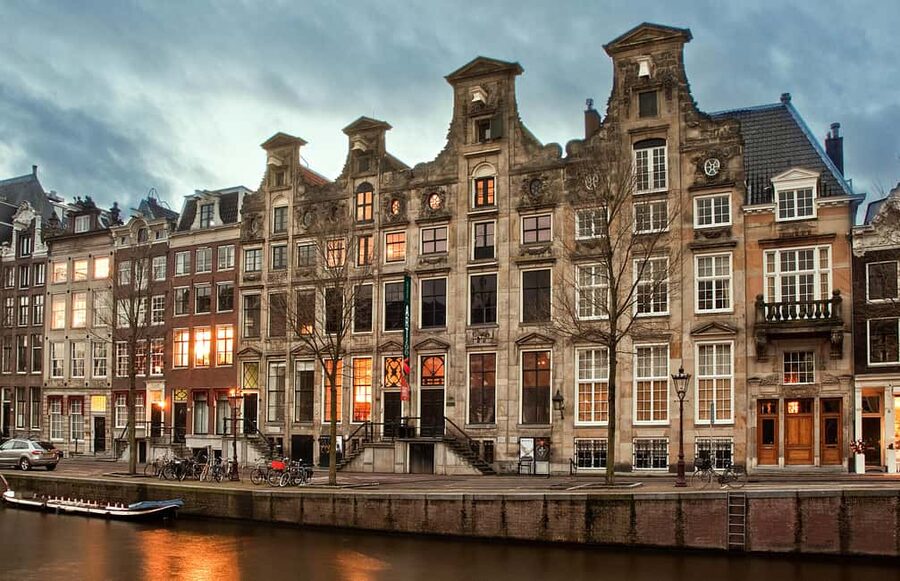
Art Zoo Museum sits in a historic 17th-century canal house in Amsterdam’s canal belt area. That matters more than you might think. You’re not in a modern white cube where everything is neutral. The building’s character adds mood, and the exhibits feel like they belong inside a collection room from another era—just reinterpreted through animal-and-nature art.
The concept is simple and clever: you’re seeing nature through art objects, not nature documentaries. Think still-life energy, museum display discipline, and theatrical animal presence all in one ticketed stop. If you like art that tells a story with details you can notice in layers, this works.
One reason I like this format is pacing. You can spend real time with one scene, then move on when you feel ready. There’s no pressure to keep up with a group. The ticket also includes full access to the exhibits, so you’re free to choose your own route through the museum.
The Star Attraction: Taxidermy Art by Darwin, Sinke & Van Tongeren
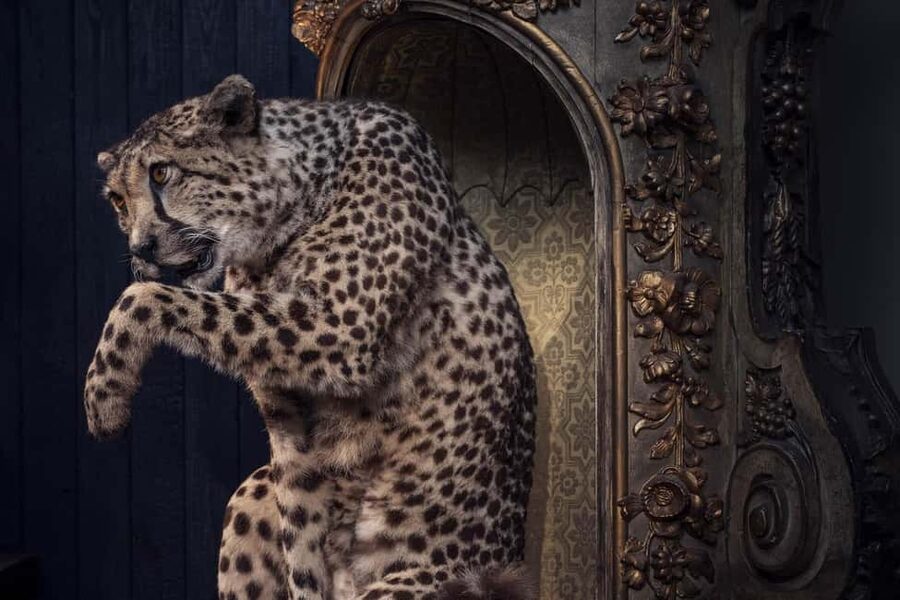
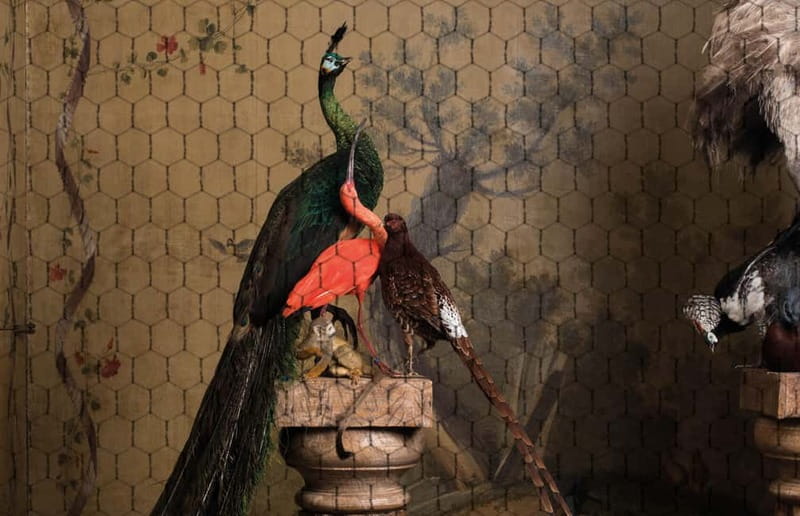
The museum’s core focus is dramatic taxidermy artwork by the artists Darwin, Sinke & Van Tongeren. The pieces are built to feel almost alive—feathers with shimmer, muscles with tension, and eyes that look too real for comfort. That’s the point. It turns natural history specimens into a kind of theatre stage, where you’re the audience.
I also appreciate the museum’s clarity around how these animal works exist. Their golden rule is spelled out:
- The animals were preserved or collected by taxidermy artists Darwin, Sinke & Van Tongeren.
- None of the animals came from the wild.
- None of the animals were bred specifically for Art Zoo Museum.
- All animals died of natural causes.
That doesn’t erase the emotional punch of seeing lifelike animals in art form. But it gives you context so you’re not guessing. You’re walking through a crafted exhibition, not a mystery about sourcing.
If you’re sensitive to taxidermy, go in knowing what you’ll see. If you’re the curious type who likes unusual art hybrids—nature plus theatrical craft—this is the main reason to book.
Crocodiles, Tulips, and a T. rex Moment That Stays With You
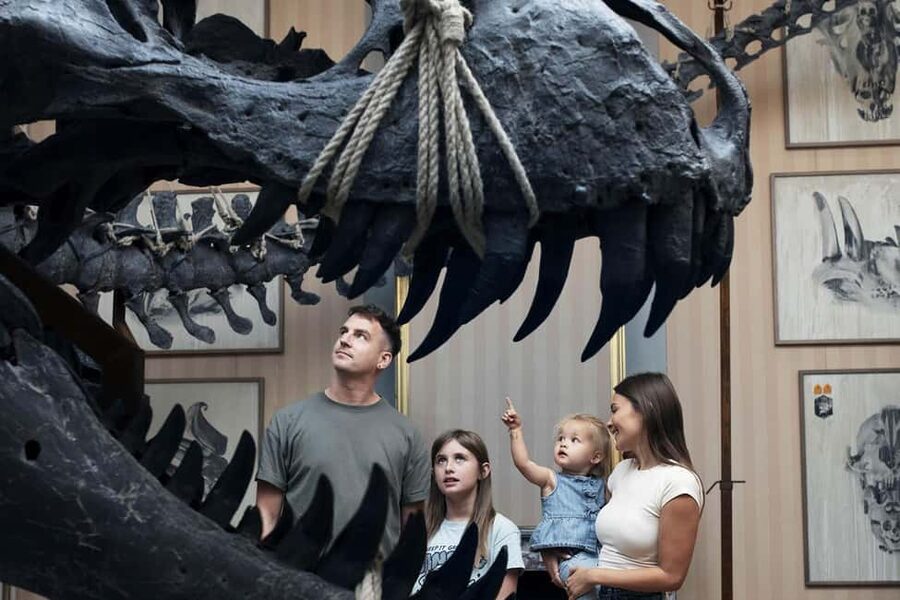
The museum mixes animal subjects with nature themes in a way that feels playful, even when the animals look serious. You might see crocodiles, colorful birds, snakes, and tulip-like references woven into the overall aesthetic. And yes, there’s a T. rex-style presence that creates an instant wow factor.
Here’s how I’d describe the effect: it’s not a zoo experience, and it’s not a science museum either. It’s closer to an art display where biology is the language. The work borrows a visual tradition from 17th-century Dutch art, then uses contemporary presentation to make it feel like the animals could shift position at any moment.
If you love photography, this section is where you’ll want your camera ready. The lighting is directed so the artworks photograph well, and the museum’s rules mean you’re not distracted by flashes ruining the mood. (More on that below.)
17th-Century Dutch Still-Life Inspiration, Rewired for Animals
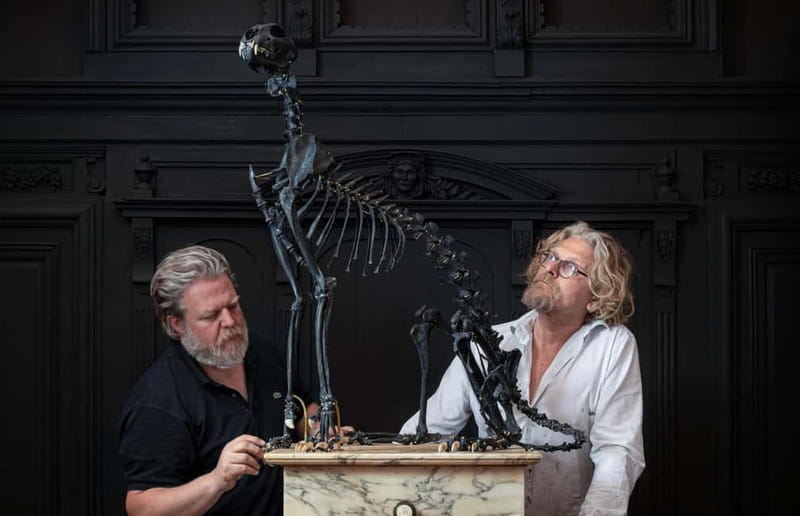
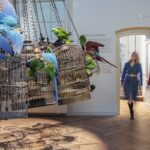
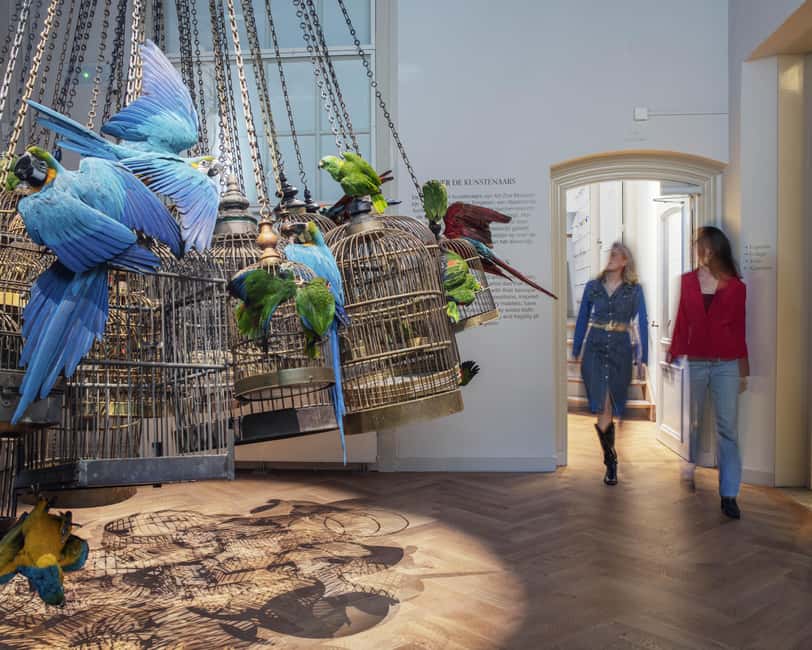
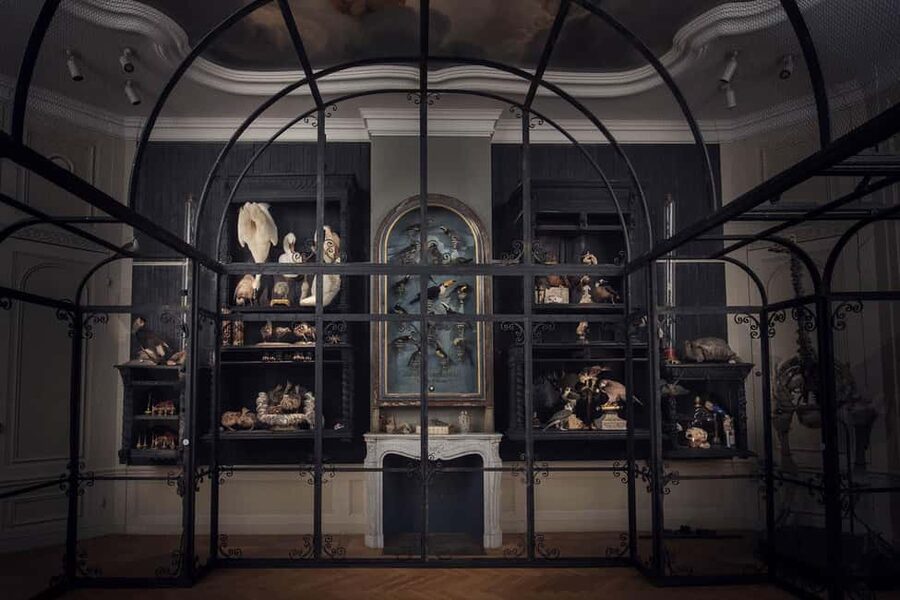
A big part of the experience is seeing how animals are presented like classical compositions. Large aviary-style areas let you view animals arranged with still-life discipline—like you’re looking at a painting that happens to move through space.
This is where the cabinet-of-curiosities idea becomes more than a theme. You’re seeing how Dutch masters used composition, symbolism, and detail to make nature feel meaningful. Art Zoo Museum takes that approach and translates it into 3D display.
I like this because it gives you something to look for besides the obvious wow factor. Instead of only staring at animals, you notice the choices: how the scene is staged, how the colors work together, and how each display guides your eye. If you’ve ever loved museum objects that reward close looking, you’ll probably enjoy it here.
Use the Audio Tour to Slow Down (Don’t Speed Through It)
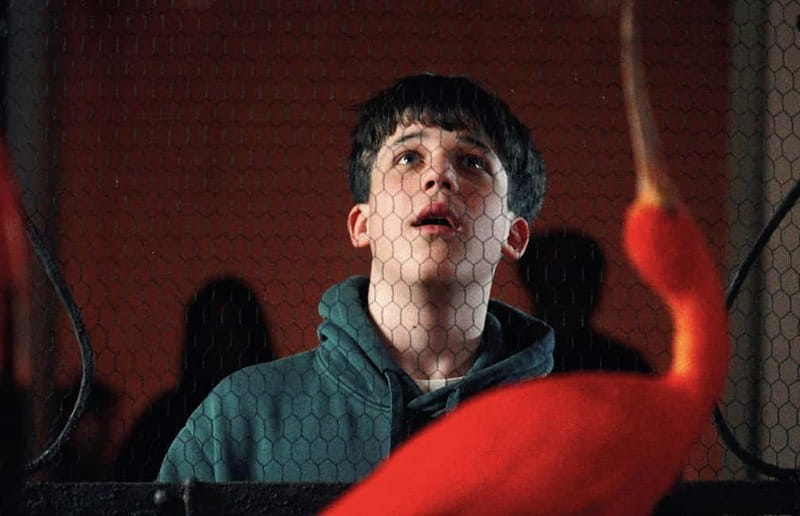
Your ticket includes a free self-guided audio tour. It’s available in many languages, including English and Dutch, plus additional options like French, Spanish, Italian, Japanese, Arabic, Russian, and Chinese.
I’m a fan of audio tours when they do one key job: they help you see what you’d otherwise miss. That’s exactly how I’d use this one. Instead of walking straight through, let the audio set a rhythm. Stop when a track prompts you to look longer. That’s how the details land.
A small-but-important point: the museum is not huge. That’s great for efficiency, but it means your experience can turn into a quick pass if you don’t engage with the audio. If you want the art to feel like it has depth, take the time to listen.
The Historic Garden and Italian Bar: A Place to Recharge On Your Terms
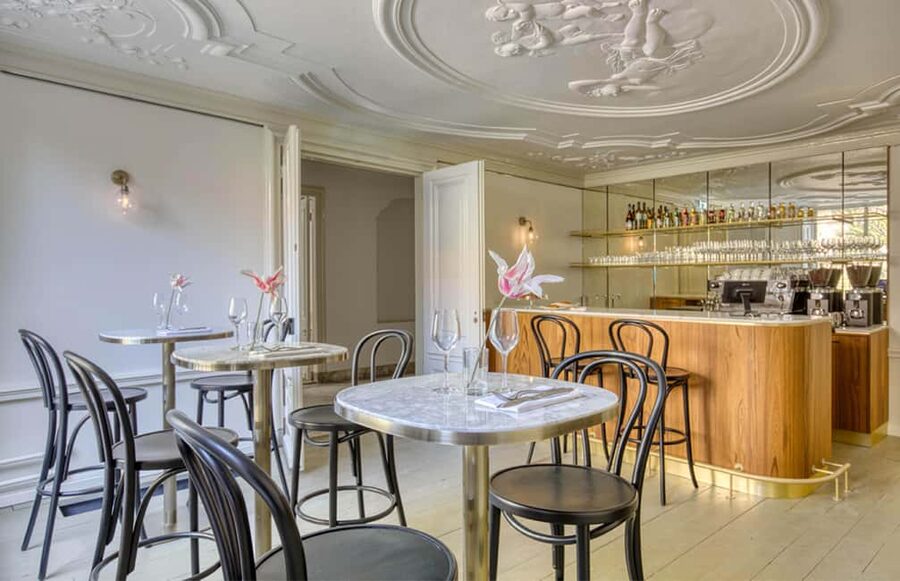
This is the part I’d plan for, even though it’s not included in the ticket. There’s a historical garden area and an Italian bar where you can grab lunch and drinks. If you’re in Amsterdam for canals, bikes, and walking, this becomes a welcome reset.
Why it’s worth building time for: the museum is compact, so having an option to linger nearby keeps the day from feeling rushed. The café/bar area gives you an easy transition point between close-looking in art galleries and normal human needs—like sitting down for a bit.
Food and drinks aren’t included with admission, so budget for it separately. But having on-site options makes this stop fit smoothly into a typical Amsterdam itinerary.
Rules That Affect Your Experience: No Flash, No Touch, and What Not to Bring
Art Zoo Museum has clear rules, and they shape your visit in practical ways:
- No flash photography. You can take photos, but keep the camera settings friendly to the room’s lighting.
- Do not touch the exhibits. The art is part of the attraction. The museum asks you to look, not interact.
- Food and drinks aren’t allowed inside. Plan your snacks for elsewhere, like the garden/Italian bar area.
- No selfie sticks. If you use one, leave it at home.
- No pets, except assistance dogs.
- No weapons or sharp objects.
- No alcohol and drugs.
I’d also take the “what to bring” list seriously: comfortable shoes and a camera. The first one is obvious in Amsterdam. The second one matters because photo opportunities are a big part of the appeal here.
And one more straight talk point: people with animal allergies may want to skip this. The museum’s focus is animals and nature themes, so if allergies are a concern, don’t gamble.
Getting Around a Historic Canal House: Plan for Limited Accessibility
Because the museum is in a historic canal house, accessibility may be limited for people with mobility impairments. It’s also listed as not suitable for wheelchair users.
So if you rely on a wheelchair or have trouble with stairs or tight interior movement, check carefully before you go. For many people without mobility issues, the canal-house setting is charming. For others, it can be a real constraint—so treat it as a deciding factor, not an afterthought.
Timing It Right: How to Make Two Hours Feel Enough
The entry ticket is valid for two hours from first activation. That sounds short until you remember how compact the museum is. In practice, you’ll likely hit the main displays quickly, then have the option to return to the scenes that grabbed you.
Here’s the best way to use your time:
- Start with your audio tour early so you don’t forget context later.
- Don’t rush the taxidermy scenes. That’s where the museum’s craftsmanship is most intense.
- If you’re taking photos, do it with intention. Find one angle, then change position rather than snapping everything at once.
Because there’s a café/garden option on-site (not included), you can also decide if you want your lunch first or after your visit. If you’re the type who likes a clear flow, consider museum first, then sit down.
Price and Value: Is $20 Worth It?
At about $20 per person, the value depends on what you want from your Amsterdam day.
It’s good value if you like:
- art that’s weird in a thoughtful way,
- close looking,
- natural history themes presented as sculpture and theatre,
- and the convenience of a self-guided audio tour in multiple languages.
It’s less satisfying if you’re expecting a large, sprawling museum with endless rooms. This is a smaller stop. One person even compared it to the size suggested by photos and found a mismatch. That tells me to be honest with your expectations: come for quality and atmosphere, not quantity.
The audio tour helps justify the time. The exhibit craft does the rest. If you’re the kind of visitor who likes to linger, two hours can feel satisfying rather than rushed.
Who This Museum Suits Best (And Who Might Skip It)
This is a strong match for:
- art lovers who enjoy taxidermy as sculpture-like craft,
- people who like Dutch masters-inspired composition and animal-nature themes,
- families with kids who enjoy seeing surprising displays (there’s at least one family-friendly note from a booking that went well with children).
You should think twice if:
- you have concerns about taxidermy and lifelike animal displays,
- you have animal allergies,
- wheelchair access is required,
- or you hate museums that follow strict rules like no touching and no flash.
If you’re in Amsterdam and looking for a canal-house experience that’s unusual without being chaotic, this fits the bill.
Should You Book Art Zoo Museum in Amsterdam?
I’d book it if you want a compact, high-impact museum stop where the setting is as part of the experience as the art. The combination of a historic canal house, taxidermy theatre by Darwin, Sinke & Van Tongeren, and a self-guided audio tour makes it easy to see the work the right way—at your pace.
I’d skip or reconsider if you need wheelchair-friendly access or if you strongly dislike taxidermy imagery. And if you’re the type who needs a big-ticket museum day with lots of rooms, manage expectations: this one is small, so build your schedule accordingly.
One more practical tip: wear comfy shoes and plan your food outside the exhibits. Then you’ll get the best of both worlds—art first, and a calm sit-down afterward.
If you like flexible planning, the ticket option includes reserve now & pay later and free cancellation up to 24 hours in advance, which makes it easier to slot into a day without stress.
FAQ
Where is Art Zoo Museum located?
It’s in Amsterdam, North Holland, inside a historic 17th-century canal house.
How much is the ticket?
The ticket price is $20 per person.
How long is the visit?
Your entry is valid for 2 hours from the first activation.
Is a guided tour included?
No live guide is mentioned. Your ticket includes a free self-guided audio tour.
What languages is the audio tour available in?
The audio tour is available in multiple languages, including English and Dutch.
Is food or drinks included with admission?
No. Food and drinks are not included in the ticket.
Can I take photos?
Yes, photography is allowed, but flash photography is not permitted.
Are pets allowed inside?
Pets are not allowed, but assistance dogs are allowed.
Are the animals from the wild?
No. The museum states none of the animals came from the wild, none were bred specifically for the museum, and all animals died of natural causes.
Is it suitable for wheelchair users?
No. The information provided says it is not suitable for wheelchair users, and accessibility may be limited because it’s in a historic canal house.