REVIEW · SYDNEY ZOO
Sydney Zoo Admission Ticket
Book on GetYourGuide →Operated by Sydney Zoo Pty Ltd · Bookable on GetYourGuide
Sydney Zoo is a big zoo day, but it doesn’t feel like a slog. It’s designed around walkable paths (no hills, no steps) and smarter ways to learn, including Bungarribee Dreaming and tech-led animal encounters. You get a full day at a place that mixes world animals with a strong focus on First Nations learning and conservation.
I love the mix of habitats and themes: the African Boardwalk for savannah-style viewing, then Primate and south-east Asia areas for a real change of scenery. I also really appreciate the sheer scale—over 4,000 animals—and the fact it’s the only combined zoo and aquarium in NSW.
The main drawback is simple: Eastern Creek is far out. If your transport costs (or commute time) are high, the day can feel less worth it even with a fair ticket price and free parking.
In This Review
- Key things to notice before you go
- Sydney Zoo in One Day: How the Day Feels
- Location, entry access, and why parking matters for value
- Bungarribee Dreaming: Aboriginal culture you can actually spend time with
- African Boardwalk: mixed-species savannah viewing that’s easy to enjoy
- Primate Boulevard and the south-east Asia route: where the shade and pacing help
- The zoo-and-aquarium combo in NSW: why it changes the kind of visit you get
- Reptile & Nocturnal House: the biggest indoor stop for a reason
- Animals, conservation, and what your ticket supports
- Comfort tips for a hot day: mist, shade, and dusty paths
- Price and logistics: is $38 worth it?
- Who this zoo day fits best
- Should you book Sydney Zoo admission?
- FAQ
- How much is Sydney Zoo admission?
- How long is the ticket valid?
- Where is Sydney Zoo located?
- What’s included with the admission ticket?
- What isn’t included in the ticket?
- How many animals does Sydney Zoo have?
- What Aboriginal culture experience is included?
- Is Sydney Zoo wheelchair accessible?
- What should I bring?
- What items are not allowed?
Key things to notice before you go
- Bungarribee Dreaming focuses on Aboriginal culture and learning, not just animal viewing
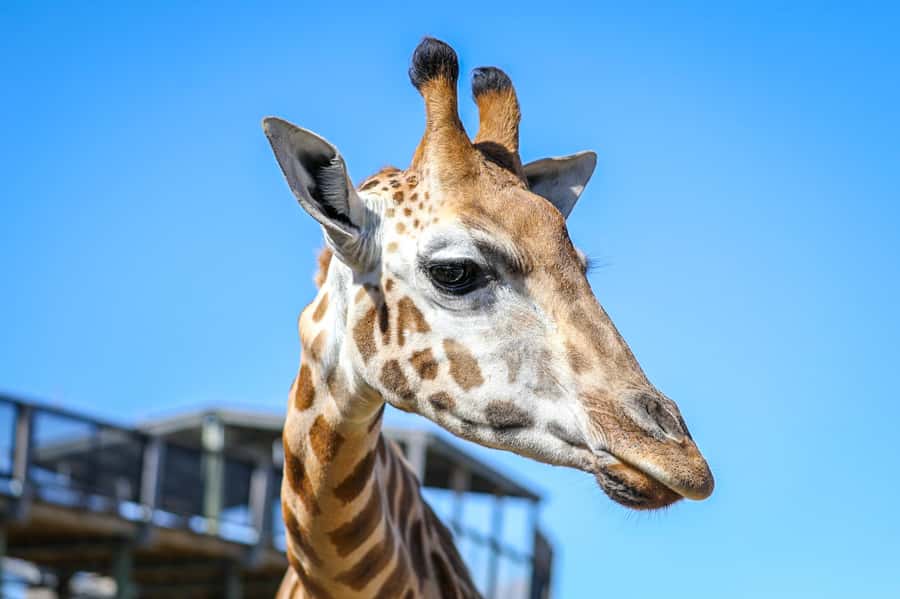
- African Boardwalk brings savannah scenes to life with mixed-species habitats
- Primate Boulevard is a steady, leafy route that makes it easy to pace yourself
- Reptile & Nocturnal House is the big indoor stop, and it’s the largest of its kind in the world
- No hills, no steps and wheelchair accessibility make moving around easier than many zoos
- Free on-site parking helps your budget if you’re driving out
Sydney Zoo in One Day: How the Day Feels
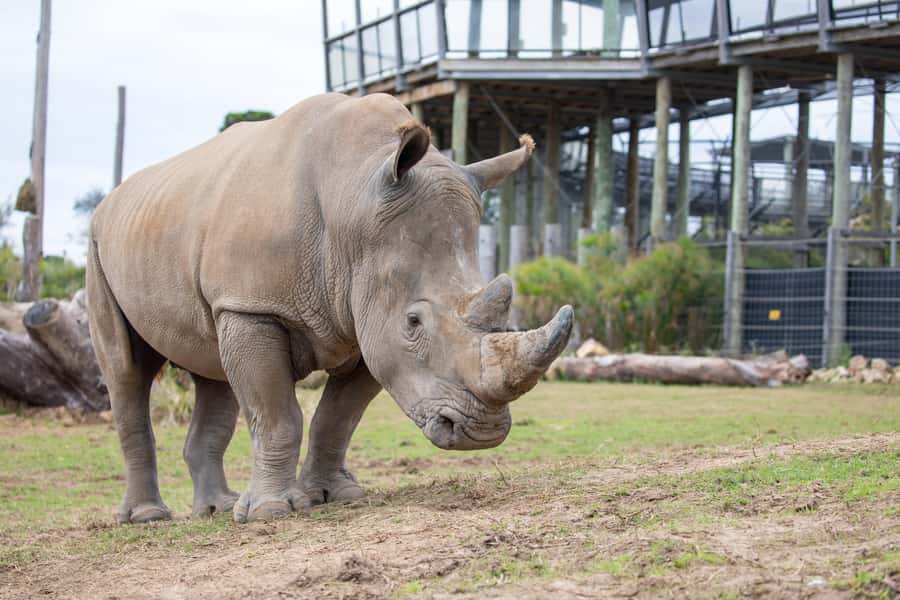
A one-day ticket is exactly the right length here. Sydney Zoo’s layout is built for strolling and re-strolling: you can do the day as a loop, slow down for the animals you care about, and still feel like you covered enough ground when it’s time to leave.
What makes this zoo worth your time is the structure. It’s not only a scatter of cages. The zoo is organized by zones and themes—so you’re not just walking from one enclosure to the next. You’re also moving through different animal worlds: African savannah scenes, primates along a leafy boulevard, and animals from south-east Asia. Add in the indoor Reptile & Nocturnal House, and you’ve got a nice rhythm for hot days too.
One more practical detail I like: the zoo is set up with no hills and no steps, which matters more than people think. It’s easier for families, easier if you’re with mobility aids, and just easier if you’re wearing shoes that aren’t built for steep grades.
Location, entry access, and why parking matters for value
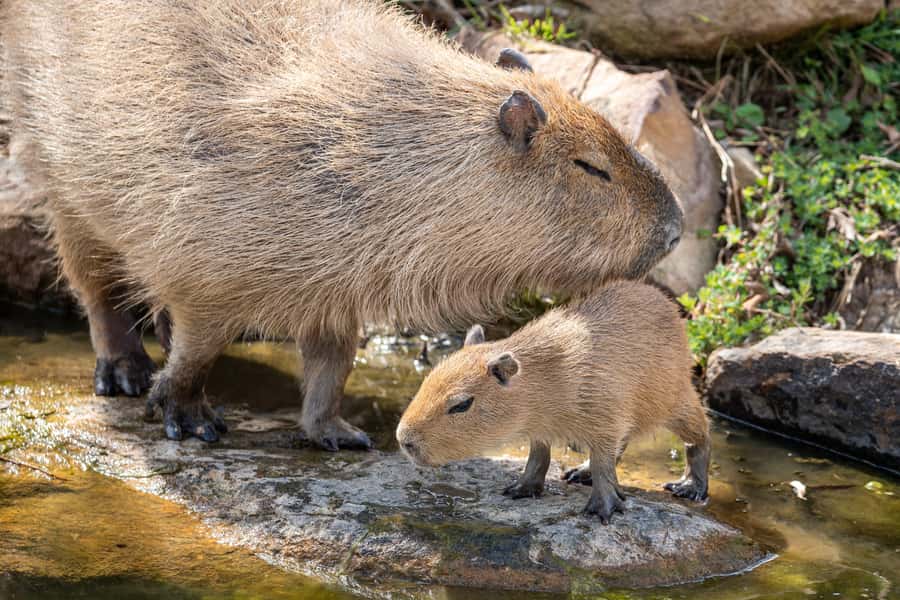
Sydney Zoo is in Eastern Creek, on the Great Western Highway, just off the M7 and M4 motorways. That’s convenient if you’re driving, but it can be a bit of a commitment if you’re coming in from central Sydney by public transport.
The good news for your budget: free on-site parking comes with your admission. At $38 per person, you’re paying for entry plus a major cost saver if you drive. If you’re relying on rideshare or a long bus plan, run the math early. The zoo is fun, but a costly commute can steal the value from the ticket.
Inside, the “how do I get in and start walking?” experience is designed to be straightforward. There’s an English host/greeter, and the rest is self-paced. You’ll want to use your entry time strategically—think of it as when you want to start your first zone, not when you must follow a strict schedule.
Bungarribee Dreaming: Aboriginal culture you can actually spend time with
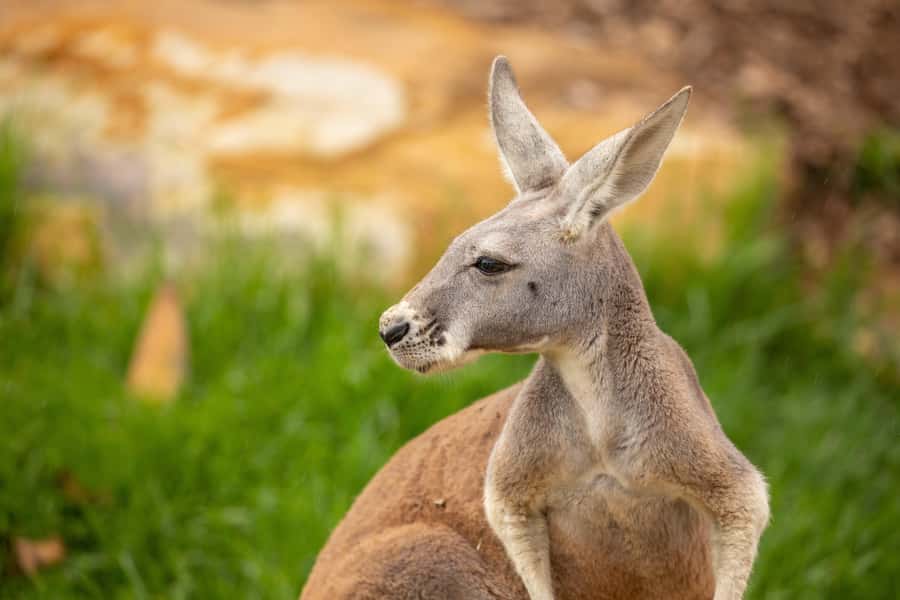
One of the standout parts of Sydney Zoo is Bungarribee Dreaming, a First Nations culture experience built into the visit. It’s not presented as a quick add-on. If you care about learning beyond animal facts, this is the place to slow down.
The zoo’s mission here is clear: it uses technology and innovation to improve guest engagement and help tell First Nations stories alongside the animal world. That combination matters. Animals can be the “wow,” but culture is the “why”—why the land, the knowledge, and the relationships matter.
Practical tip: give yourself time for this early or mid-day, depending on your energy. If it’s a hot day, indoor or shaded learning breaks can help you reset your stamina for the outdoor zones.
African Boardwalk: mixed-species savannah viewing that’s easy to enjoy
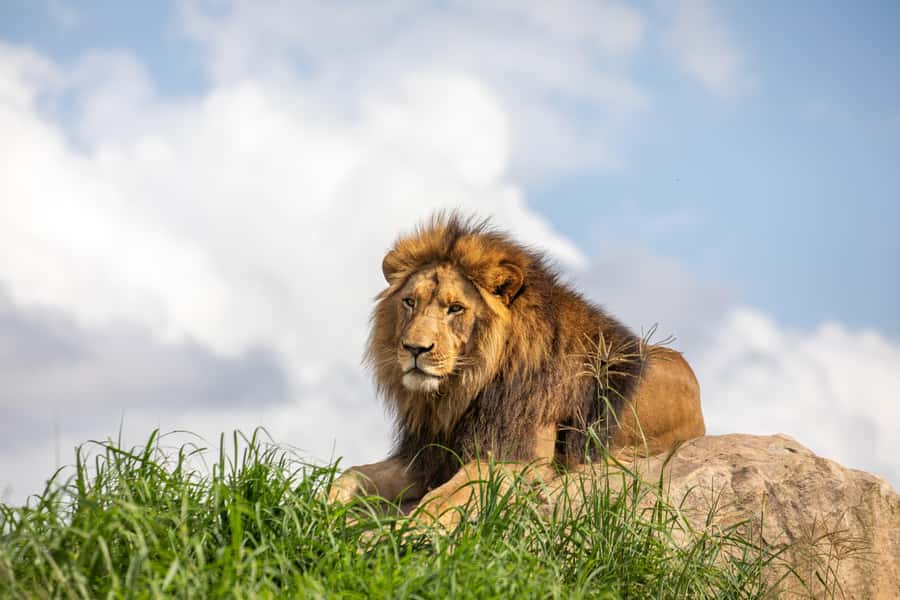
The African Boardwalk is one of the best places to start if you like immediate visual variety. It’s designed around savannah-style scenes with mixed-species habitats, so you’re not only looking at one animal at a time.
This zone also plays nicely with the way most people tour: you can wander, pause, backtrack a little, and still feel like you’re learning something each time you reposition your view. The boardwalk format helps too—your movement is predictable, and you’re less likely to zigzag randomly across the zoo.
What I like about this kind of habitat layout is the realism. Mixed species means you often get the sense of the environment working together, rather than a single animal “on display” in isolation. It also helps keep your attention if you’re going with kids or a group with mixed interests.
Primate Boulevard and the south-east Asia route: where the shade and pacing help
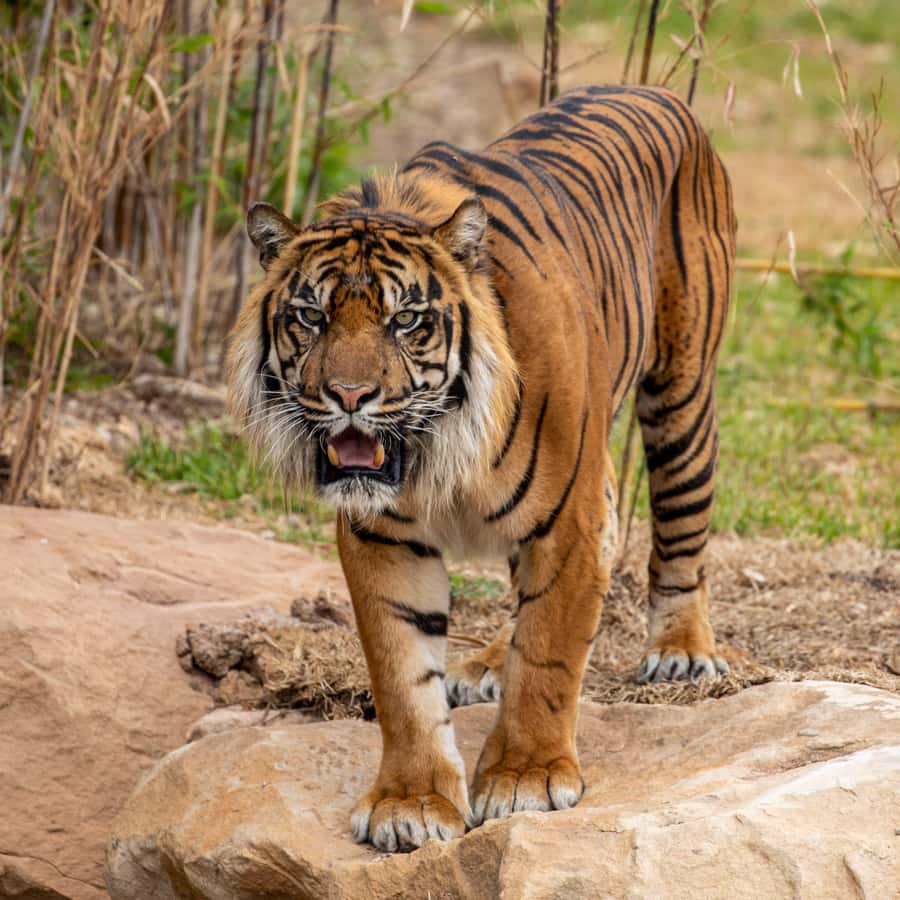
After the savannah-style area, the zoo continues into Primate Boulevard, described as leafy and walk-friendly. This is the part of the day where I think you should match your pace to what your body feels like.
Primates can be active at certain times and calmer at others, so you’ll get more out of the boulevard if you don’t rush it. Sit for a bit, watch movement patterns, and use the walkway flow to connect one animal viewing spot to the next.
Then comes the south-east Asia section, where you’ll find a set of animals themed to that region. The practical win here is variety: instead of repeating “another exhibit,” you get a change of mood and scenery as your day continues.
If it’s very hot, this is also where the zoo’s planning shows up. One thing you should know for summer: there are mist sprinkler areas and shaded sections that can make the day feel more manageable. Still, don’t assume every spot is equally cool—plan to use shade as it appears, and don’t wait until you’re exhausted to find it.
The zoo-and-aquarium combo in NSW: why it changes the kind of visit you get
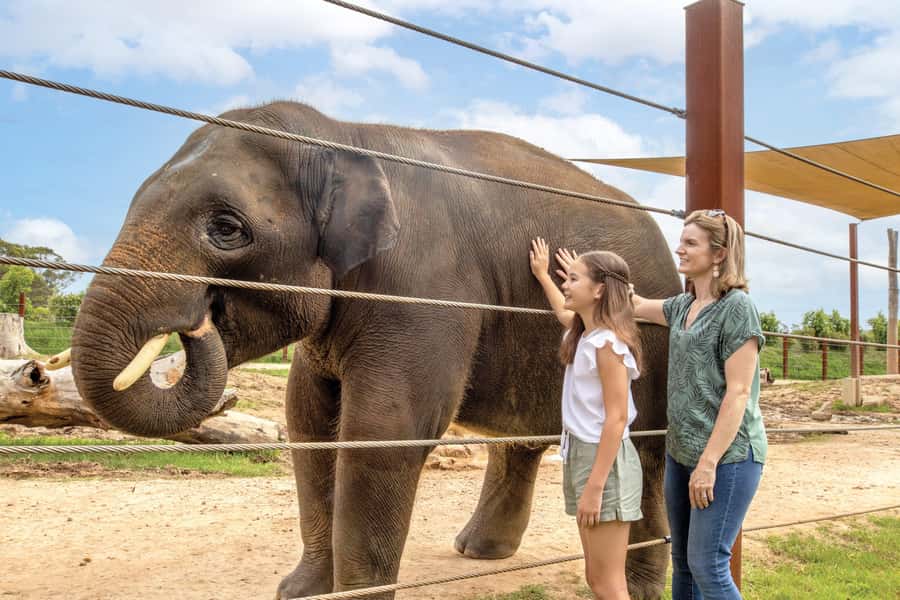
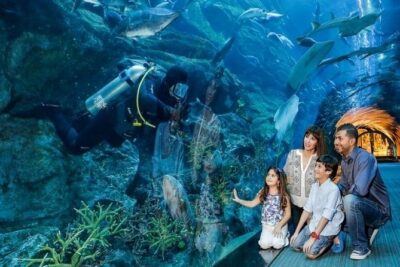
Sydney Zoo is the only combined zoo and aquarium in NSW, so you’re not choosing between two separate experiences. You get both styles of animal viewing in one day.
That matters because the viewing experience is different. Zoos often reward slow observation of land animals, while aquarium-style exhibits can change your pace—more time indoors, more time watching water movement, and often a calmer tempo. If you have anyone in your group who gets restless waiting for animals to move, switching between types of exhibits can help keep the day enjoyable.
Also, because it’s one ticket, you can follow your interests without needing a separate plan. It’s one of those “you don’t have to think about it” advantages, and that’s part of good value.
Reptile & Nocturnal House: the biggest indoor stop for a reason
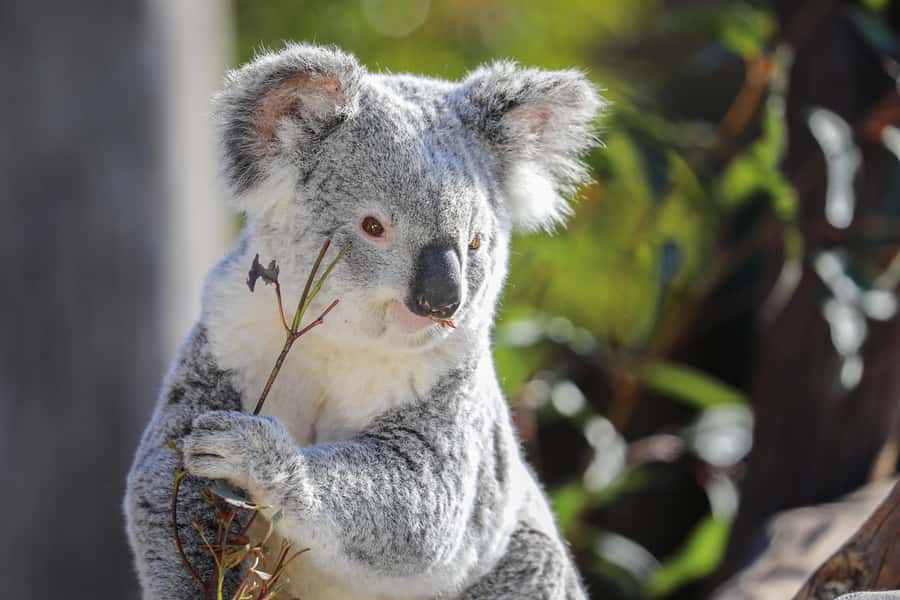
The Reptile & Nocturnal House is a major highlight, and it’s described as the largest Reptile & Nocturnal House in the world. Big indoor animal houses are often the key difference between a zoo that feels like a quick stop and a zoo that feels like a full day.
This kind of exhibit setup is useful for two reasons:
1) It gives you a structured shift away from outdoor heat.
2) Nocturnal and reptile viewing often rewards patience more than speed—so it’s a great time to slow down and actually look.
Keep in mind that a large indoor house can also mean crowds, so if you care most about seeing animals clearly (especially during busy periods), build in some flexibility. If one area is packed, move a little, then return when space opens.
Animals, conservation, and what your ticket supports
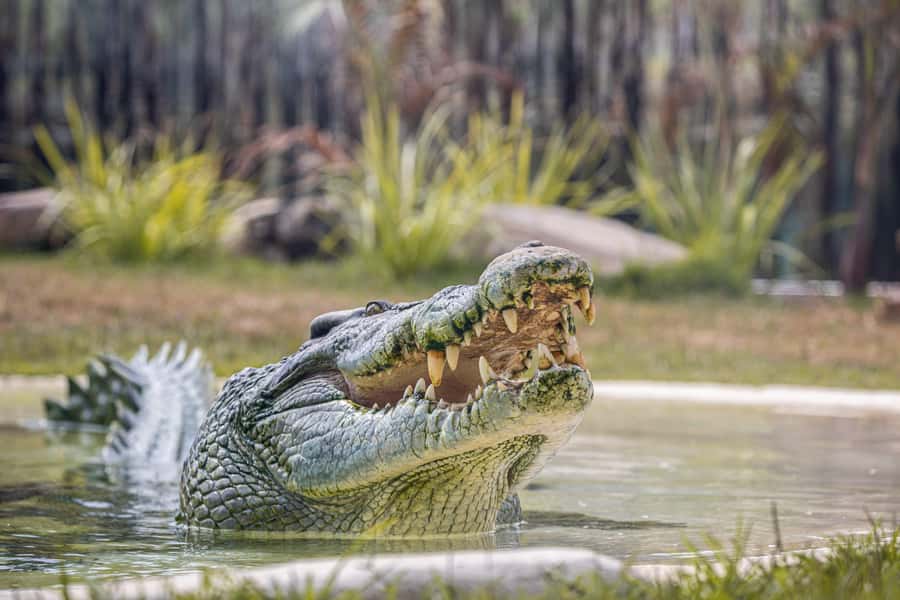
Sydney Zoo doesn’t market itself only as entertainment. Your admission supports long-term conservation and recovery programs, and the mix of animals includes both exotic species and native Australian animals.
I like that the conservation angle is built into the overall visit rather than tacked on with a few posters. When you see the variety of species—from region to region—it’s easier to understand why recovery programs matter. Your ticket becomes part of a bigger effort, not just your own viewing pleasure.
If you’re the type who wants your “fun” to have purpose, this is a good day. And if you’re traveling with kids, conservation messaging is often easier to accept when it’s tied to animals they can see and learn about right there.
Comfort tips for a hot day: mist, shade, and dusty paths
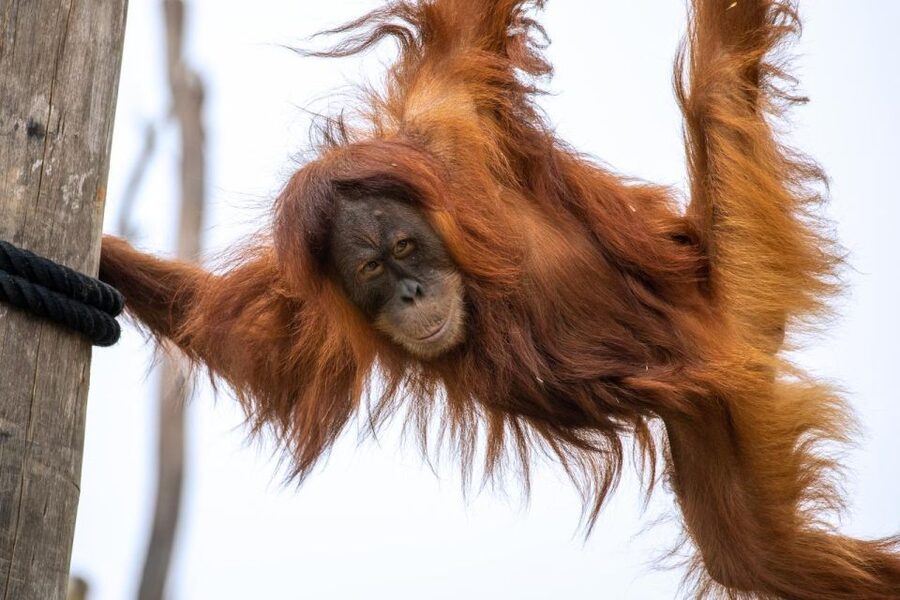
One practical reality: Sydney Zoo can be a hot-day kind of outing, and you’ll want to plan like it is. The zoo has mist sprinkler areas and shaded sections that can cool you down, which is a genuine quality-of-life win on summer afternoons.
But don’t expect perfect conditions everywhere. Some animal areas need more summer shade, and you’ll notice animals choosing the cooler spots when temperatures rise. That’s not a dealbreaker, but it is useful context for what you’ll see—less action at certain times, more resting in shade.
Footpath conditions are another small-but-real factor. Some outdoor paths can be dusty and dirty enough to kick up mess when you remove your shoes. That means: wear shoes you don’t mind getting dusty, and consider packing a way to clean your hands before snacks.
Food-wise, you should expect to buy something on-site because food and drinks aren’t included in your ticket. If you have dietary needs, take a close look at what’s available—or bring a plan. For example, there may be limited ice block variety, which could be an issue if you need specific options.
Price and logistics: is $38 worth it?
Let’s talk value plainly. $38 per person buys you admission for the day plus free parking. That’s a solid baseline, especially if you’re driving and you’d otherwise pay for parking separately.
The real question isn’t the ticket number. It’s whether the location fits your day. Eastern Creek is not “pop over after lunch” territory for most visitors. If transport time and cost are high, your total trip expense can rise fast. On the other hand, if you’re local, renting a car, or already heading out west, the ticket price starts to look fair.
Also, because it’s self-guided and no tour guide is included, you’re in control. You can spend more time on what you care about (primates, reptiles, conservation learning, or indoor viewing) without paying extra for guided interpretation.
If you’re the kind of person who likes to wander and reset your priorities mid-day, the value is even better.
Who this zoo day fits best
This ticket is a strong fit for:
- Families who want easy walking—no hills and no steps plus wheelchair accessibility
- Couples who want a full day with clear zones and built-in learning
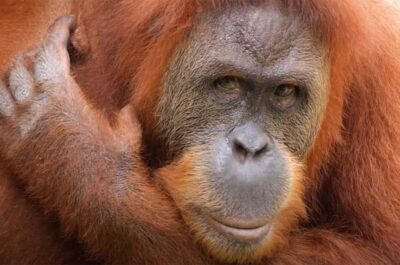
- Animal lovers who like variety: native species, exotic animals, and indoor reptile/nocturnal exhibits
- People who want culture learning built into the visit through Bungarribee Dreaming
It may not be ideal if:
- You’re traveling from far away and your transport costs make the day expensive
- You want a tightly guided, timed program (this is self-paced, with food/drinks and a tour guide not included)
Should you book Sydney Zoo admission?
Yes, if you want a full, self-paced day where learning and animal viewing are both built into the experience. I’d book it if you like themed zones, appreciate accessible walking design, and you’re interested in Aboriginal culture learning through Bungarribee Dreaming.
I’d hesitate if your trip depends on a long commute or expensive transport, because the zoo is only part of the cost of a far-out day. Run the transport numbers first, then decide.
If you do go, plan for heat, bring comfortable shoes and a hat, and expect that the day will be more enjoyable when you slow down in the culture and indoor areas rather than rushing every outdoor exhibit.
FAQ
How much is Sydney Zoo admission?
Sydney Zoo admission is listed at $38 per person.
How long is the ticket valid?
The ticket is valid for 1 day. You can check availability to see starting times.
Where is Sydney Zoo located?
It’s in Eastern Creek on the Great Western Highway, just off the M7 and M4 motorways.
What’s included with the admission ticket?
Your admission ticket includes on-site parking.
What isn’t included in the ticket?
Food and drinks are not included, and there isn’t a tour guide included.
How many animals does Sydney Zoo have?
Sydney Zoo is home to over 4,000 animals.
What Aboriginal culture experience is included?
The Bungarribee Dreaming experience is part of the visit.
Is Sydney Zoo wheelchair accessible?
Yes, Sydney Zoo is wheelchair accessible, and the design includes no hills and no steps.
What should I bring?
You should bring comfortable shoes, a hat, a camera, and any personal medication you need.
What items are not allowed?
Glass objects are not allowed.