REVIEW · MONTREAL
Montreal: Ecomuseum Zoo Entry Ticket
Book on GetYourGuide →Operated by Zoo Ecomuseum · Bookable on GetYourGuide
A short drive can change your whole day. The Ecomuseum Zoo is a compact escape where you meet Quebec wildlife in habitats built to feel like home. I like that it’s close enough to fit into a Montreal itinerary, yet focused enough to feel like a real outdoors stop.
What really works is the animal story layer. Each resident has a background—often orphaned, rehabilitated, or born under professional care—and you’re encouraged to slow down and watch behavior, not just snap photos.
One thing to consider is that weather (especially in winter) can affect what you see. Expect icy paths in cold months, and some animals may be less active or harder to spot when conditions are tough.
In This Review
- Key Things You’ll Notice at Ecomuseum Zoo
- Quebec Wildlife, Not a Big Zoo Feel
- Natural-Style Habitats That Make Watching Easier
- Meet the Animal Stories, Not Just the Species Names
- Your Self-Guided Day: How the Loop Works
- 1) Arrive, park, and get comfortable
- 2) Follow the exhibits like a story trail
- 3) Pause on the mammals and birds
- 4) Don’t skip the smaller categories
- 5) Look for presentations on select days
- Winter Visits: When Ice Changes the Day
- The Human Side: Helpful Staff and Clear Rules
- How Much Time and Energy Should You Budget?
- $16 Value: What You Get for the Cost
- Who This Zoo Ticket Is Best For
- Families
- Nature lovers who hate rushing
- Montreal day-trippers
- A Balanced Note: What Might Feel Tough
- Should You Book the Ecomuseum Zoo Entry Ticket?
- FAQ
- How much does the Montreal Ecomuseum Zoo entry ticket cost?
- How long should I plan to spend at the zoo?
- Are the animals from Quebec only?
- Is parking available?
- Can I bring pets?
- What is the cancellation policy?
Key Things You’ll Notice at Ecomuseum Zoo
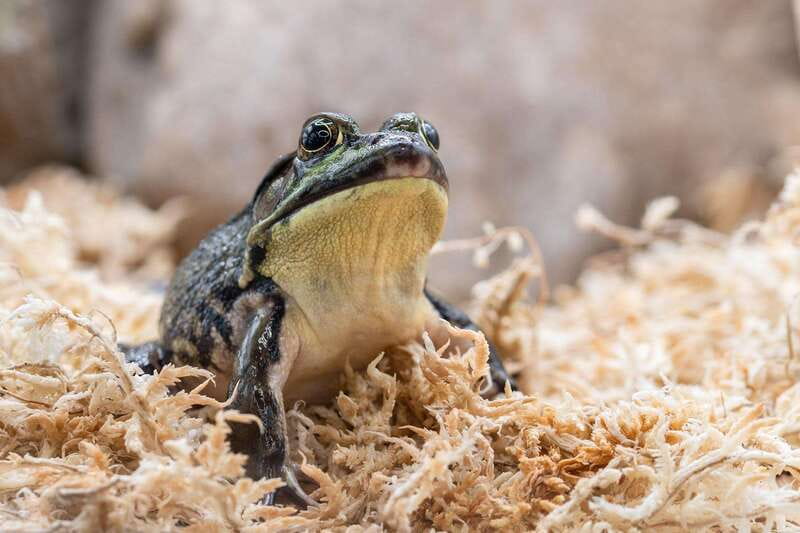
- Quebec-only species across mammals, birds, reptiles, amphibians, and fish
- Natural-style enclosures designed around climate and comfort
- Animal history focus: many residents come from rehabilitation or special human care
- Accredited animal care standards through CAZA-AZAC
- A visit that’s easy to pace: about 1.5 hours on average, but you can stay longer
- Sometimes educational presentations on select days
Quebec Wildlife, Not a Big Zoo Feel

If you’re tired of hauling yourself around a giant zoo, this place makes a different promise. The Ecomuseum Zoo is about meeting local species from Quebec—and it keeps the focus tight by sticking to animals native to the region and suited to their local climate.
That matters more than you’d think. When animals are matched to their environment and handled with clear conservation and education goals, the visit feels less like a checklist. It feels more like a guided conversation with the local ecosystem.
And yes, it’s an easy add-on from Montreal—about 30 minutes from downtown. You get that “escape the city” feeling without losing most of your day to transit.
Natural-Style Habitats That Make Watching Easier

The zoo is set up so each living space is a faithful replication of an animal’s natural environment. In practical terms, that means you’re more likely to see natural behavior—how they move, where they rest, and what they do when they’re not being constantly disturbed.
I also like that this is a well-being-first institution, not just a ticket-and-stands setup. It’s a non-profit with mission pillars built around environmental education, wildlife conservation, and animal well-being, which gives the whole place a different tone.
There’s another safety net here: the zoo is accredited by CAZA-AZAC. That doesn’t magically prevent every enclosure from being imperfect in your eyes, but it does tell you the operation is aiming for recognized standards in care, management, education, research, and conservation.
Meet the Animal Stories, Not Just the Species Names
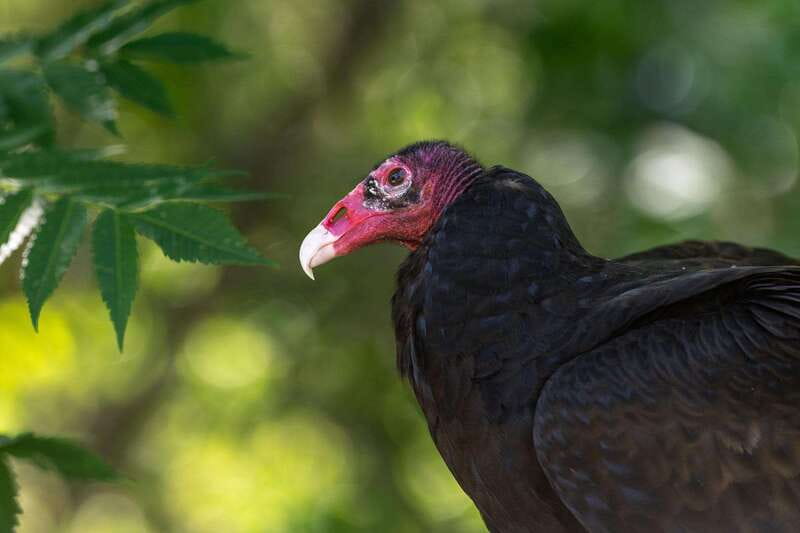
You won’t just walk past animals. You’ll encounter residents with individual histories. Some were orphaned, others were rehabilitated, and some were born under professional human care. That personal backstory changes how you look at the exhibits.
It also gives the visit a rhythm. Instead of racing from one highlight to the next, you can slow down and focus on the “why” behind each animal’s presence. You might notice how different species behave depending on their setting, shelter, or daily routines.
And the variety is real. You can find mammals, birds, reptiles, amphibians, and fish—plus notable locals like black bear, wolves, foxes, and eagles. That mix is a solid win for families, because it keeps kids from zoning out after the first couple of stops.
Your Self-Guided Day: How the Loop Works

This is an entry ticket that works like a self-guided visit. You can arrive at any time during your day window and stay as long as you want, which is great when you’re juggling kids, weather, or a busy Montreal schedule.
Most people take about 1.5 hours to see all animals at an unhurried pace. If you’re traveling with younger children—or you simply like to watch animals more than you like to count stops—you can stretch it out.
Here’s how I’d structure your visit so you get value without feeling rushed:
1) Arrive, park, and get comfortable
You’ll have free parking, which is a big deal for a short trip from the city. Use the time before you start walking to get your shoes right and scan the grounds so you know where you’ll circle back.
Because you’ll be on your feet, start with comfy footwear. The zoo’s main “bring” is simple: comfortable shoes.
2) Follow the exhibits like a story trail
As you move through, look for the animal spaces that match the natural environment theme. The point isn’t to treat it like a competition—best photo wins. The point is to notice details: movement patterns, resting spots, and the way animals use their space.
This is also where the residents’ backgrounds add meaning. When you see an animal in a habitat that fits its climate, and you know it came through rehab or special care, your focus shifts from entertainment to empathy.
3) Pause on the mammals and birds
Species like black bear, wolves, foxes, and eagles tend to be the anchors of the visit. Take time here, because you’ll often get the most satisfying viewing when you stop walking and let your eyes adjust.
One caution: some animals may not always be in a showy mood. Some enclosures may look empty at certain times, and you might find birds less active depending on the moment.
4) Don’t skip the smaller categories
Reptiles, amphibians, and fish are easy to miss if you move too fast. But they’re exactly where you can get the “oh wow” moments—especially when the exhibits are built to support natural conditions.
If you’ve got kids, this is your chance to turn the visit into a mini-scavenger hunt: find the categories, spot where each animal prefers to stay, and talk about what that might mean in the wild.
5) Look for presentations on select days
On some days, there are game and educational presentations. These can add context that you might not pick up just by looking at exhibits alone.
If your schedule allows, plan your arrival so you might catch one of these. Even if you miss one, the zoo itself is built to work as a full visit on entry alone.
Winter Visits: When Ice Changes the Day

Cold-weather trips can be fantastic—but they come with real trade-offs. One winter experience highlighted icy flooring that felt slippery, and the result was fewer visible animals.
Here’s the practical takeaway for your planning: in winter, expect the ground to be slick and plan accordingly. Wear shoes with traction and take your time on paths.
Also, animal activity can be different in cold months. Some residents may be resting more, which can make sightings feel less frequent than you’d hope—especially if you’re only there for a short window.
If you want the best odds for active viewing, aim for a time when conditions are manageable for walking. And remember: quiet animals aren’t a failure of the zoo. They’re just following natural rhythms.
The Human Side: Helpful Staff and Clear Rules

A big part of a zoo experience is how it’s run day-to-day. You’ll find the staff helpful, and the whole operation is built around animal well-being, which shows in the rules.
Here’s what to keep in mind so you don’t accidentally disrupt your visit:
- No touching animals
- No pets
- No smoking
- No alcohol and drugs
- No explosive substances
That might sound strict, but it’s also reassuring. It means the zoo is managing behavior around the animals with a consistent approach, which usually leads to smoother viewing.
How Much Time and Energy Should You Budget?

On average, plan for about 1.5 hours to see all animals and spend time observing. That’s a helpful benchmark because it makes this ticket easy to plan around without locking your whole day.
If you’re the kind of traveler who likes to sit and watch—then yes, you might naturally go longer. The nice part is you can. This is not a timed-ticket sprint.
If you’re bringing kids, 60 to 90 minutes is a sweet spot. It’s long enough to feel like a real visit, short enough to keep energy from draining before you’re back in Montreal.
$16 Value: What You Get for the Cost
At about $16 per person, the Ecomuseum Zoo isn’t trying to be the cheapest option. Some people will feel it’s expensive for a short visit, especially if weather limits what you can see.
But if you look at what’s included, the value picture improves:
- Entry to the zoo and access to all exhibits
- Free parking
- Sometimes game and educational presentations
- A focused theme: Quebec-only species in climate-matched habitats
- A recognized care framework through CAZA-AZAC accreditation
For $16, you’re not just paying to walk past animals. You’re paying for an institution devoted to environmental education, conservation, and animal well-being—with local wildlife at the center.
My honest rule of thumb: it’s best value when you treat it as a short nature break, not a half-hour stop you rush through. If you arrive with comfortable shoes, a little patience, and willingness to watch calmly, you’ll likely feel like you got your money’s worth.
And if you’re visiting on a day when the presentations are running, or when conditions are good for walking, the experience tends to land even better.
Who This Zoo Ticket Is Best For
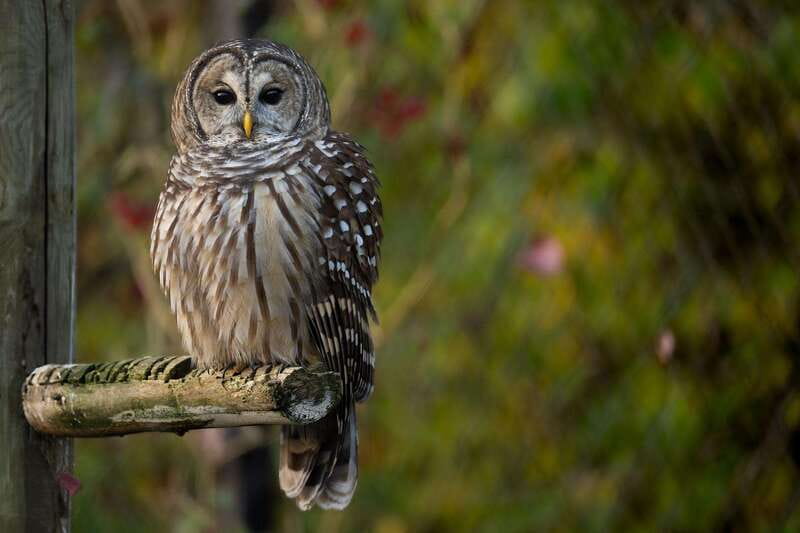
This place fits well for a wide range of travelers, mainly because it’s compact and self-paced.
Families
It’s fun for the whole family, and the variety across animal categories keeps kids engaged. The “arrive any time, stay as long as needed” style also helps when children need breaks.
Nature lovers who hate rushing
If you like watching behavior and reading the animal stories, you’ll probably enjoy the slower pace.
Montreal day-trippers
A 30-minute drive from downtown is one of the biggest practical advantages. You get outdoors time without sacrificing your entire itinerary.
A Balanced Note: What Might Feel Tough
No zoo is perfect, and this one has honest moments you should be aware of before you buy.
Some visitors have left feeling sad when spaces seemed empty or when enclosures for certain birds didn’t feel tall enough. Others also noted that many animals may be alone or in pairs.
That doesn’t mean the zoo is careless. It means you should approach with the right mindset. This is wildlife care in real conditions, not a Hollywood nature set. If you’re very sensitive to enclosure design, read the space carefully once you’re there and decide if it fits your expectations.
Should You Book the Ecomuseum Zoo Entry Ticket?
I’d book it if you want a short, local wildlife experience that’s close to Montreal and built around animal well-being and education. At around $16 with free parking, it’s a reasonable outing when you plan your visit with decent walking conditions.
I’d think twice if you’re going in deep winter and you’re hoping for nonstop animal sightings. Ice and reduced activity can change the day, and at $16, you’ll want to feel satisfied by what you see.
If you’re flexible, wear good shoes, arrive ready to watch rather than rush, and treat it like a focused nature reset—this ticket is very likely to deliver.
FAQ
How much does the Montreal Ecomuseum Zoo entry ticket cost?
It costs $16 per person.
How long should I plan to spend at the zoo?
On average, the visit takes about 1.5 hours to see all the animals and have time to observe them.
Are the animals from Quebec only?
Yes. The zoo has species exclusively from Quebec, living within their natural climate.
Is parking available?
Yes. There is free parking for all visitors.
Can I bring pets?
No. Pets are not allowed.
What is the cancellation policy?
You can cancel up to 24 hours in advance for a full refund.