REVIEW · KINGUSSIE
Kingussie: Highland Wildlife Park Entry Ticket
Book on GetYourGuide →Operated by Royal Zoological Society of Scotland · Bookable on GetYourGuide
Polar bears in the Highlands are for real. I love how this park mixes a drive-through reserve with walkable enclosures, so you can see behavior up close without rushing. Starting at the Scotland’s Wildlife Discovery Centre makes the day feel focused from minute one.
One note: the pathways can be gravel, and that may be tough with a mobility scooter, even though the park is wheelchair accessible.
In This Review
- Key things to know before you go
- First stop: the Highlands setup at Scotland’s Wildlife Discovery Centre
- The drive-through reserve: slow down for real animal behavior
- Walkable enclosures for Scottish natives and the best up-close moments
- Talks and tours: what you learn changes how you watch
- The conservation engine behind the scenes
- Polar bears and other headline animals: plan for a long look
- Picnic breaks, playgrounds, and eating without losing the mood
- Gift shop and souvenirs: take home something small and useful
- Timing tips to fit a full day smoothly
- Price and value: is $31 per person a fair deal?
- Should you book the Highland Wildlife Park entry ticket?
- FAQ
- How long does this experience take?
- Where is Highland Wildlife Park?
- What is included with the entry ticket?
- What is not included?
- What animals can I expect to see?
- Is the park wheelchair accessible?
- What time is the last entry?
- What if I need to cancel?
Key things to know before you go
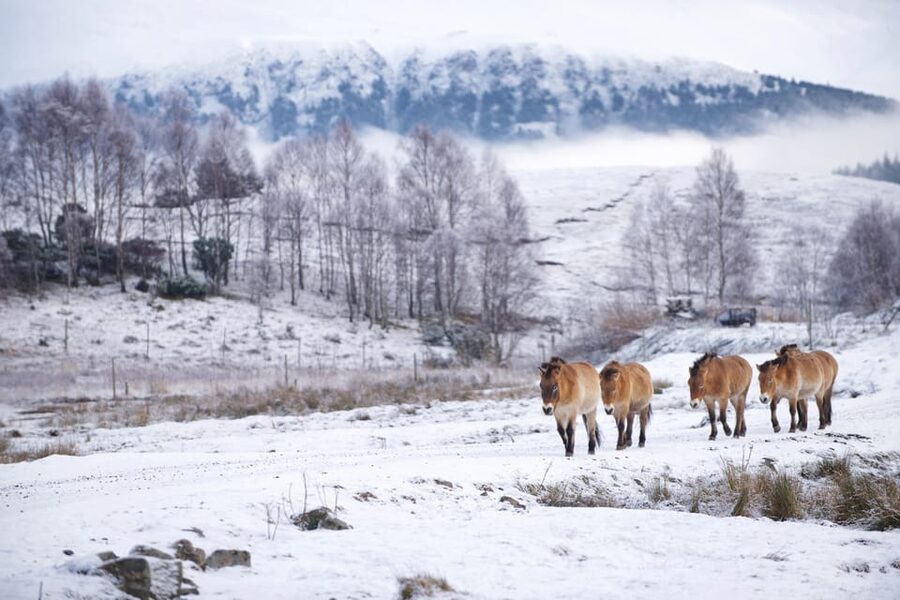
- Two ways to see animals: drive-through viewing from your vehicle plus walking enclosures for closer, slower observation.
- A polar-bear moment you can plan around: you may spot them from the reserve road and again on the walking section.
- Conservation is part of the experience: talks and signage connect your visit to real reintroductions and research.
- A family day that doesn’t feel like a stampede: picnic areas and playgrounds help you reset between animal loops.
- It’s big enough for most of a full day: you’ll want time for at least one drive-through and a solid walk.
First stop: the Highlands setup at Scotland’s Wildlife Discovery Centre
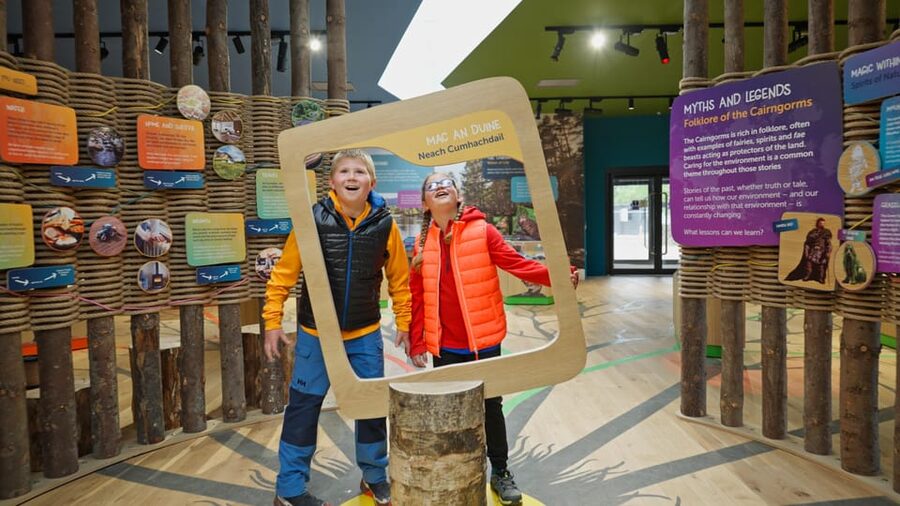
Your day at Highland Wildlife Park starts in a way that makes the rest of the visit click. The Scotland’s Wildlife Discovery Centre gives you an indoor interactive exhibition plus a hilltop den where you learn about the park’s conservation work. On a gray Highlands day, this early indoor start is a smart move because it warms you up and helps you understand what you’re about to see outdoors.
I like that this isn’t just ticketed entertainment. The centre frames the park as a conservation facility, not a zoo that’s trying to distract you with flash. You’ll see how the park links education to animal care, and you’ll notice it again once you’re watching enclosures and behaviors later.
If you’re short on time, don’t skip this opening. Even a quick walk through the interactive displays helps you spot what the park is emphasizing—habitat, enrichment, and species-specific needs.
The drive-through reserve: slow down for real animal behavior
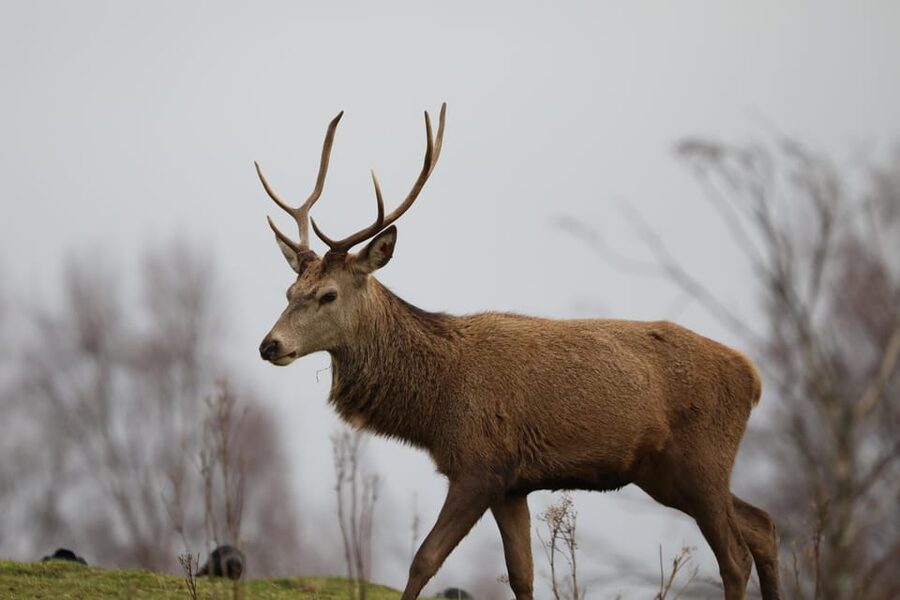
After the centre, the heart of the experience is the drive-through reserve. From the comfort of your vehicle, you can watch animals moving in naturalistic habitat—deer, elk, bison, and more—without the constant stop-and-go of walking paths. This is also the easiest part of the day for families and anyone who doesn’t want to do a lot of climbing.
Here’s how I’d approach it: treat the reserve road like a slow safari. Pull in mentally for patient watching. A few minutes of calm observation often beats sprinting to the next enclosure you can see from a distance.
A couple of practical tips from what people report: the drive-through can be very calm, and you can make a big difference to what you see by taking your time and giving yourself enough window to spot multiple animals. If you’ve got the legs (or patience) and the day isn’t too tight, I’d plan on repeating the drive-through at least once so you’re not relying on luck for the best sightings.
Walkable enclosures for Scottish natives and the best up-close moments
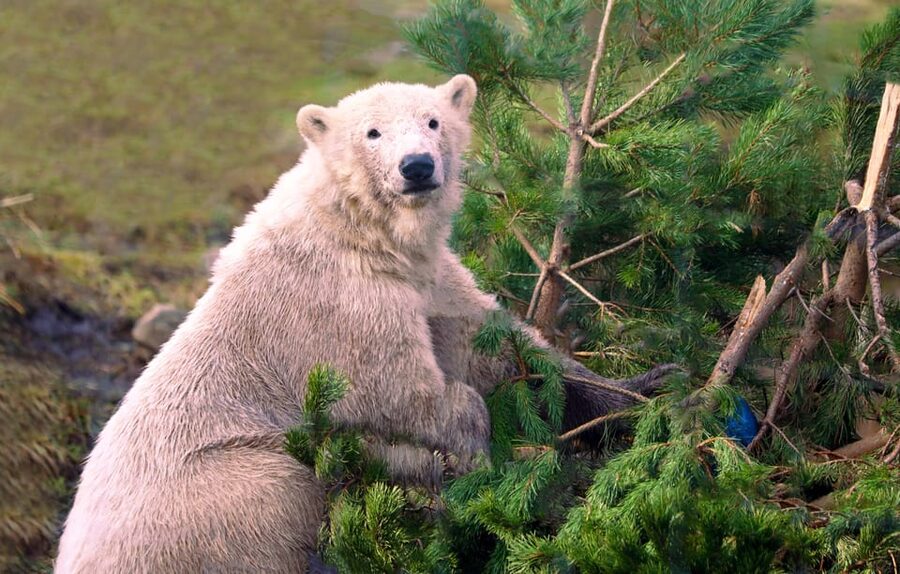
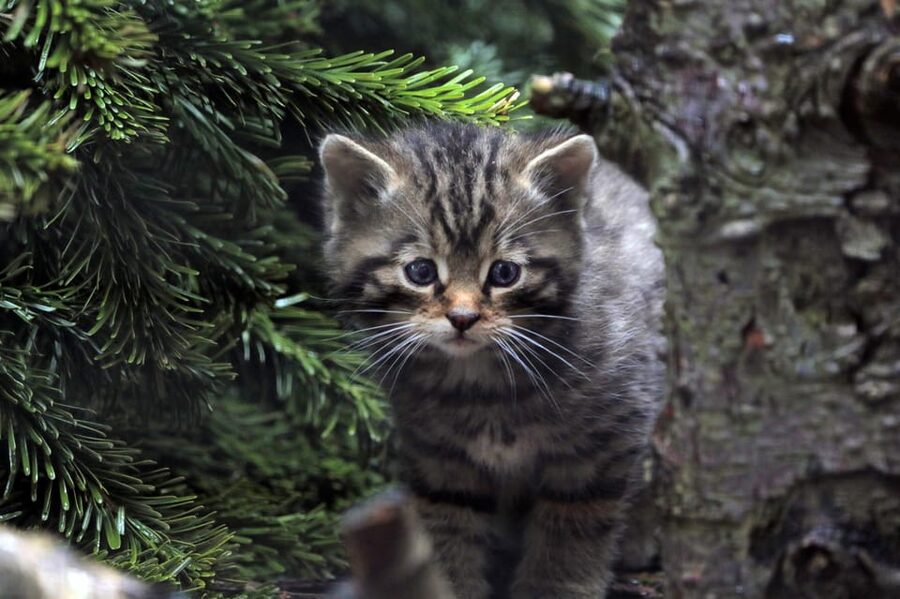
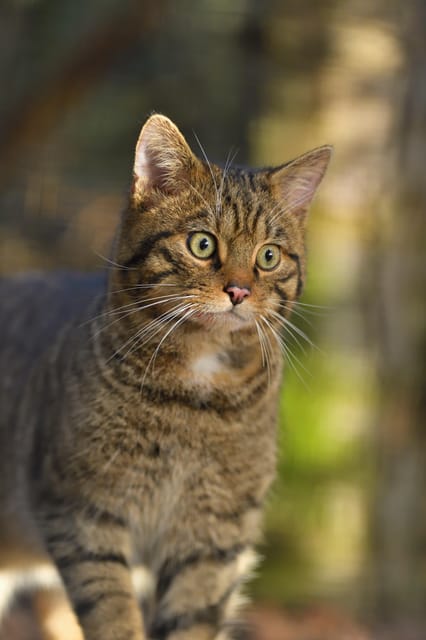
Once you’ve done the vehicle loop, the walking section changes the whole feel. This is where you get more direct viewing of Scottish species such as red squirrel and red deer, and it’s also where the more dramatic animals tend to pull your attention.
From the animal-care angle, the reviews keep circling back to a similar theme: enclosures feel large and designed for animal comfort rather than human convenience. In practice, that means you’re more likely to watch natural habits—resting, moving through space, exploring—and less likely to feel like you’re peering at animals in tight corners.
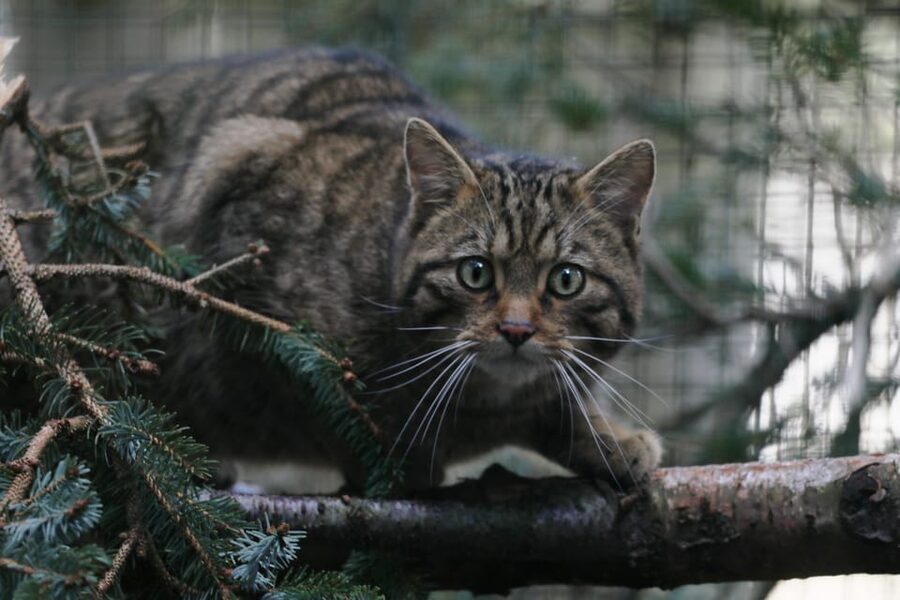
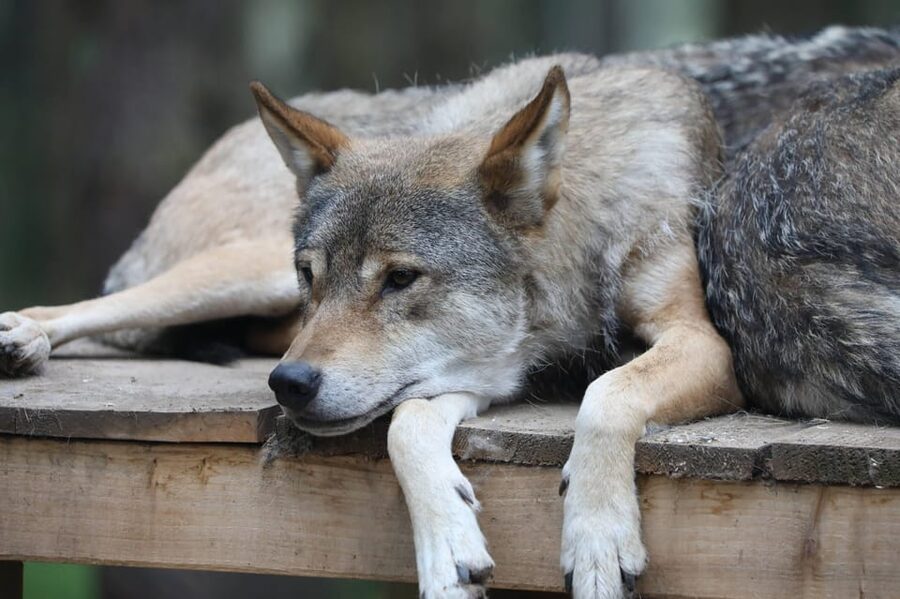
You’ll also get the chance to see species from Scotland’s past and present. The park reintroduces visitors to animals that once roamed Scottish lands, including wolves and lynx. That matters because it turns your sightseeing into something with context: you’re not just spotting a rare animal, you’re seeing part of a conservation story that’s still in progress.
One small drawback to plan for: walking paths can be gravel and uneven in places. If you’re using a mobility scooter or you have limited walking ability, go slowly, take breaks early, and consider asking staff for the easiest route between key viewing areas.
Talks and tours: what you learn changes how you watch
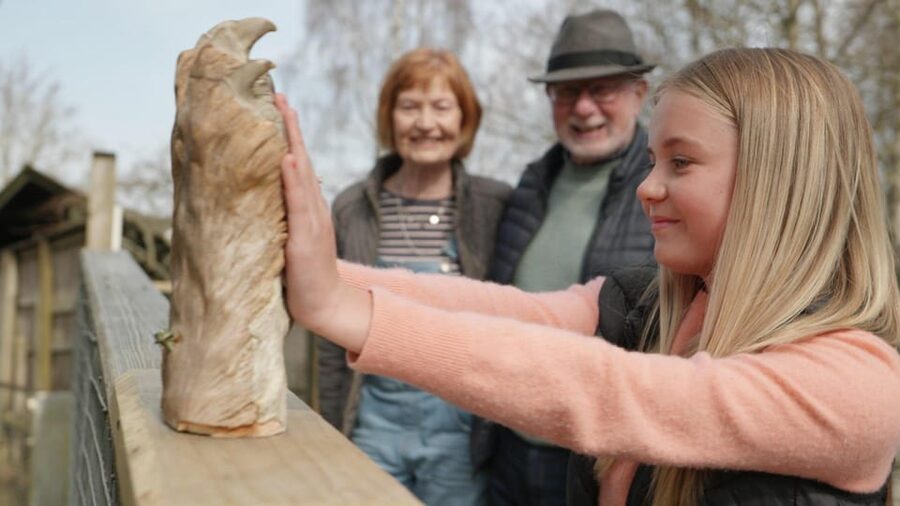
The park isn’t just animals on display. Educational talks and tours add meaning and turn your observations into something more thoughtful. When you understand what to look for—normal behaviors, enrichment routines, and conservation goals—you watch longer without getting bored.
This is also where I’d prioritize your day if you’re the type who likes a schedule. People mention that the animal interactions feel calm and that keepers are very motivated and easy to talk to. If you can catch a talk or a keeper moment, it’s one of the best ways to learn what’s happening in each enclosure that you might miss on your own.
If feeding times are offered during your visit, timing can help. Even when you can’t plan perfectly, arrive with flexible energy. The biggest sightings usually happen when you’re present for the behavior, not just the animal’s general location.
The conservation engine behind the scenes
Highland Wildlife Park is run by the Royal Zoological Society of Scotland, and your ticket helps support the park’s conservation and science work. The park describes one of the largest park-based conservation and science programs in the country, including local and global research projects. It’s the kind of mission that gives you a reason to pay attention beyond photos.
What stands out is the way education and reintroduction tie together. You’re learning about conservation, then you’re seeing signs, species displays, and reintroduced animals that connect that science to the real world. It’s not a vague promise. You’ll feel it in the layout and the information in the centre and around the park.
If you care about animal welfare, this part matters. Reviews repeatedly mention that animals look relaxed and cared for, with lots of space. That lines up with why people come away feeling like they learned something—not just because they saw polar bears, but because they understood the work behind the scenes.
Polar bears and other headline animals: plan for a long look
Polar bears are the headline for many people, and with good reason. The park is Scotland’s only place to keep polar bears, and you may spot them from the drive-through and again when you walk. That double chance is one reason the day feels more complete than many one-zone animal parks.
What helps: polar bears don’t always perform on command. So give yourself time at each viewing area. Reviews mention sitting and watching for long stretches, including moments where the bear appeared relaxed and playful with a toy in the water. That kind of behavior is pure payoff for slow watching.
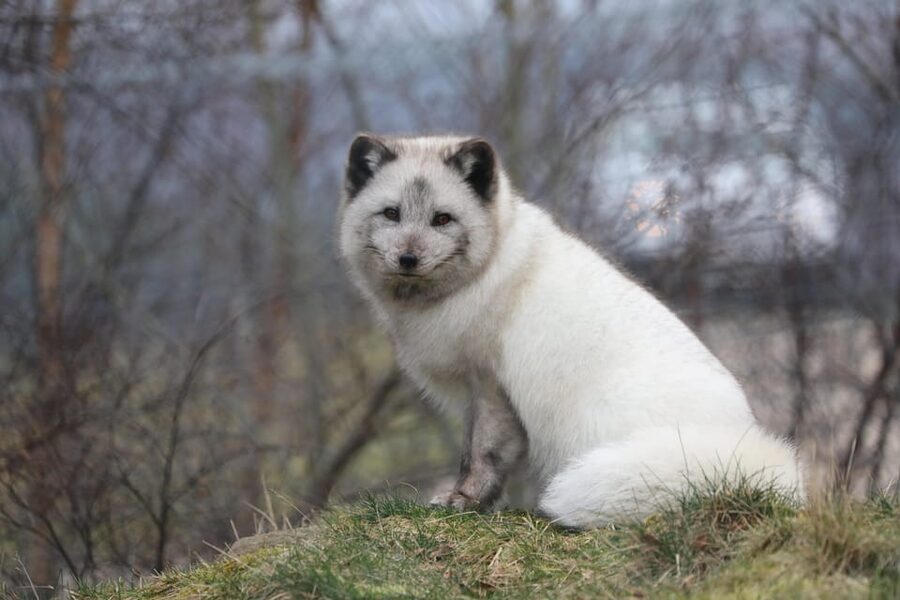
Other standout species people specifically mention include wolverines and snow leopards, plus attic foxes and more. Not every animal will be visible at every moment, and that’s normal for wildlife-style viewing. Your best strategy is patience plus time.
Picnic breaks, playgrounds, and eating without losing the mood
Between animal loops, you’ll want to recharge. The park has scenic picnic areas, plus playgrounds that help families break up the day. This matters because the reserve-to-walk rhythm is easy to make tiring if you don’t plan a reset.
Food options include a café with treats, and there are outdoor food trucks and kiosks if you want quick bites instead of a full sit-down. You can also bring your own picnic, and reviewers note that packing a picnic works well for families who want flexibility.
I like having options because Highlands weather can be unpredictable. If it’s raining, indoor snacks from the café feel like a relief. If the sky clears, eating outdoors keeps the whole experience grounded in the setting.
Gift shop and souvenirs: take home something small and useful
At the end of the day, the gift shop is there for practical souvenirs rather than big-ticket impulse buys. If you want a reminder of the conservation angle, look for items that connect to the centre and the work you saw.
This is also a good moment to check what you still want to do. If you started with the centre earlier, you’ll probably feel calmer about finishing the day. If you skipped it, you may wish you’d had that context once you’re walking enclosures later.
Timing tips to fit a full day smoothly
Your ticket is valid for one day, and you can check starting times based on availability. Last entry is one hour before closing, so don’t treat this like a casual pop-in if you want a full loop plus walking time.
A smart flow looks like this:
- Start at the Discovery Centre first so you know what you’re watching.
- Do the drive-through while you still have energy for patient viewing.
- Walk enclosures when you’re ready to slow down and read signs.
- Catch a talk if one fits your pace.
- Build in time for a picnic or café stop, then return to the areas you want to linger over.
If you only have half a day, you can still make a good visit, but you’ll likely skip some walking and lose the chance for those long animal-watching moments that people rave about.
Price and value: is $31 per person a fair deal?
At about $31 per person, the value depends on what you want from the day. If you’re after a quick animal snapshot, it may feel like a lot for one facility. But if you want a full day of animal viewing plus education, it stacks up better than many attractions that charge similar money for shorter time on-site.
Here’s why I think it’s good value:
- You get access to all public areas, meaning drive-through plus walking enclosures.
- The park covers a large animal roster—over 200 animals—including native Scottish wildlife and endangered species.
- The ticket supports conservation and science, not just animal presentation.
Food and souvenirs aren’t included, and transportation to and from the park is on you. Still, within a day, it can work as a straightforward family outing: one ticket, two viewing styles, plus learning built in.
If you’re traveling with kids, the size of the park and the presence of playgrounds and picnic spots can turn it into a day that actually feels manageable.
Should you book the Highland Wildlife Park entry ticket?
Book it if you want a Scottish wildlife day that mixes classic animal spotting with real conservation messaging. This is a great fit for families, animal lovers, and anyone who likes watching behavior—not just chasing sightings.
I’d especially recommend it if polar bears or Scottish natives like red deer and red squirrels are on your wish list. And if you like your days with a mix of car viewing and walking, this park nails that balance.
Skip it only if you want a tightly scheduled, high-energy “rides and shows” type of attraction. This is calmer and more watch-and-learn than that. Also, if gravel paths are a deal-breaker for your mobility setup, plan carefully and be ready to adapt routes on the day.
FAQ
How long does this experience take?
It’s valid for 1 day, so plan on spending most of the day at Highland Wildlife Park.
Where is Highland Wildlife Park?
It’s in the Scottish Highlands and is described as a short drive from Aviemore.
What is included with the entry ticket?
Your ticket includes Highland Wildlife Park entry and access to all public areas.
What is not included?
The ticket does not include personal expenses or transportation to and from the park.
What animals can I expect to see?
The park describes over 200 animals, including native Scottish wildlife and endangered species from around the world. Polar bears are a key highlight.
Is the park wheelchair accessible?
Yes, the experience is listed as wheelchair accessible.
What time is the last entry?
Last entry is one hour before closing.
What if I need to cancel?
You can cancel up to 24 hours in advance for a full refund.