REVIEW · SIOUX FALLS
Great Plains Zoo
Book on GetYourGuide →Operated by SSA Group · Bookable on GetYourGuide
Go face-to-face with wild neighbors from afar. Great Plains Zoo is a one-day South Dakota stop built for up-close animal viewing, with easygoing flow from Snow Monkey beginnings through tigers, savannah favorites, and the Zoo Farm. I like that it’s family friendly in a very practical way, and that you also get keeper chats as part of the ticket.
One heads-up: not every animal may be out at once, so if your goal is maximum spotting, plan to focus on the exhibits and the time you spend watching rather than chasing specific sightings. If you’re going with kids, that flexible mindset helps a lot.
In This Review
- Key things to know before you go
- Getting to Great Plains Zoo: what $16 really covers
- Starting with Snow Monkeys: an easy first win
- Asian cat area: tigers up close without extra fuss
- African Savannah circuit: giraffes, meerkats, zebras, and the fun of watching
- Primate Paradise: the swinging, hooting center of the zoo
- Humboldt penguins: a cool-weather vibe in a warm state
- Face-to-Face Farm: goats, sheep, and the rules you must follow
- Keeper chats: why they can be more valuable than another exhibit
- What to bring and what to skip for a smoother day
- How to pace your day (so you don’t feel rushed)
- Should you book Great Plains Zoo?
- FAQ
- How much is the Great Plains Zoo experience?
- How long is the visit?
- Where is Great Plains Zoo located?
- What’s included in the ticket?
- What is not included with the ticket?
- Can I rent strollers, scooters, or wheelchairs?
- Are pets allowed at the zoo?
- Are you allowed to feed animals?
- Are you allowed to touch animals?
- Is the experience wheelchair accessible?
Key things to know before you go
- Snow Monkeys kick off the visit with a troop that’s often lounging in their exhibit, making for an easy first win.
- Primate Paradise is the action stop, built around a jumping, hooting array of primates.
- Humboldt penguins add a cool break from warmer-weather walking and a “watch me” moment for kids.
- African Savannah covers classic species like giraffes, meerkats, and zebras, plus more.
- Face-to-Face Farm is hands-on in select areas for goats and sheep, though animal-interaction rules are strict.
- $16 value improves when you use what’s included (Zoo ticket, Zoo Farm ticket, keeper chats, and parking).
Getting to Great Plains Zoo: what $16 really covers
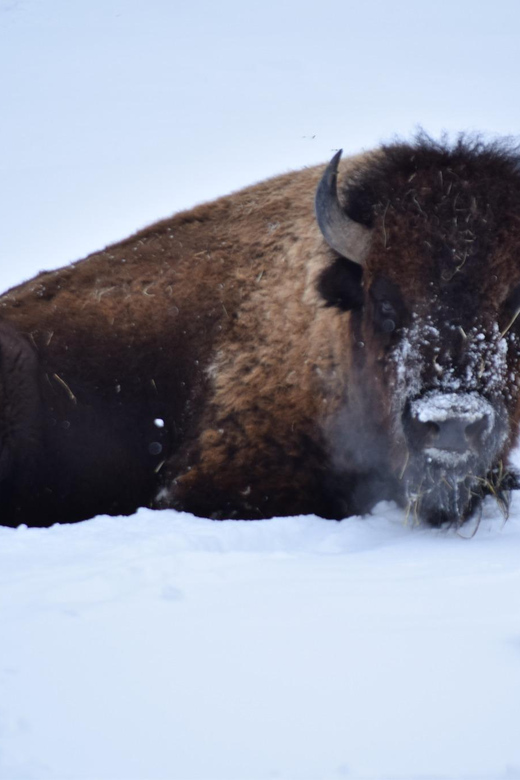
Great Plains Zoo is priced at $16 per person for a 1-day visit, and that matters because you’re not paying extra just to get in and start seeing animals. Your ticket includes the zoo entry, a separate Zoo Farm entry, keeper chats, and parking—a bundle that’s especially helpful if you’re traveling with kids or anyone who hates adding surprise costs mid-trip.
You’ll also want to plan for what’s not included. Food and drink aren’t part of the ticket, and several add-ons are explicitly not included, including zoo tours, the carousel, the train ride, and animal encounters. Strollers, scooters, and wheelchairs are also listed as rentals you’ll need to arrange elsewhere (they aren’t included).
If you’re comparing this to larger parks, the biggest value shift here is the simplicity: you pay for admission and then spend your day walking, watching, and taking in the keeper talk moments where available.
Starting with Snow Monkeys: an easy first win
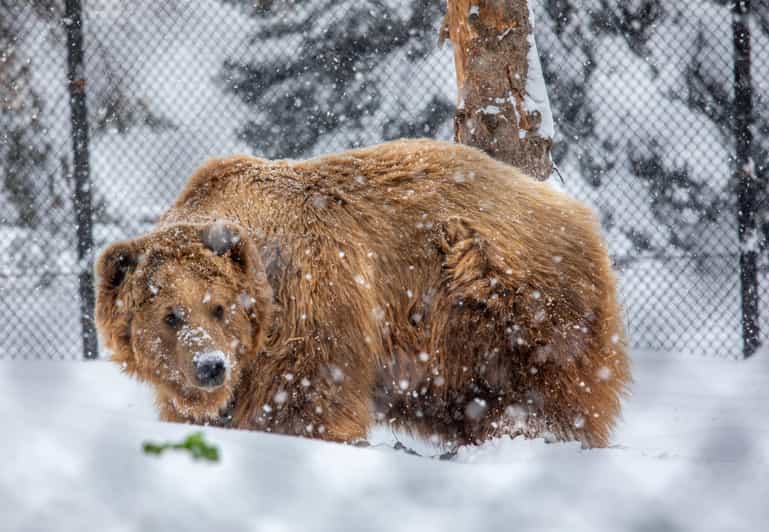
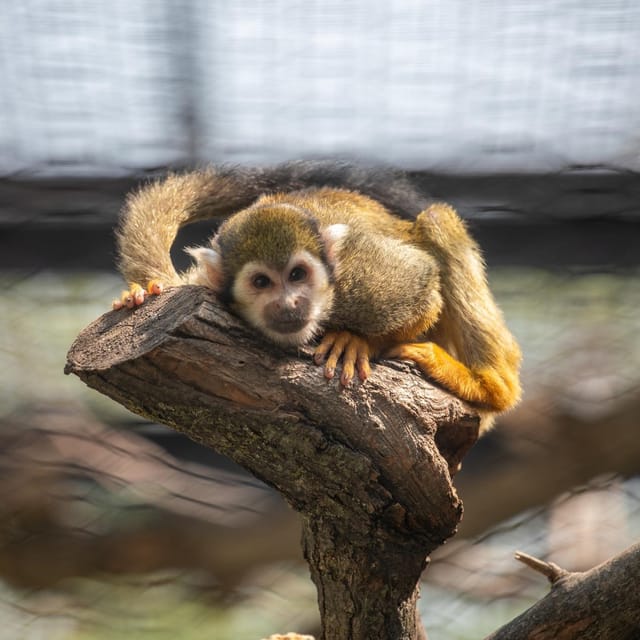
The visit flow starts strong with a troop of Snow Monkeys. The setup is designed for close viewing while they loll around their exhibit, so you don’t have to be an expert animal spotter to get something good right away. For families, this kind of “first stop success” is gold because it reduces the early melt-down risk when everyone’s still getting their bearings.
Practical tip: if you’re traveling with younger kids, this is a good place to help them understand the rhythm of the day—stand, watch quietly for a few minutes, then move on. Monkeys can be unpredictable, so giving them time is part of the fun.
Asian cat area: tigers up close without extra fuss
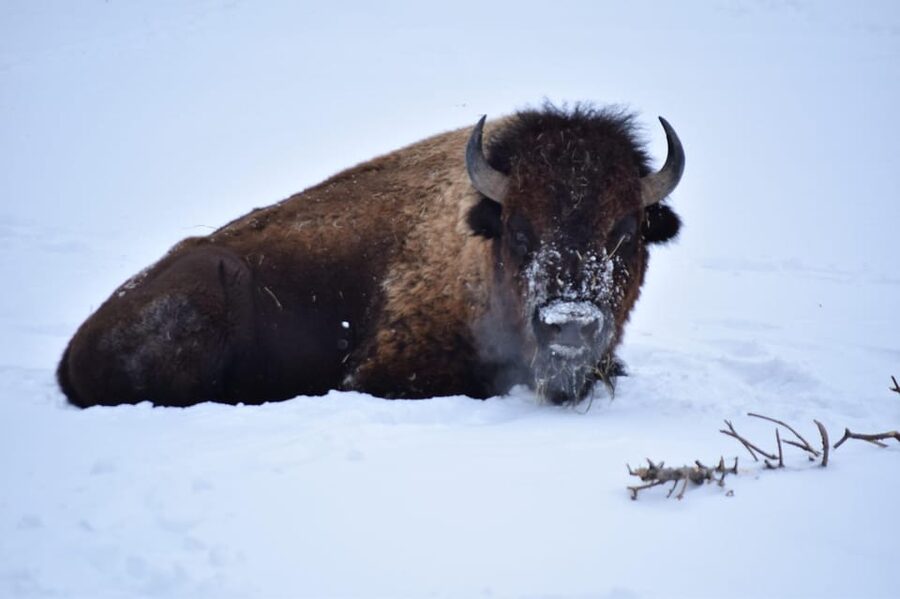
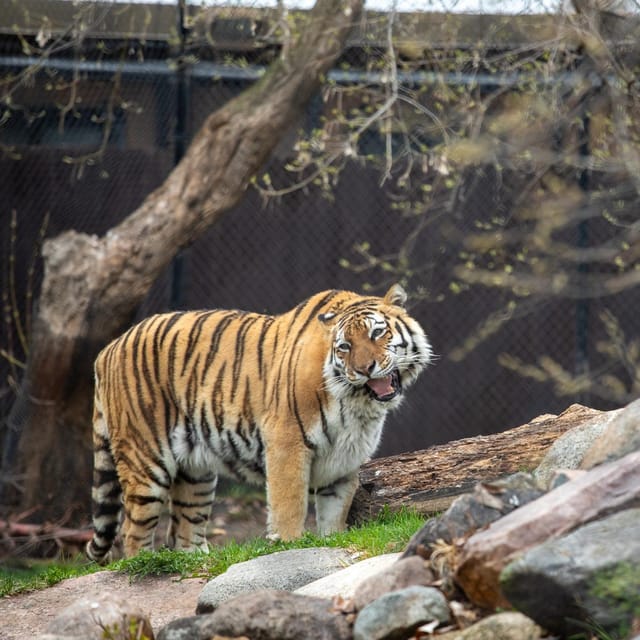
After the monkeys, the next highlight is the Asian cat exhibit, where you can see tigers. This is a smart transition point: cats can be mesmerizing because they move less dramatically than some other animals, but they often hold your attention with posture, pacing, and quick bursts of activity.
If you care about travel photography, this is also a sensible area to spend time. Many zoos make big cats a “look quickly and go” stop, but the zoo’s overall promise is up-close viewing across global species, and the exhibit order suggests you’ll get time to settle in rather than run through.
African Savannah circuit: giraffes, meerkats, zebras, and the fun of watching
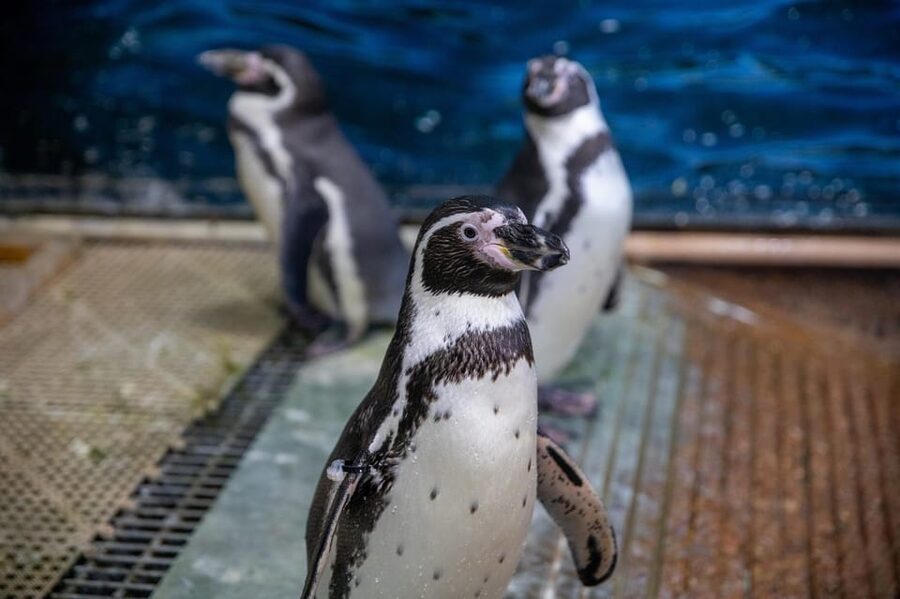
The African Savannah area is where the zoo broadens from a few flagship animals into a fuller circuit of species. From what the zoo describes, you’ll find giraffes, meerkats, zebras, and more as you stroll through the area.
Here’s why that matters for your day: savannah-style exhibits encourage slow wandering, and meerkats in particular reward patience. Kids tend to get hooked on the repeated patterns—look up, pop out, pause, repeat. For adults, it’s a change from high-energy pacing. You’re not just sprinting for the next animal; you’re watching behavior.
One consideration: if you’re going specifically to chase a short list of animals, remember the experience is about seeing habitats and behavior, not guaranteeing that every species is out and active at the exact moment you arrive. Building in time for each area reduces disappointment.
Primate Paradise: the swinging, hooting center of the zoo
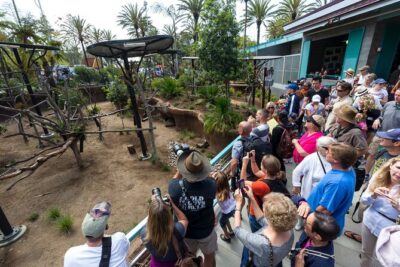
If you want a single “main character” moment, it’s Primate Paradise. The zoo’s highlights point directly here, calling out a jumping, hooting array of primates. This is the part of the visit that tends to feel most alive, because primates often move in spurts—climbing, swinging, calling, then pausing to watch you.
For kids, it’s also the easiest exhibit to explain. Even without formal animal knowledge, you can point out body language: who’s exploring, who’s watching, and what triggers the next burst of activity.
Practical move: don’t rush Primate Paradise. If you arrive during a lull, give yourself a few minutes before deciding it’s “slow.” With primates, small changes happen quickly, and you’ll miss them if you’re only waiting for the first minute.
Humboldt penguins: a cool-weather vibe in a warm state
The zoo also highlights Humboldt penguins, and they’re worth planning for even if you’re not a penguin person. Penguins are a good “reset stop” for a full day of walking because they’re visually distinct and often keep you watching without needing big spaces to be cleared.
I like how this kind of exhibit breaks the day up mentally. Instead of the whole visit turning into one long chain of “look at animal, move to next animal,” the penguins create a calmer, often very focused viewing moment. Great for families and for anyone traveling with mixed ages.
Face-to-Face Farm: goats, sheep, and the rules you must follow
The Face-to-Face Farm is the zoo’s hands-on highlight. The description mentions feeding and petting goats and getting a kiss from a sheep. But the zoo’s rules also list feeding animals and touching animals under prohibited actions.
So how do you handle that as a visitor? Simple: follow what staff allow on the spot. If you see an area where hands-on contact is explicitly permitted, take part there. If not, skip it and enjoy watching from the safe viewing side. When a venue has both hands-on marketing and strict “not allowed” rules, you should treat the posted rules as the authority.
Either way, the farm section is still a win because it adds a different kind of zoo moment—more tactile and interactive in concept, even if your personal experience may be mostly observation depending on what’s available that day.
Keeper chats: why they can be more valuable than another exhibit
Included in your ticket, keeper chats can add real meaning to all the walking you’ll do. Even though the exact topics and timing aren’t listed here, keeper-led talks tend to do two things well: they help you understand what you’re seeing, and they point you toward behaviors that you might miss on your own.
This is especially useful at a zoo with many species in a small amount of time. You won’t need to memorize facts. Instead, you’ll learn how to interpret what’s happening in the moment—why an animal moves the way it does, what they need, and what the zoo is doing to care for them.
What to bring and what to skip for a smoother day
You’ll likely get the best experience if you plan like this:
- Bring your own water and snacks since food and drink aren’t included.
- Wear shoes you’re happy to stand in, because you’re covering multiple exhibit zones in one day.
- Expect no pets, no drones, no smoking, and no weapons or sharp objects.
- Plan for no feeding animals and no touching animals unless a specific interaction area is operating under staff permission.
- Leave skateboards at home.
About rentals: strollers, scooters, and wheelchairs aren’t included. If you need mobility support, arrange it ahead of time so your day doesn’t get derailed at the entrance.
One more practical note: the experience is wheelchair accessible, and that’s a big plus for families and visitors with mobility needs. Just be mindful that a zoo day still means lots of walking—even if the route is designed to be accessible.
How to pace your day (so you don’t feel rushed)
The overall layout suggests a simple progression: snow monkeys first, then Asian cats, then African Savannah, then primates and penguins, and finally the Zoo Farm experience. You can follow that order or swap based on your group’s energy.
To avoid the most common disappointment, pace with patience:
- Spend a few extra minutes at primates and savannah species like meerkats, since activity can come in waves.
- Don’t treat your day like a checklist. The zoo experience is behavior-based, not just species-based.
- Build in one “sit and watch” break. Penguins are a natural candidate.
That approach fits the zoo’s strengths: up-close viewing, lots of variety, and a day that stays manageable for families.
Should you book Great Plains Zoo?
I’d book Great Plains Zoo if you want a solid, one-day animal outing in South Dakota at a clear, budget-friendly price, especially because the ticket includes keeper chats and parking. The best fit is families, mixed-age groups, and anyone who likes watching animals act natural rather than rushing from one stop to another.
I’d think twice if your top priority is guaranteeing that every single animal you want will be actively out the entire time. Since activity varies, you’ll get more enjoyment by coming with flexible expectations and focusing on the areas that matter most to you—like Primate Paradise, Humboldt penguins, and the African Savannah stroll.
If you want a straightforward day of global animals, with enough structure to keep kids happy and enough variety to keep adults interested, this is an easy “yes” for many trips.
FAQ
How much is the Great Plains Zoo experience?
The price is $16 per person.
How long is the visit?
It’s valid for 1 day.
Where is Great Plains Zoo located?
It’s in South Dakota, United States.
What’s included in the ticket?
Your ticket includes entry to Great Plains Zoo, entry to the Zoo Farm, keeper chats, and parking.
What is not included with the ticket?
Food and drink are not included. Also not included are zoo tours, carousel, train ride, and animal encounters.
Can I rent strollers, scooters, or wheelchairs?
Rentals for strollers, scooters, and wheelchairs are not included.
Are pets allowed at the zoo?
No, pets are not allowed.
Are you allowed to feed animals?
Feeding animals is listed as not allowed.
Are you allowed to touch animals?
Touching animals is listed as not allowed.
Is the experience wheelchair accessible?
Yes, it is wheelchair accessible.