REVIEW · ORANA WILDLIFE PARK
Christchurch: Orana Wildlife Park Admission
Book on GetYourGuide →Operated by Orana Wildlife Park · Bookable on GetYourGuide
Orana Wildlife Park is the kind of zoo where animals actually feel close. As New Zealand’s only open-range zoo, it’s built for real encounters: you can hand-feed giraffes and even see rhino up close. My favorite part is that the day is structured around talks and feeding moments, so you’re not just wandering blind. One thing to plan for: it’s a big site, and you’ll likely walk for a couple of hours, so wear comfortable shoes and don’t sleep in—last admission is 4 PM.
Set on about 180 hectares and roughly 15 minutes from Christchurch airport, Orana makes a smart day trip. I like that it’s easy to navigate with clear signage, plus there’s a complimentary Safari Shuttle when your legs need a break. The grounds feel tidy, and the animals look healthy and well cared for, which matters in a place like this.
If you arrive later, you might miss some animals at their most active. A couple of notes from the experience: some displays may not be at full readiness right at opening, and you may catch more action at mid-day when feeding and scheduled presentations kick into rhythm.
In This Review
- Key things to know before you go
- Entering Orana Wildlife Park: the open-range feel near Christchurch
- Timing your day: arrive at 10 AM for the 10:45 presentations
- Your game plan: shuttle stops, walkways, and how to cover 180 hectares without stress
- Animal encounters you’ll actually remember: giraffes, rhinos, and the thrill of close contact
- New Zealand wildlife plus walk-through aviaries: kiwi spotting and birds like kea
- Reptiles, Farmyard friends, and scheduled moments that make the admission feel worth it
- Gorilla daydreams and other stars: cheetah, Tasmanian devils, and meerkat energy
- Food, picnic breaks, and a café that keeps the day comfortable
- Price and value: what $23 buys you in a full-day wildlife setting
- Who should book Orana, and who might want a different plan
- Should you book Orana Wildlife Park admission?
- FAQ
- How much is admission to Orana Wildlife Park?
- Where is Orana Wildlife Park located?
- How long should I plan for my visit?
- What time is Orana Wildlife Park open?
- When do daily presentations start?
- Is the giraffe-feeding experience included?
- Is there a shuttle inside the park?
- Is Orana Wildlife Park wheelchair accessible?
- Is the park closed on December 25?
- Can I cancel if my plans change?
Key things to know before you go
- Open-range layout: Bigger feeling habitats, with animals roaming more naturally than in a typical zoo setup
- Daily presentation rhythm: Talks start at 10:45 AM and experiences run often enough to guide your route
- Giraffe feeding is a big deal: One of the most memorable, up-close moments of the day
- You can mix shuttle + walking: Use the Safari Shuttle with multiple stops, then hop out near the next talk
- Native New Zealand stars included: Kiwi and walk-through aviaries with birds like kea, kakariki, and whio
- Plan at least 2 hours (often 4): The average visit runs about 4 hours, so schedule it like a real outing
Entering Orana Wildlife Park: the open-range feel near Christchurch
Orana Wildlife Park sits on about 180 hectares, and the whole place is designed to feel spacious. That open-range setup is the big difference maker. Instead of a tight, cage-heavy experience, you’re in a working, roaming zoo where you can get closer to animals without the same “press up against barriers” vibe.
Location is another win. It’s within about 15 minutes of Christchurch airport, so it’s ideal if you have a short stay or want something animal-focused without committing to a full-day drive. The main address is 793 McLeans Island Road, Mcleans Island, Christchurch 8051.
One more reason this works well as an outing: Orana has a full-day rhythm. You’re not just buying admission and hoping you catch the good moments. There are scheduled daily presentations and guide-led experiences that act like guide rails around the park.
Timing your day: arrive at 10 AM for the 10:45 presentations
Orana is open from 10 AM to 5 PM, and it’s important to know the last admission is 4 PM. If you want the smoothest experience, I’d aim to be there by 10 AM. That gives you time to settle in, find your first presentation stop, and start catching the talks before the day fills up.
Daily presentations start at 10:45 AM and are guided by wildlife staff. The park is recommended to be explored by following the presentation schedule, which helps you cover the zoo without spending energy guessing where to go next. The schedule is frequent too—think of it like a rolling set of mini-experiences throughout the day, so you can time your walking between events.
If you’re the type who likes wildlife at its most active, you’ll likely have the easiest luck around mid-morning to lunchtime. One practical trick: when you hear a scheduled feeding or talk starting, head there first, then roam afterward if you still have energy.
Your game plan: shuttle stops, walkways, and how to cover 180 hectares without stress
The site is big enough that walking the entire park end-to-end can feel like a workout, even though a lot of it is manageable. I recommend using the complimentary Safari Shuttle as your “reset button.” You can hop on for the full loop or use it to reach the next area with less backtracking.
The shuttle has multiple stops—about eight quick stops—so you can get on and off as presentations and feeding moments start up around the grounds. The best part is flexibility: if you see something you want to linger at, you can stay on the shuttle and circle back, or get off early and build in extra time.
If you’re a “just tell me where to go” person, follow the presentation flow. If you’re more self-directed, use the shuttle to connect zones, then walk between the animals you care most about.
A helpful detail for your comfort: bring comfortable shoes and expect a couple of hours of walking. The park also has two large picnic areas, so you can plan a break when your feet start negotiating with you.
Animal encounters you’ll actually remember: giraffes, rhinos, and the thrill of close contact
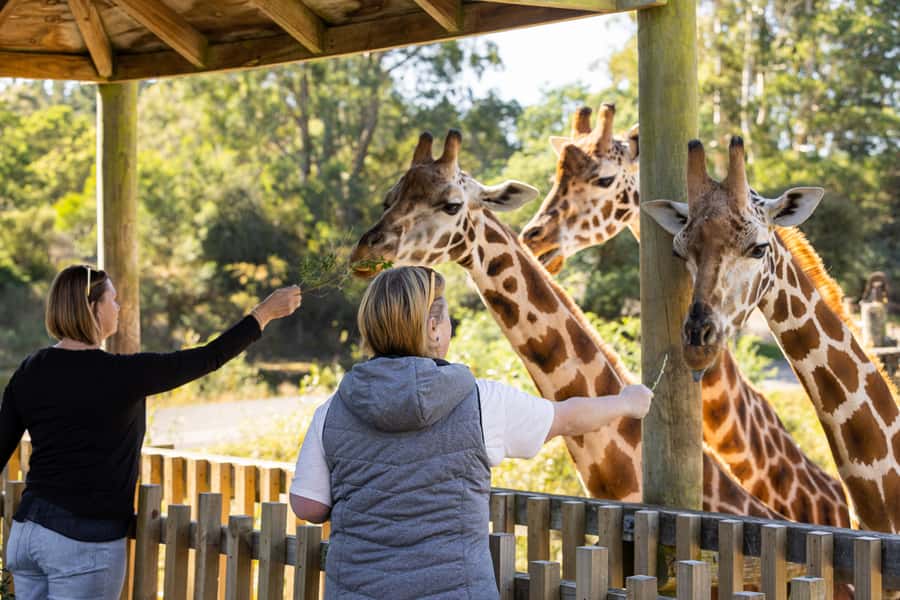
The headline experience at Orana is the chance to get close to animals you usually only see behind glass or from far away. The most famous moment is feeding the giraffes by hand. This isn’t a quick peek—you get that up-close, face-to-face interaction that makes the whole day feel like more than a checklist zoo visit.
Another standout is seeing rhino up close. This kind of encounter can be emotionally powerful, because you’re not just observing a distant shape—you’re seeing a real animal right there, in its own habitat space.
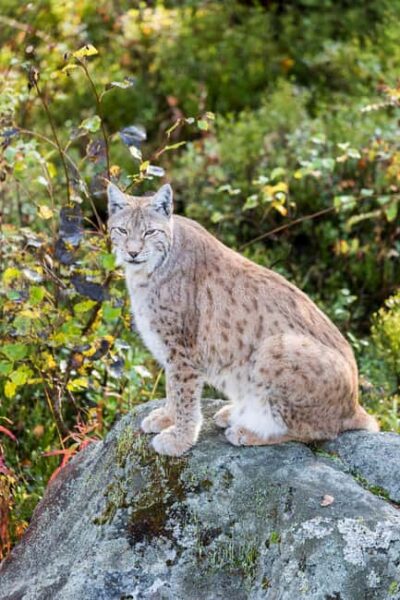
Orana also includes other memorable predators and larger animals, such as cheetah and gorillas, plus smaller fast-moving favorites like meerkats and monkeys. One review specifically called out the excitement of seeing animals such as tiger, lion, and zebra as well—so if those are on your mental wish list, keep an eye out as you work through the scheduled areas.
The key idea here: Orana doesn’t just show animals. It builds moments where you’re present during feeding or guided explanations. That makes the encounters feel more intentional, and less like “walk, look, move on.”
New Zealand wildlife plus walk-through aviaries: kiwi spotting and birds like kea
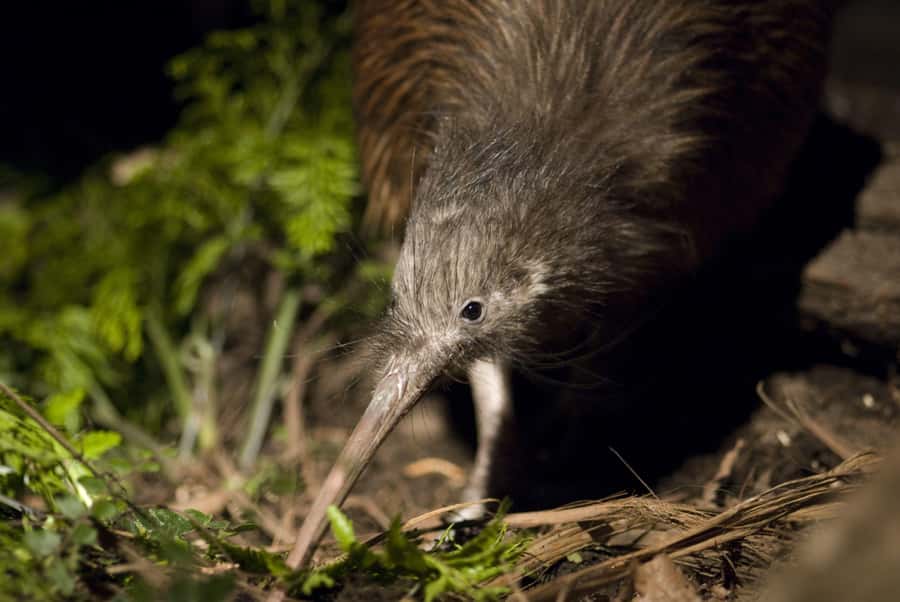
Orana earns extra points for including New Zealand native wildlife in a way that feels hands-on. You can observe kiwi, and the park has walk-through aviaries where you can watch birds up close rather than just from afar.
Bird names you may be able to spot include kakariki, whio, and kea—species that are hard to view anywhere else in the world. Even if you can’t identify every bird on sight, the structure helps. The aviaries are designed for that “walk-through” experience, so you’re moving through the space rather than staring at a single display from one angle.
I also like that this part of Orana shifts the day’s pace. It’s a natural break from the larger mammals. If you’re traveling with kids, this is often the zone where everyone recalibrates and starts focusing more calmly on small details—feather movements, calls, and the movement of birds through the walk-through spaces.
Reptiles, Farmyard friends, and scheduled moments that make the admission feel worth it

Orana isn’t only big cats and birds. You’ll also find native reptiles, plus a Farmyard area with friendly domestic animals. This matters because it gives you a variety of experiences without turning the day into one long marathon of staring.
One of the best value signals is that many experiences are wrapped into the admission price. Scheduled talks and feeding experiences—such as giraffe feeding, farmyard animal moments, and trout-related activity—are built into the flow. That’s a big deal because it turns the ticket into more than “entry to see animals.” You’re getting a guided day structure, which saves you from piecing everything together yourself.
Then there are the presentation times. They happen often, and they’re led by wildlife guides. You’ll get more than random animal facts; you’ll usually understand the animal’s role, behaviors, and the reason it’s kept in that kind of habitat. It also keeps you from missing key moments during the day.
A practical caution: some animals may not be visible right away depending on timing. That’s normal in wildlife settings. If you want the best chance of seeing more animals active, plan to check the presentation schedule and then circle the park after those sessions.
Gorilla daydreams and other stars: cheetah, Tasmanian devils, and meerkat energy
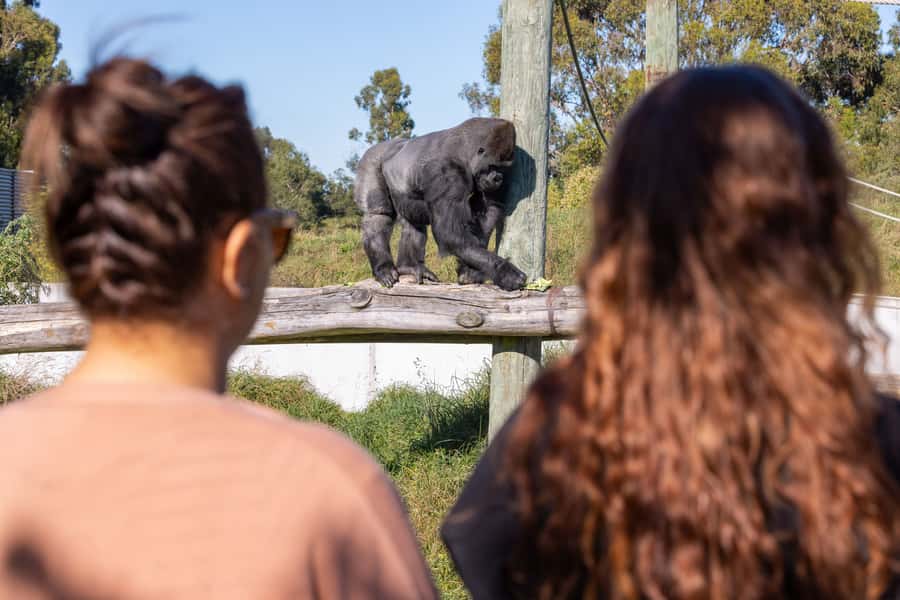
Orana is known for gorillas—specifically, it’s described as New Zealand’s only gorilla experience. If you’re aiming for that must-see animal, build your day around the scheduled presentation rhythm so you don’t spend your best hours chasing the wrong corner of the park.
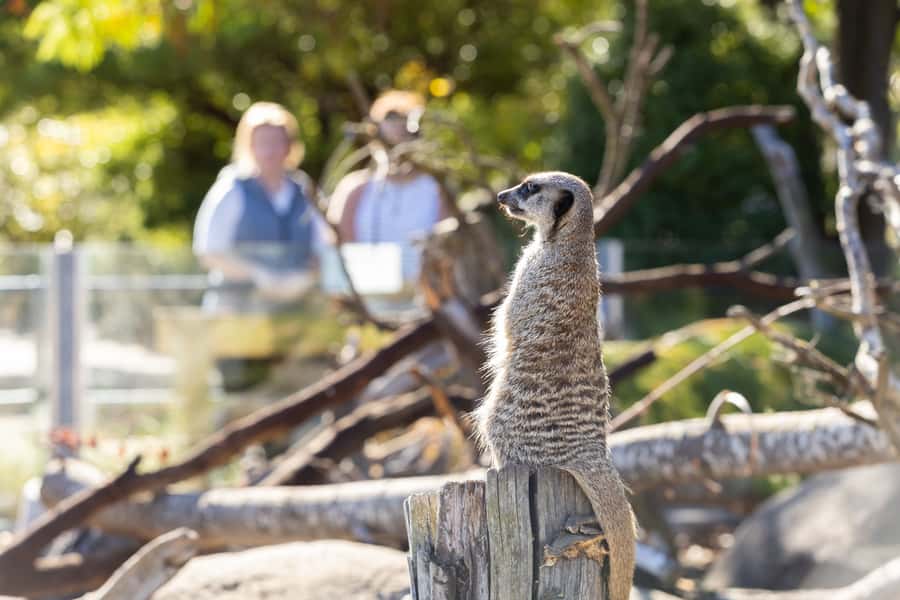
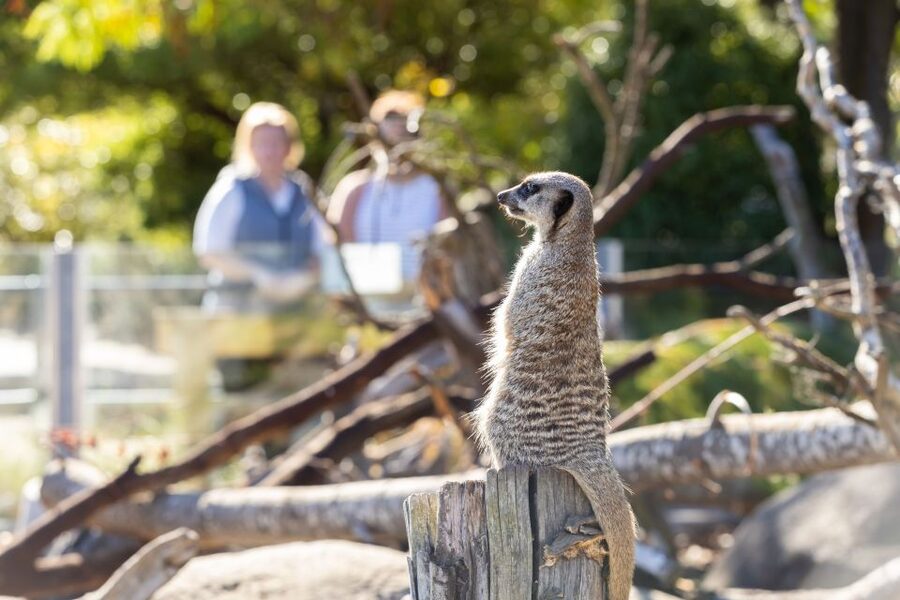
Other animal zones can come alive at different times. Cheetah, Tasmanian devils, monkeys, and meerkats all add variety in movement and mood. Meerkats can be a lesson in impatience and charm—they often pop up and vanish quickly. Monkeys add constant activity. Tasmanian devils tend to bring a different kind of attention, and it’s fun to watch how the habitat space affects their behavior.
If you want more action, plan your timing with the day’s flow in mind. Some people find that late morning and lunchtime can be especially productive, partly because feeding and talks draw both people and animal behavior into sync.
Food, picnic breaks, and a café that keeps the day comfortable
A full animal day can wear you down, even when it’s fun. Orana includes a café and two large picnic areas, which means you’re not forced into one long window of no food.
If you’re traveling with kids or you’re simply the type who gets hangry around 2 PM, this is a real advantage. You can take a break without leaving the property, then return to your next scheduled moment.
I’d treat food like part of your route. Use the café or picnic areas to reset your energy, then check where the next talk or feeding is happening so you don’t miss the best timing.
Price and value: what $23 buys you in a full-day wildlife setting
At $23 per person, Orana has one of the better “time-in-the-day” value situations for a zoo-style outing near Christchurch. The price matters, but what matters more is how that admission turns into structured experiences.
For the money, you get access to a park set on 180 hectares with over 1000 animals representing more than 90 species. You also get daily scheduled presentations, wildlife guide interactions, and multiple feeding or show moments included in the admission flow. In other words, you aren’t just paying to enter—you’re paying to spend time during repeated wildlife moments.
Could you spend more at a specialized attraction? Sure. But Orana’s strength is that it feels like a complete day: animals, talks, close encounters, and breaks built in. If you’re planning one day and want maximum “actually happened” moments, this is a strong value proposition.
Who should book Orana, and who might want a different plan
Orana is a great fit if you:
- Want close animal encounters, especially hand-feeding giraffes
- Like guided animal talks rather than roaming with no direction
- Travel with kids who will enjoy kiwi spotting, walk-through aviaries, and Farmyard animals
- Need a convenient Christchurch-area outing that’s close to the airport
It may be less ideal if you only want the shortest possible visit. The park recommends allowing at least two hours, and the average visit is around four hours. If you’re squeezed into a half-day window, you’ll still be able to see highlights, but it’ll feel rushed.
Also, if you’re extremely picky about seeing specific animals on your exact timeline, know that wildlife schedules and activity levels can affect what’s visible when you arrive. Planning around the presentations is the easiest way to reduce that risk.
Should you book Orana Wildlife Park admission?
Yes—if you want a straightforward, high-value animal day near Christchurch. I’d book it when you can arrive early and follow the presentation schedule, because that’s when the park feels most alive and least chaotic.
Don’t overthink it. Wear your comfortable shoes, bring a camera, plan for a couple of hours (or more), and use the Safari Shuttle when you need to move efficiently. If you’re excited about giraffe feeding, kiwi and native birds, and guided animal moments, Orana is the kind of place where the ticket turns into memories fast.
FAQ
How much is admission to Orana Wildlife Park?
Admission is listed at $23 per person.
Where is Orana Wildlife Park located?
The meeting point is Orana Wildlife Park, 793 McLeans Island Road, Mcleans Island, Christchurch 8051, New Zealand.
How long should I plan for my visit?
Orana recommends allowing at least two hours, and the average duration of visit is about 4 hours.
What time is Orana Wildlife Park open?
Orana is open from 10 AM to 5 PM, and the last admission is at 4 PM.
When do daily presentations start?
Regular daily animal presentations begin at 10:45 AM.
Is the giraffe-feeding experience included?
Yes. Giraffe feeding is part of the scheduled experiences you can enjoy during your visit with park admission.
Is there a shuttle inside the park?
Yes. There is a complimentary Safari Shuttle that goes around the park with multiple stops, and you can choose to hop on and off or stay on for the full route.
Is Orana Wildlife Park wheelchair accessible?
Yes, the park is wheelchair accessible.
Is the park closed on December 25?
Yes. Orana is closed on December 25.
Can I cancel if my plans change?
Free cancellation is available up to 24 hours in advance for a full refund.