REVIEW · BOSTON
Boston Pass: 40+ Things To Do – Includes Franklin Park Zoo
Book on Viator →Operated by Go City · Bookable on Viator
Boston gets big fast. This pass turns the city into a choose-your-own-adventure with 40+ attractions and tap-to-enter entry. You pick what to do each day, and the included lineup covers famous classics plus a few smart surprises, even with options outside Boston.
I especially like how practical it is for families and independent travelers. The big anchors like Museum of Science and Franklin Park Zoo help you build a full day without hunting for tickets. And the Go City app makes it easier to plan when you’re hopping between indoor museums and outdoor photo stops.
The main drawback is timing. Some included sights need reservations, and a few items run seasonally, so you can’t assume everything will be operating on your exact dates.
In This Review
- Key Things to Know Before You Go
- Boston Pass at a Glance: What You’re Really Buying
- Price and Value: When $79 Starts to Make Sense
- Using the Go City App Like a Pro: Avoid the Common Friction
- Planning Days: How to Build a Route Without Wasting Time
- A simple way to structure your days
- Reservations you shouldn’t ignore
- Your Included Stops, Explained: What Each One Is Best For
- Museum of Science: Hands-on fun for every age
- City View Trolley Tours (seasonal): A quick way to learn the city
- Paul Revere House: Where the Revolution story becomes real
- Boston Observation Deck (Prudential Tower): 360-degree views
- Boston Children’s Museum: Real play, not just looking
- Salem Witch Museum: The theatrics are part of the point
- Harvard Tour (theatrical campus tour): Student-led storytelling
- Museum of Fine Arts: Big, serious museum time
- Swan Boats: Classic Boston, low effort
- Harvard Museum of Natural History: A natural-world stop (check availability)
- Plimoth Patuxet Museums: 17th-century New England history
- Plimoth Grist Mill: Working reproduction mill (check availability)
- Samuel Adams Boston Brewery – Jamaica Plain: Beer history + tour time (check availability)
- Boston Harbor City Cruises: The classic harbor overview
- Peabody Essex Museum: Art and objects from the sea world
- House of the Seven Gables: Colonial mansion with literary ties
- Isabella Stewart Gardner Museum: Art in a palace-like setting
- Franklin Park Zoo: A strong family anchor
- Louisa May Alcott’s Orchard House: Little Women in the real setting (check availability)
- Concord Museum: A quieter history stop
- Peabody Museum of Archaeology and Ethnology: Totems and ancient world objects (check availability)
- Hy-Line Cruises: Harbor cruise from Hyannisport
- Buckman Tavern: American Revolution story in a restored tavern
- USS Constitution Museum: Ship story plus museum access
- Boch Center – Wang Theatre tours: Stage history with a backstage feel
- Where the Pass Helps Most—and Where You Still Need to Think
- Who Should Book the Boston Pass (and Who Might Skip It)
- Should You Book It? My Decision Guide
- FAQ
- How do I get admission using the Boston Pass?
- How many days can I choose with this pass?
- When does the pass start counting?
- Do I need reservations for included attractions?
- Are transportation and food included?
- Can I cancel for a refund?
Key Things to Know Before You Go
- Mobile entry that’s meant to reduce lines: Save the pass in the Go City app and tap/scan at participating attractions.
- Flexibility across 1–7 consecutive days: Your pass activates on your first visit and runs for the number of consecutive calendar days you bought.
- Mix of Boston core stops and day trips: You can pair city sights with options like Salem/Plimoth-area history.
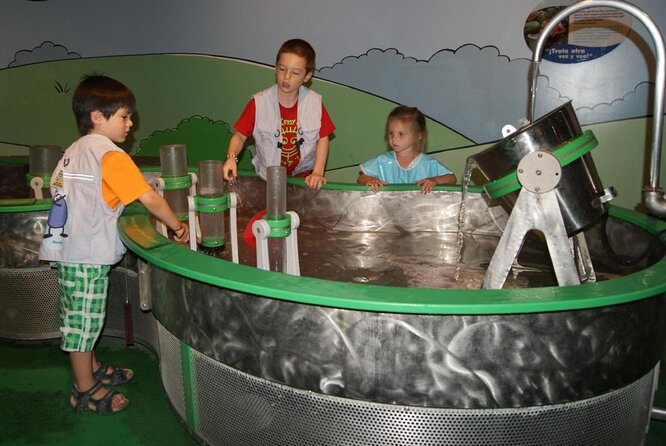
- Family-friendly standouts are real anchors: Franklin Park Zoo and Boston Children’s Museum are built for hands-on time.
- Some big names may require reservations or checking availability: Salem Witch Museum, Harvard Tour, and Boch Center tours need planning.
- Some “included” items are marked as not available in the pass details you’re given: You’ll want to confirm in the app before you build your day.
Boston Pass at a Glance: What You’re Really Buying
You’re not buying a guided tour here. You’re buying access—digital, flexible, and designed to let you hit multiple paid attractions without doing the ticket math every morning.
The value idea is simple: Boston’s top sights can add up quickly, especially if you plan a mix of museums, ship-related history, and family attractions. If you use your pass for enough stops in a short window, it usually feels like a smart deal rather than a gimmick. And if you’re short on time, it can reduce the mental load of deciding where to start.
That flexibility matters because Boston doesn’t work like a compact theme park. You’ll likely combine neighborhoods, then circle back the next day. This pass is built for that “plan, walk, swap, repeat” rhythm.
Price and Value: When $79 Starts to Make Sense

This pass is listed at $79 per person, with durations that can run from 1 up to 7 days. Even without seeing every individual ticket price in front of you, you can judge value by the types of attractions included.
You’re getting access to major paid destinations such as:
- large museums (Museum of Science, Museum of Fine Arts),
- a zoo (Franklin Park Zoo),
- a landmark ship museum (USS Constitution Museum),
- an observation deck with 360-degree views (Prudential Tower’s Boston Observation Deck),
- and the big “first-timer” style experiences (Boston Harbor City Cruises, trolley touring).
If your plan includes multiple stops in the same day, or you’re doing a multi-day trip where you’d otherwise buy several separate tickets, the pass can be worth it fast. If your plan is mostly free sights (parks, neighborhoods, viewpoints you can reach without paid entry), then you may feel like you’re paying for options you won’t use.
My practical rule: if you’ll use the pass for at least a handful of the paid anchors, you’re in good shape. If you’re hoping to “sprinkle” one or two attractions, you might be happier paying individually.
Using the Go City App Like a Pro: Avoid the Common Friction

This is where most frustration shows up with digital passes—so this is also where you can protect yourself.
Start with the basics:
- Get the pass into your Go City app right away.
- Use the app to plan each day.
- Check the attraction details inside the app close to your visit date.
A few people ran into QR or access problems because they didn’t fully sync what they purchased with the Go City app. I recommend doing this early—before you even leave your hotel—so you’re not troubleshooting at a ticket gate.
Also remember two key rules built into the pass:
- Each attraction can only be visited once.
- Your pass activates on your first attraction visit and then runs for the consecutive calendar days you purchased (not 24-hour blocks).
So don’t “save” your first scan for later unless you mean to. Pick a first stop that you’re sure you’ll do on day one.
Planning Days: How to Build a Route Without Wasting Time

You’ll waste time if you treat the pass like a checklist. Instead, treat it like a route planner.
A simple way to structure your days
- Pick one heavy anchor (big museum, zoo, or a long guided tour).
- Add one timed experience (cruise, observation deck, theater tour).
- Fill the rest with walkable extras nearby (and save distant stops for another day).
Boston punishes long, cross-town commutes if you pack too much into one day. If you want outer-perimeter stops, it can help to use local transit or trolley options that move you between major points.
Reservations you shouldn’t ignore
Some included items require reservations, so they’re not “show up whenever.” In the pass details, you should expect reservations for:
- Salem Witch Museum
- The Harvard Tour
- Boch Center – Wang Theatre tours (advance reservations are recommended)
If you’re traveling during peak periods or on limited schedules, reserve those early in the app.
Your Included Stops, Explained: What Each One Is Best For
Below is how I’d think about each stop—what it’s good for, and what to watch.
Museum of Science: Hands-on fun for every age
Expect interactive exhibits and a big mix of topics, from electricity and the human body to dinosaurs and animals. It’s a strong rainy-day choice and a place where kids can burn energy productively. The main drawback is sheer size—give yourself time so you don’t rush through it.
City View Trolley Tours (seasonal): A quick way to learn the city
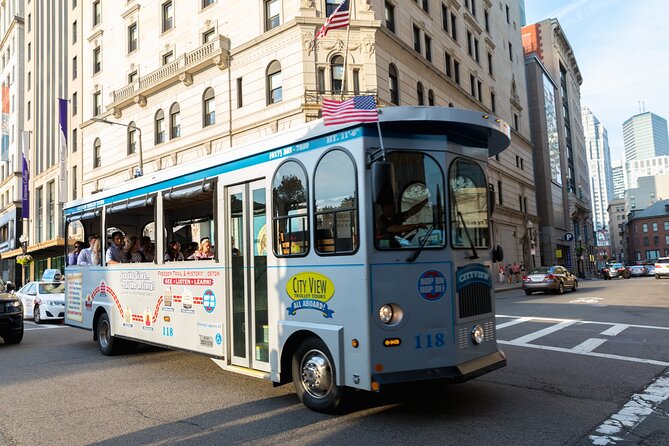
This hop-on hop-off trolley is narrated and designed to cover the “greatest hits” efficiently. The trolley is listed as seasonal and closed Dec–Mar, so check your dates. It’s also useful as a moving pause—less walking, more map-learning.
Paul Revere House: Where the Revolution story becomes real
This is an old downtown landmark tied to Paul Revere’s 1775 ride and the American Revolution. It works best if you want context before you visit other history stops. Plan for the fact that it’s a focused site, not a long wandering area.
Boston Observation Deck (Prudential Tower): 360-degree views
From the 52nd floor, you get a sweeping view of Boston. It’s one of those experiences that quickly turns “where am I” into “got it.” The practical watch-out is timing—if you go at a busy hour, you may spend more time waiting than you want.
Boston Children’s Museum: Real play, not just looking
Kids can climb, navigate, and create art, and the museum is built around hands-on learning. It’s ideal if you have children who want to do something every few minutes. Adults should note: it’s kid-forward, so bring patience and let the kids lead.
Salem Witch Museum: The theatrics are part of the point
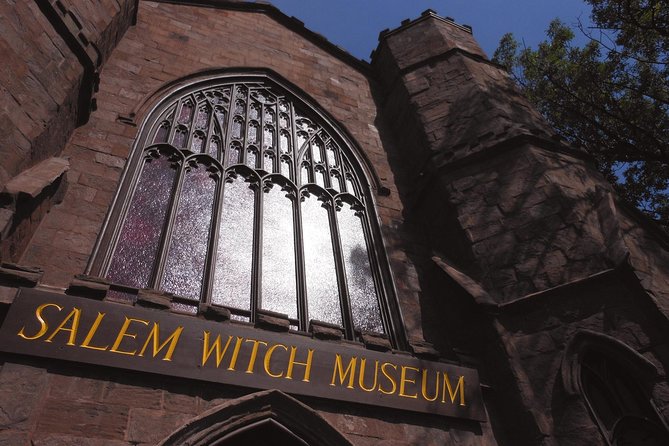
This is a staged trip into 17th-century Salem with the witch trial story brought to life. Reservations are required, so treat it like a booked event, not a casual stop. Also, it’s emotionally intense history—your crew may want a break after.
Harvard Tour (theatrical campus tour): Student-led storytelling
The Harvard Tour is described as an exclusive, insider experience led by students, with stops including Harvard Square and Harvard Yard. It sounds like the show is part of the delivery, so go with curiosity. This also needs advance planning in the app.
Museum of Fine Arts: Big, serious museum time
The MFA is huge, with major holdings spanning many cultures and eras. It’s great if you like museums where you can choose your own focus. The drawback is time—this is not a quick stop unless you intentionally limit what you’ll see.
Swan Boats: Classic Boston, low effort
Swan Boats are a long-running Boston tradition. They’re foot-pedal, not real swans, but the ride gives an easy change of pace from walking. It’s short, so think of it as a fun add-on rather than your main event.
Harvard Museum of Natural History: A natural-world stop (check availability)
Dinosaurs, insects, minerals, meteorites—you get a wide range of natural specimens. In the pass details you provided, it’s marked as currently unavailable, so you must verify in the app before depending on it.
Plimoth Patuxet Museums: 17th-century New England history
This is where history becomes “walk around and look closely.” You explore an authentic settlement, meet reenactors, and experience period crafts and domestic trades. It’s one of the best options for people who want more than a museum gallery. You may also want to budget extra time for the living-history vibe.
Plimoth Grist Mill: Working reproduction mill (check availability)
This is a working reproduction of a 1636 mill, including how it works and a chance to take home stone-ground cornmeal. In your provided details, it’s marked currently unavailable, so don’t build your schedule around it until you confirm.
Samuel Adams Boston Brewery – Jamaica Plain: Beer history + tour time (check availability)
This stop is framed as a history-forward brewery experience. It’s marked currently unavailable in the pass details you shared, so double-check availability in the app. If it’s running on your dates, it’s a good option for adults who want something less museum-like.
Boston Harbor City Cruises: The classic harbor overview
This 90-minute cruise takes you through inner and outer harbor routes with commentary about the Revolutionary War and maritime lore. It’s a newcomer-friendly choice and also helpful if you’re trying to orient yourself for future walks and neighborhoods. The main watch-out is weather, since cruises care about wind and conditions.
Peabody Essex Museum: Art and objects from the sea world
Expect an “old ports and far travels” feel, with sea captain collections and lots of cultural materials. It’s not just a museum room—it includes distinctive features like an 18th-century Chinese merchant house reassembled in the US. Plan for a decent chunk of time if you want to actually see more than the highlights.
House of the Seven Gables: Colonial mansion with literary ties
This includes a tour plus access to the Nathaniel Hawthorne House. Built in 1668, it’s an old New England wooden mansion tied to the novel’s popularity. It’s a compact, story-focused stop, so it pairs well with other Salem-area experiences.
Isabella Stewart Gardner Museum: Art in a palace-like setting
This museum is known for a striking building modeled after a Venetian palazzo and filled with plants and art. It’s great if you like art settings that feel like a designed experience, not just a warehouse of paintings. If you’re short on time, you may need to pick a few rooms rather than trying to see everything.
Franklin Park Zoo: A strong family anchor
Franklin Park Zoo is a 72-acre site with themed exhibits where you get up close to animals. It’s one of the best ways to spend time outdoors without needing to plan a “safari day.” The watch-out is that zoos take time—if you’re squeezing in too many other stops, it can throw off your day.
Louisa May Alcott’s Orchard House: Little Women in the real setting (check availability)
This is a guided tour of the farmhouse setting connected to Little Women. In your pass details, it’s marked currently unavailable, so confirm before you plan. If it is running, it’s a cozy break from big museum crowds.
Concord Museum: A quieter history stop
This museum covers American history with artifacts from multiple centuries, housed in a colonial-revival building. It works well if you want something calmer and more “country road” than big-city museum halls. The trade-off is that it may not be as hands-on as some other stops.
Peabody Museum of Archaeology and Ethnology: Totems and ancient world objects (check availability)
This is focused on cultural history with exhibits that include Native American totem poles and major sculptures, plus artifacts from ancient civilizations. In the details you shared, it’s marked currently unavailable, so verify in the app. It’s a strong choice if you like world culture and archaeology.
Hy-Line Cruises: Harbor cruise from Hyannisport
This is a one-hour locally operated cruise around the Hyannis area and landmarks. It’s lighter than the Boston Harbor cruise, which can make it a nice Cape-side add-on. Weather matters here too, so check conditions when you book your day.
Buckman Tavern: American Revolution story in a restored tavern
This National Historic Landmark includes a self-guided audio tour. It’s connected to the morning of April 19, 1775, when Lexington militiamen gathered to await British troops. It’s shorter, so it pairs well with longer history sites nearby.
USS Constitution Museum: Ship story plus museum access
The museum tells the story of the ship dating to 1797, known as Old Ironsides. Importantly, the USS Constitution vessel itself is free to visit and doesn’t require your pass for ship access. So you may get even more value by doing both museum and ship time.
Boch Center – Wang Theatre tours: Stage history with a backstage feel
This tour explains the theater’s architecture and history, including legends associated with the stage. It also notes that advance reservations are recommended. It’s a great pick for theater lovers who want a behind-the-scenes style tour without needing a ticketed performance.
Where the Pass Helps Most—and Where You Still Need to Think
The pass is strongest when it covers your major paid “anchors,” not when it’s used for scattered small items.
Also, it’s worth planning for situations where something doesn’t take the pass as expected, or where seasonal schedules change. Your safest move is to confirm each attraction entry inside the Go City app right before you go, not just rely on the initial list.
Transportation is the other reality check. The pass includes admission, not a city-wide transport pass. You’ll still be walking and using public transit, taxis, or shuttles between neighborhoods. The trolley option can help with that, but it’s seasonal, so plan alternatives.
Finally, remember the experience requires good weather. That usually means outdoors portions (cruises, parks, and zoo time) are the spots most likely to be affected.
Who Should Book the Boston Pass (and Who Might Skip It)
This pass is a good match if:
- you want to do multiple paid attractions in a short trip,
- you like flexibility more than a fixed itinerary,
- you’re traveling with kids and want hands-on anchors like the zoo and children’s museum,
- you want the convenience of one digital pass instead of hunting tickets.
You might skip it if:
- your travel dates fall during seasonal closures for key included options,
- you only plan to do one or two paid sights,
- you strongly prefer a single-ticket, single-location approach with zero digital troubleshooting.
If you’re someone who loves structure, you might still enjoy it, but you’ll need to do a bit of planning up front in the app. The pass rewards organization.
Should You Book It? My Decision Guide
Book this if you can say yes to most of these:
- You’ll use the pass for multiple major attractions, not just one.
- You’ll check reservations ahead of time.
- You’re willing to confirm which items are running on your dates in the Go City app.
Think twice if your trip window hits seasonal shutdowns or you don’t want to manage reservations. Also, build your itinerary with backup options so you’re not stuck if one attraction is down or unavailable on the day.
If you do the planning part and use the app early, the Boston Pass can turn a busy city into a manageable, value-friendly trip—especially with Franklin Park Zoo and the science and museum anchors doing the heavy lifting.
FAQ
How do I get admission using the Boston Pass?
You save the digital pass in the Go City app and then tap or scan for entry at participating attractions.
How many days can I choose with this pass?
You can choose passes valid for 1, 2, 3, 5, or 7 days.
When does the pass start counting?
Your pass is activated when you visit your first included attraction, then it remains valid for the number of consecutive calendar days you purchased.
Do I need reservations for included attractions?
Some attractions require reservations. The pass details note reservations for Salem Witch Museum, Harvard Tour, and tours at Boch Center – Wang Theatre (advance reservations recommended).
Are transportation and food included?
Food and drinks are not included (unless specified). Transportation to and from attractions is not included unless stated for a specific activity.
Can I cancel for a refund?
This experience is non-refundable and cannot be changed for any reason. If it’s canceled due to poor weather, you’ll be offered a different date or a full refund.