REVIEW · BALI
Bali Zoo: Guided Ethical Elephant Care Experience
Book on GetYourGuide →Operated by Bali Zoo · Bookable on GetYourGuide
Mud, water, and consent make elephant time better. At Bali Zoo in Kampung Sumatra, this guided program turns a close animal encounter into a more thoughtful day: you learn elephant routines, watch them choose their own pace, and stay under mahout supervision the whole time.
I like two things most. First, the elephant-led format means the animals can opt out and you never have to chase, prod, or force anything. Second, the mud spa and river activities aren’t treated like a carnival; they’re explained as real care behavior—mud for skin and temperature control, plus calm brushing and supervised feeding.
One thing to plan for: extra costs can pop up later, especially for the professional photo package. If you’re on a tight budget, bring your own camera/phone and use the included time to get your shots.
In This Review
- Key highlights worth writing home about
- Why Bali Zoo’s Kampung Sumatra Elephant Care Works (Even If You’ve Seen This Before)
- The 7-Hour Flow: How the Morning Turns Into a Full Zoo Day
- Hotel Pickup, Main Entrance, and Getting Oriented at Bali Zoo
- Welcome Drinks, Snacks, and the Mahout Briefing You Actually Need
- Watching Sumatran Elephants at Their Own Pace
- Mud Spa Time: Why You’re Wearing the Right Outfit
- River Area Moments: The Fun Part That Still Stays Safe
- Guided Scrubbing, Feeding, and What Close Interaction Really Means
- Lunch, Cleaning Up, and Exploring the Rest of Bali Zoo
- Optional Upgrade: Guided Breakfast with Orangutan
- Price and Value: Does $89 Make Sense Here?
- What to Bring: The Mud-Proof Checklist That Keeps You Comfortable
- Who Should Book This Elephant Care Day (and Who Should Skip)
- Should You Book Bali Zoo’s Guided Ethical Elephant Care?
- FAQ
- What’s included in the Bali Zoo elephant experience?
- How long is the experience?
- Are elephant interactions forced or controlled by guests?
- What ages are allowed?
- Is hotel pickup offered?
- Where does the tour meet?
- What should I bring for the day?
- Is there an optional orangutan breakfast?
- Can I buy or get professional photos?
Key highlights worth writing home about
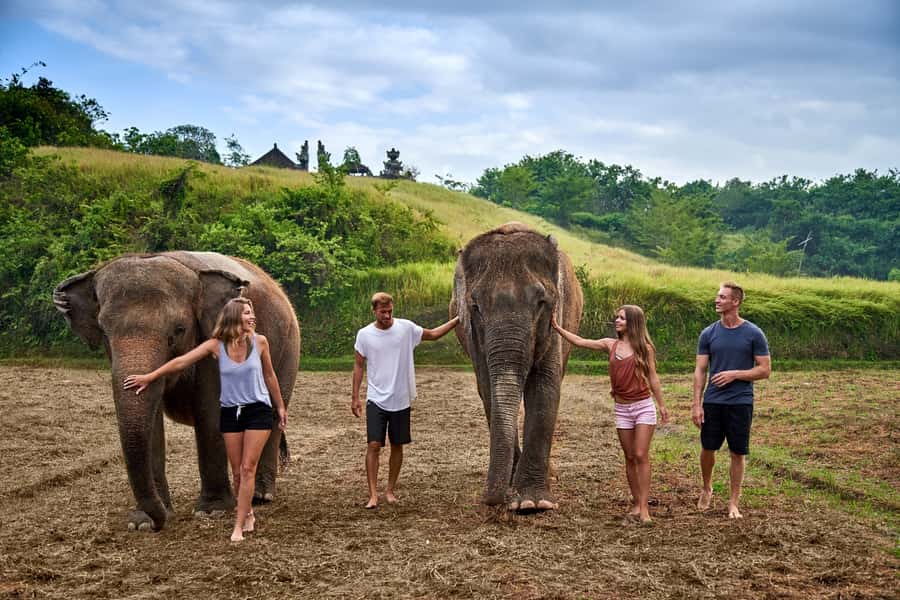
- Kampung Sumatra setup: a dedicated Sumatra elephant area inside Bali Zoo, with an English-speaking mahout briefing you early
- Elephants set the pace: no forcing, no chasing, and close-range interaction only with mahout approval
- Mud spa is explained, not staged: you learn why mud bathing supports healthy skin and body comfort
- River time with supervision: you can walk near elephants and watch natural water behavior while caregivers manage safety
- Food, lunch, and zoo access included: you’re not just dropped at a single photo stop
- Optional orangutan breakfast upgrade: add a guided breakfast experience within the zoo
Why Bali Zoo’s Kampung Sumatra Elephant Care Works (Even If You’ve Seen This Before)
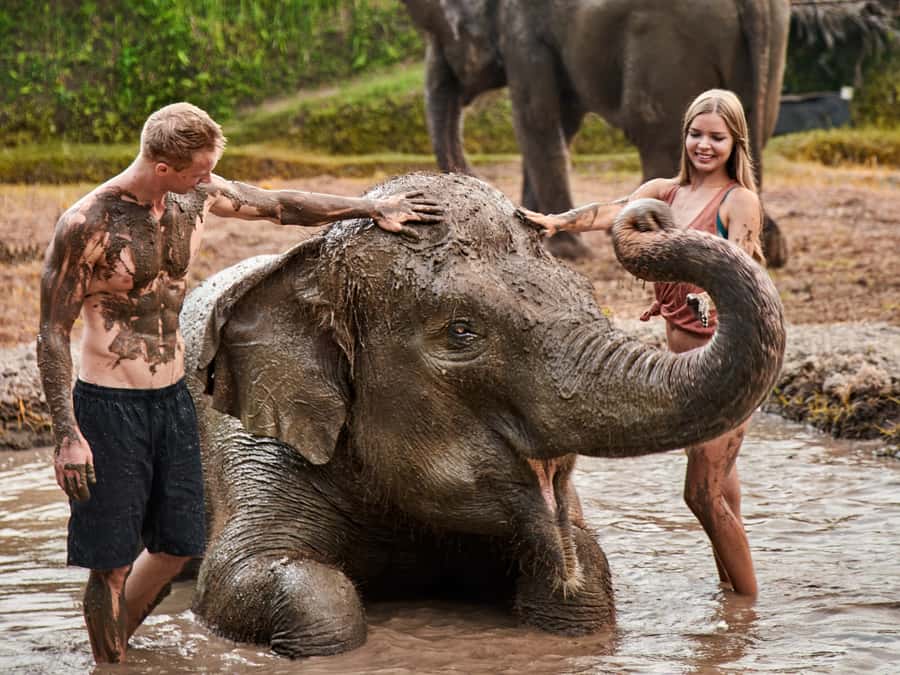
Let’s be honest. The phrase elephant experience can mean a lot of things in Bali. Here, the big difference is the structure: you’re guided, supervised, and told upfront that elephant comfort comes first.
The heart of the program is ethical, supervised elephant care in the Kampung Sumatra area. You learn what caregivers look for in daily routines and why elephants are doing what they’re doing. That matters because it shifts you from passenger to observer. You’re still interacting—just with clear boundaries and animal welfare rules.
I also like that the zoo has moved away from elephant rides on ethical grounds. The program is described as on-foot experiences (twice daily), which tends to reduce the kind of pressure and control that makes animal welfare questionable.
The 7-Hour Flow: How the Morning Turns Into a Full Zoo Day
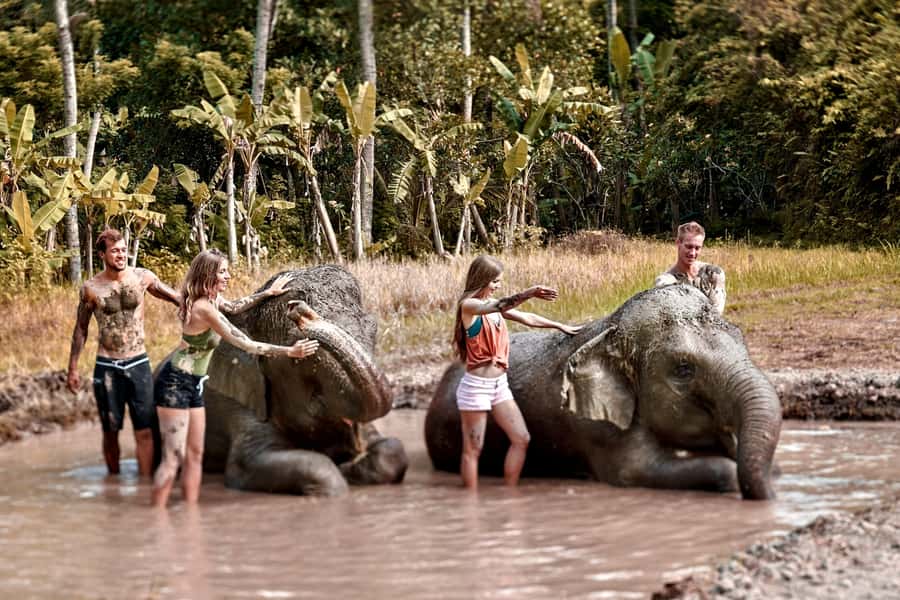
This is a 7-hour experience with a morning start and a full-feel day at the park. Your schedule usually looks like this: pickup (optional), arrival and refreshment, mahout briefing, elephant care segments (mud spa and water time), then lunch and time to explore.
If you choose pickup, early transfers run from multiple areas. For Kuta, Seminyak, Canggu, Nusa Dua, Tanjung Benoa, Jimbaran the pickup time is listed as 06:30 AM. For Ubud and Sanur, it’s 07:00 AM. That early start helps you avoid feeling like you’re sprinting all day.
The upside of this flow is simple: you’re not rushed out the moment you meet the elephants. Lunch and zoo access are built in, so you can keep the day moving at a human pace rather than treating it like a drive-by.
Hotel Pickup, Main Entrance, and Getting Oriented at Bali Zoo
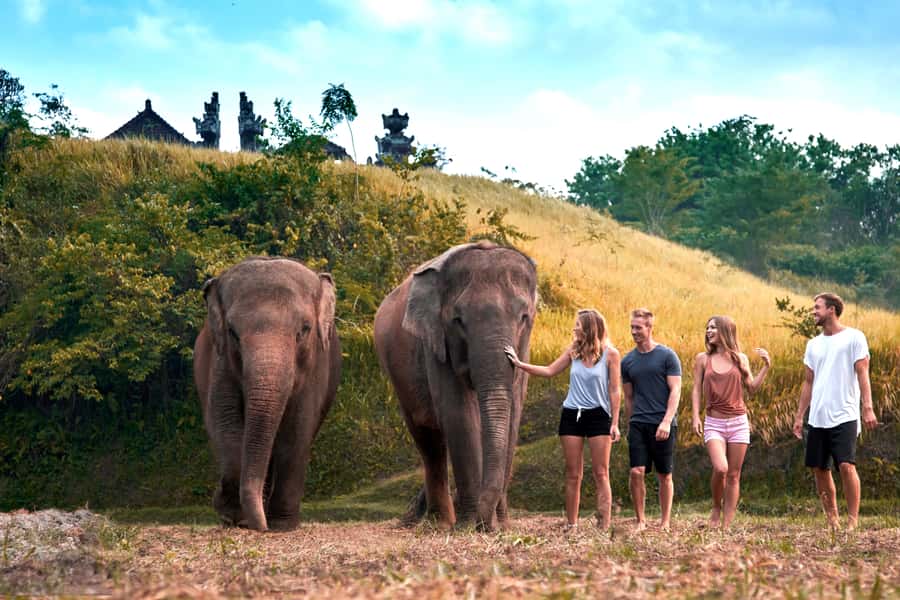
Whether you use pickup or meet at the main entrance, the program anchors at Bali Zoo’s main entrance (Jl. Raya Singapadu, Singapadu, Sukawati). If you arrive on your own, you skip the ticket line as part of the experience.
Transport quality is also a big point here. The experience lists highly-rated transfers, with 86% of reviewers scoring transport a perfect 10. That matters because Bali traffic can turn a “7-hour day” into a 10-hour day unless your transfer is reliable.
Once you’re in, you’ll be guided to the elephant program area. The biggest practical tip is to wear clothes you’re willing to get wet and muddy. The experience includes towel and includes food for feeding, so the day is designed around water and cleanup.
Welcome Drinks, Snacks, and the Mahout Briefing You Actually Need
Right after arrival, you get light refreshments and you meet an English-speaking mahout. This part is more than ceremony. You’re taught how elephants communicate, what daily care looks like, and what welfare rules are in place during your visit.
The program emphasizes strict animal welfare guidelines. You’ll be told that:
- elephants can decline interaction
- guests can’t force, chase, or control elephants
- elephant-led activities happen based on comfort and condition
- close-range viewing/interactions only happen with mahout approval
This framing changes the whole day. Instead of trying to “make the elephant do something,” you start watching for body language and routine behavior.
If you want a concrete example of how that shows up: mud bathing and skin care get explained as functional care, not a gimmick. Mud bathing helps regulate body temperature and supports skin health. You’ll hear that logic before you ever step into the mud.
Watching Sumatran Elephants at Their Own Pace
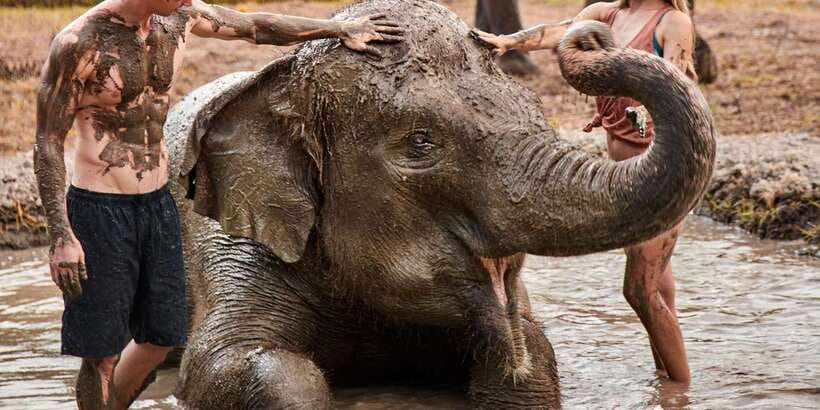
The elephant portion is built around observation and supervised interaction. You’ll watch Sumatran elephants in the Kampung Sumatra environment as they move through their areas—especially where mud and water are part of their routines.
Elephants aren’t treated like a machine you can work. They choose when they approach, how close they get, and what activity they participate in. Your job is to follow caregiver cues and keep your distance when the mahout says to.
If you’re the type who worries about safety, you’re going to feel better here because the rules are explicit: you don’t control the interaction. The mahout handles the coordination. And if an elephant seems uninterested, the program adjusts rather than pushing forward.
In the reviews, guide names come up often—people mention mahouts like Purna and Nicki, and guides such as Nike Hero. You might not get the same guide, but that’s a good sign that the briefing is taken seriously and people notice the difference.
Mud Spa Time: Why You’re Wearing the Right Outfit
The mud spa is the headline activity, but it’s also the most misunderstood if you go in with the wrong expectations. This experience explains why elephants mud-bathe—temperature regulation and skin support—then guides you through a supervised, consent-based interaction.
You may get the chance to play alongside elephants in mud and observe natural behaviors. The elephants decide how involved they are. You’ll likely hear caregivers explaining what they’re looking for: signs of comfort, normal movement, and how elephants use mud as part of their day.
Practical note: mud is messy by nature, and water adds slickness. Bring sandals or footwear that can handle getting wet. Change of clothes is a real must, not a suggestion.
River Area Moments: The Fun Part That Still Stays Safe
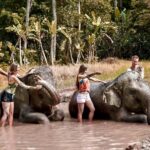
After mud, the program includes time around river areas. You’ll learn how caregivers manage daily care calmly and respectfully, and you’ll observe elephant water behavior. In several accounts, elephants end up squirting water and using trunks in playful ways, but it still stays supervised.
This is one of those parts where your attitude matters. Stand where the mahout tells you, keep movements slow, and let the elephant come to you instead of leaning in for a closer shot.
If you get matched to an elephant described as older or slightly grumpy (Anna is one name mentioned in the details you shared), don’t panic. That same account says the elephant still participates when she wants to, including offering her trunk for extra scrubbing if you stop. Translation: elephant personality changes how the interaction feels, but the welfare rules stay in place either way.
Guided Scrubbing, Feeding, and What Close Interaction Really Means
Close-range interaction here is real, but it’s controlled. You may participate in bathing and scrubbing using brushes. Feeding is also included, with food for the feeding part of what you get.
This is the segment where people usually relax the most. It’s hands-on, it feels memorable, and it’s also where you most need to respect the mahout’s pacing. You’re allowed to interact—but only under training and supervision.
You’ll want to think of it as guided caregiving, not a free-for-all. The difference is big:
- you’re following caregiver timing
- the elephant leads comfort level
- the staff prevents forcing
- interaction stops if the animal isn’t into it
In the details you provided, elephants mentioned in connection with the program include Anna, Adele, and Tina. Each elephant can respond differently, from trunk-offering moments to more reserved body language. That variety is normal and part of learning.
Lunch, Cleaning Up, and Exploring the Rest of Bali Zoo
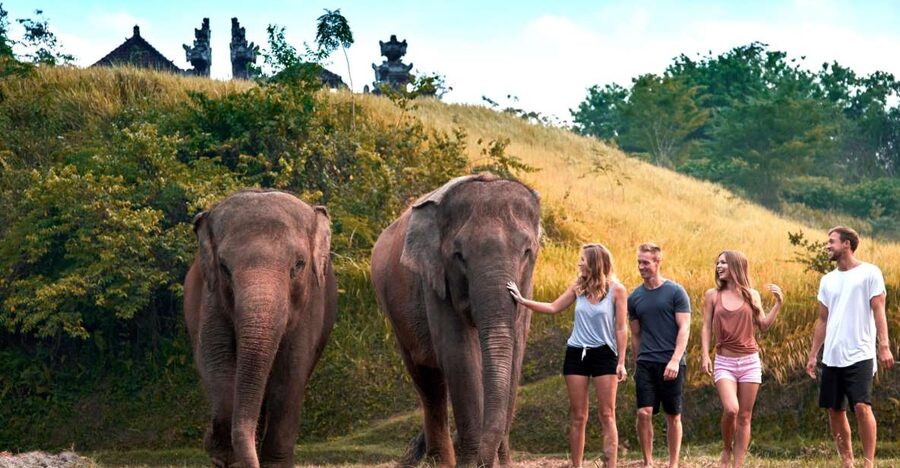
After the elephant portion, you refresh and enjoy lunch. Lunch is included, and a towel is provided, which makes the cleanup part easier.
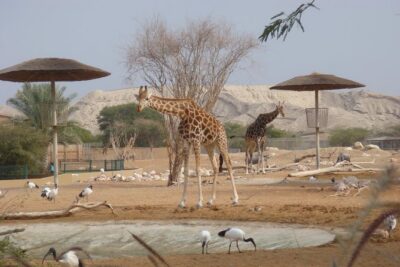
Then you get access to explore Bali Zoo, which is a big plus if you don’t want your day to end the moment the elephants are done. The zoo is described as having natural enclosures and a range of animals beyond elephants, including tigers, exotic birds, and other conservation programs.
One practical heads-up from the real-world feel of this kind of day: zoo paths can be wet and slick after the water portions. Wear footwear with grip and plan slower steps near entry slopes or shaded areas.
Also, there’s a reality check on lunch variety. In one account, vegetarian options were described as limited to salad and boiled rice. If you’re vegetarian, it’s worth mentally preparing for that possibility.
Optional Upgrade: Guided Breakfast with Orangutan
If you upgrade, you add a guided breakfast experience with orangutans inside the zoo. It’s described as supervised and aligned with ethical wildlife viewing guidelines.
This option is best if you like mixing conservation education with a unique time-of-day encounter. Breakfast upgrades can also help you turn a single animal day into a two-act day: elephants plus another primate conservation story.
One consideration: if you choose the upgrade, pay attention to where you’re told to go next. In the details you shared, one person noted that after orangutan breakfast they had trouble finding where to go for the elephant mud part because signage wasn’t clear. That doesn’t mean it will happen to everyone, but it’s smart to ask staff for specific directions and confirm the meeting point before you move on.
Price and Value: Does $89 Make Sense Here?
At $89 per person for a 7-hour program, the value depends on what you want from Bali Zoo.
Here’s what’s included that pushes the value higher:
- zoo admission
- welcome drinks and snacks
- English-speaking mahout
- food for feeding
- lunch
- towel
- insurance
- return transfers depending on your pickup option
- optional orangutan breakfast upgrade
So you’re paying for a guided, welfare-focused experience plus a full zoo day, not just a short elephant photo stop.
The biggest “watch your wallet” part is the professional photography. Photos aren’t listed as included, and in the details you provided, people describe the elephant photo package as expensive, with one specific price mentioned around 1.5 million IDR for photos. If you want lots of photos, take your own throughout and consider the photo package only if you truly care about those specific shots.
Personal expenses are the only major non-included cost listed, so you’re not constantly facing surprise add-ons beyond photos.
What to Bring: The Mud-Proof Checklist That Keeps You Comfortable
This experience has a clear water-and-mud theme, so pack like you’re going to a casual swim day where the elephants are in charge.
Bring:
- change of clothes
- sandals
- sunscreen
- swimwear
A simple strategy: wear swimwear under clothes you can change out of quickly. Bring a plastic bag for wet items if you have one. The included towel helps, but it doesn’t replace the need for a full change.
Who Should Book This Elephant Care Day (and Who Should Skip)
This program is suitable for adults and children aged 12 and above. Children also need a minimum height requirement of 120 cm to participate, and children meeting the height requirement are charged the adult price.
It’s marked as not suitable for:
- pregnant women
- people with mobility impairments
- people under 120 cm
If you’re traveling with kids, it’s worth thinking about how a 7-hour day in wet conditions will feel. If your group likes animal welfare rules and learning what elephants do in the wild and in care settings, you’re going to enjoy it.
If your main goal is an adrenaline-style activity where you control everything, this may feel different because the elephants set the pace and the mahout controls the interaction.
Should You Book Bali Zoo’s Guided Ethical Elephant Care?
Book this if you want a structured, mahout-supervised elephant day that focuses on education and animal welfare. The mud spa and river time are the memorable parts, and the explanations about skin care and temperature control help you see the experience as real care behavior.
Skip—or at least rethink—if you’re not comfortable with wet, muddy paths, or if you’re hoping for a totally self-directed interaction with animals. Also consider whether the optional orangutan breakfast is worth the extra time for your schedule, especially if you want everything to feel simple and low-stress.
If you do book, I’d go in with two goals: watch what the elephants do when they choose, and keep your feet sure on slick areas. That combo turns a fun day into a thoughtful one.
FAQ
What’s included in the Bali Zoo elephant experience?
The experience includes Bali Zoo admission, welcome drinks and snacks, an English-speaking mahout, food for the feeding, lunch, a towel, insurance, and return transfers depending on the option you choose. An orangutan breakfast upgrade may also be available depending on your booking.
How long is the experience?
The duration is listed as 7 hours.
Are elephant interactions forced or controlled by guests?
No. All interactions must be guided and supervised by trained mahouts. The elephants’ activities are based on the elephants’ willingness, and guests are not allowed to force, chase, or control them.
What ages are allowed?
This program is suitable for adults and children aged 12 and above. There is also a minimum height requirement of 120 cm.
Is hotel pickup offered?
Pickup is optional and is available for Kuta, Seminyak, Canggu, Nusa Dua, Tanjung Benoa, Jimbaran, Sanur, and Ubud. Pickup times are listed as 06:30 AM for Kuta/Seminyak/Canggu/Nusa Dua/Tanjung Benoa/Jimbaran and 07:00 AM for Ubud and Sanur.
Where does the tour meet?
The meeting point is Bali Zoo main entrance, Jl. Raya Singapadu, Singapadu, Sukawati, Kabupaten Gianyar, Bali 80582, Indonesia.
What should I bring for the day?
Bring a change of clothes, sandals, sunscreen, and swimwear.
Is there an optional orangutan breakfast?
Yes. An optional upgrade may be available for a guided breakfast with orangangutan, conducted under staff supervision and ethical wildlife viewing guidelines.
Can I buy or get professional photos?
The experience includes a professional photography presence at the elephant portion, but photos are not listed as included. Based on the details shared, photographers offer additional photos for purchase after the activities.