REVIEW · SCHWERIN
1-day ticket for Schwerin Zoo
Book on GetYourGuide →Operated by Zoo Schwerin · Bookable on GetYourGuide
Zoos feel different here because it’s built in nature. I like the lakes-and-forest setting and the way you’re walking through a real, calm landscape instead of a stiff, grid-like park.
You’ll also like two big upgrades to a normal zoo day: the Red List Center at the entrance, and the easy, feel-good stop at the festival meadow with free-roaming prairie dogs. One thing to keep in mind is that the zoo can feel fairly efficient for a one-day ticket, so if you’re traveling with very little kids who need lots of play time, plan your breaks carefully.
In This Review
- Key things I’d plan around
- Schwerin Zoo’s Nature Setting Makes the Whole Day Easier
- The Red List Center: Where You Understand the Why
- The Animal Lineup: What to See for a One-Day Hit List
- Asiatic lions, David’s deer, and Rothschild giraffes
- Southern white rhinos in a true savannah space
- Viewing Rhythm: How to Walk the Zoo Without Missing the Best Stops
- Festival Meadow and Prairie Dogs: The Fun Detour That Works
- Breaks, Playgrounds, and Snacks: Plan for Real Family Needs
- Tickets, Value, and Getting Through the Gate Smoothly
- Bring Your Dog (On a Lead) and Keep It Relaxed
- Who Should Choose Schwerin Zoo for a Day?
- Should You Book a Schwerin Zoo Day?
Key things I’d plan around
- World-unique Red List Center right at the entrance, focused on the IUCN Red List and endangered species
- Around 1,700 animals across about 150 species, many of them endangered
- Southern white rhinos in an 8,000-square-meter rhino savannah, one of the zoo’s standout areas
- Asiatic lions, David’s deer, and Rothschild giraffes for a focused list of “go see this” animals
- Festival meadow + free-roaming prairie dogs, a fun change of pace from big-enclosure viewing
- Kids’ breaks are available, but play options may feel limited for some ages
Schwerin Zoo’s Nature Setting Makes the Whole Day Easier
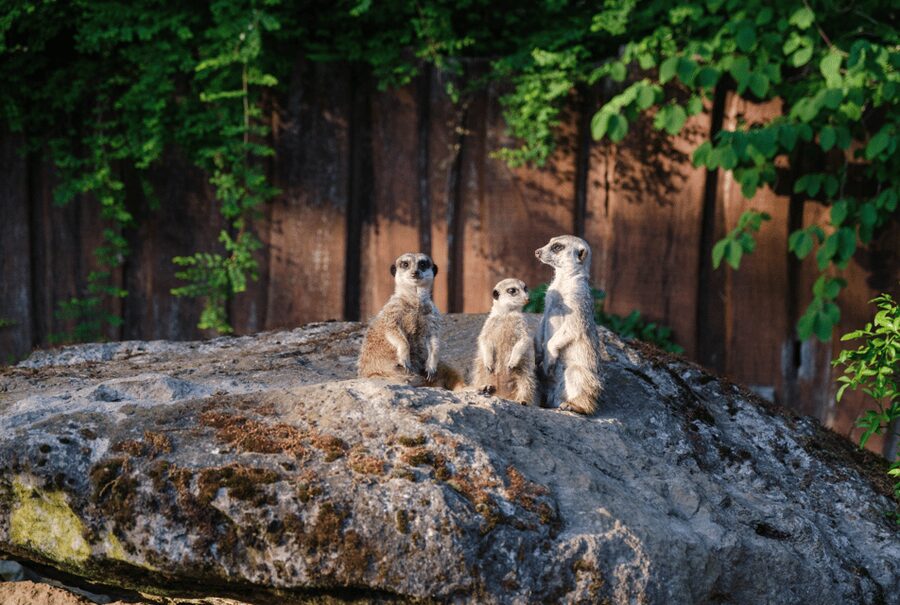
Schwerin Zoo sits in northern Germany’s state capital area of Mecklenburg-Vorpommern, and the best part is how naturally it’s laid out. It’s on about 25 hectares and surrounded by lakes and forest, so the day has a slower rhythm than many city zoos. Even if you’re only there for a single day, the grounds help you feel like you’re doing something outdoor-first, animal-second (in a good way).
I also appreciate the scale for a 1-day ticket. You’re not facing a whole-day marathon unless you want one. With a planning window of about 1.5 to 3.5 hours, you can see the animals that matter to you without turning your day into a sprint.
The zoo also leans heavily into conservation. The information around the enclosures is meant to be more than decoration, and the animal mix is weighted toward species that are threatened. That makes the visit feel purpose-built, even while you’re just trying to enjoy the animals.
The Red List Center: Where You Understand the Why
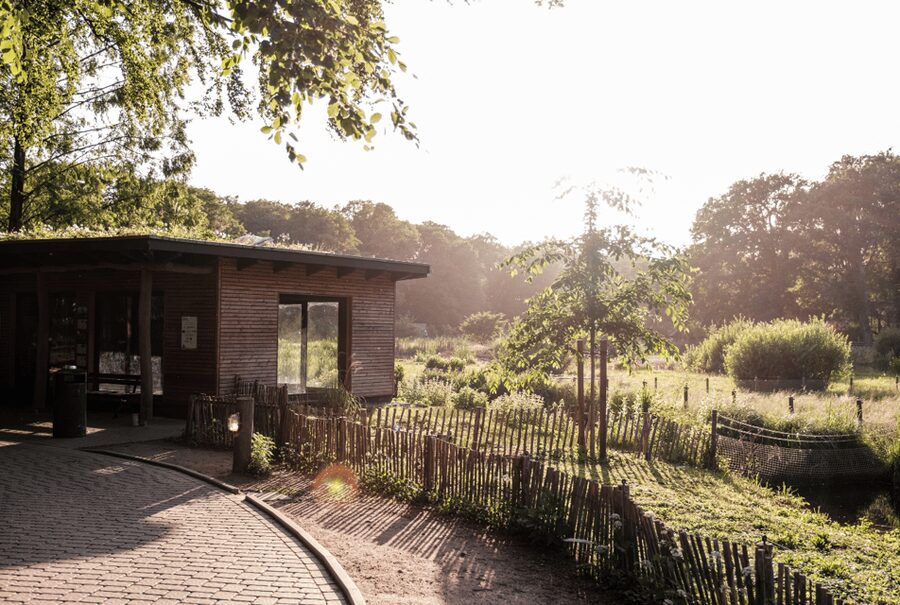
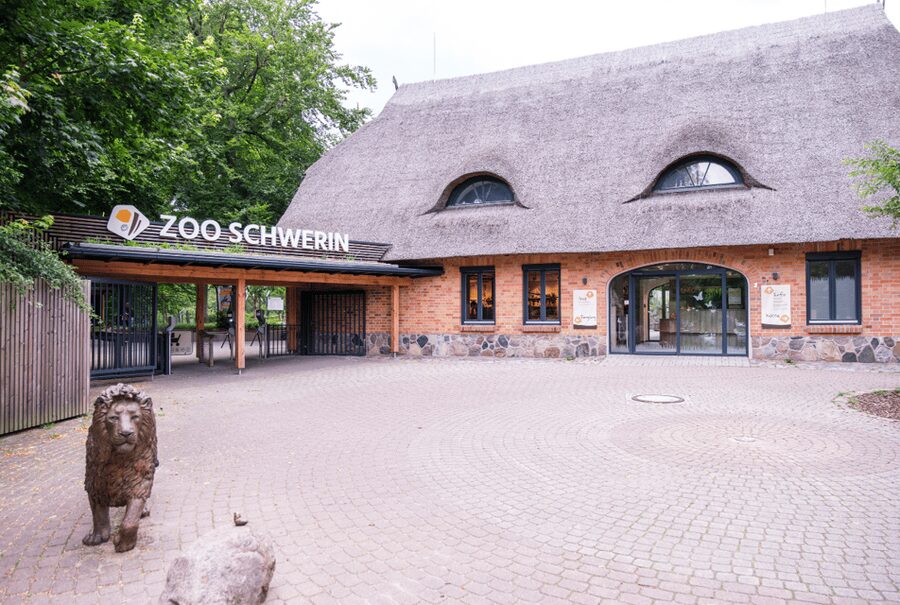
If you only do one “non-animal” thing at Schwerin Zoo, make it the Red List Center. It’s located in a building right at the entrance, so you can catch it early and then let it shape how you look at everything afterward.
This center focuses on the IUCN Red List, the worldwide system used to categorize how endangered species are. You’ll get context for what the Red List means and why it matters, and that adds real weight to the zoo’s animal choices. Instead of treating conservation like a poster on a wall, the center gives you a clear framework.
What’s also smart is timing. Since it’s by the entrance, you don’t lose your momentum hunting it down later. I like hitting it early because it helps me spot what I’m seeing with more meaning, especially when the zoo includes animals that are rare for this region.
The center also ties into the zoo’s broader conservation angle through the experience style called an extended discovery route. Even without a guided tour, you can still get insights into animals’ lives and what conservation work is trying to accomplish.
The Animal Lineup: What to See for a One-Day Hit List
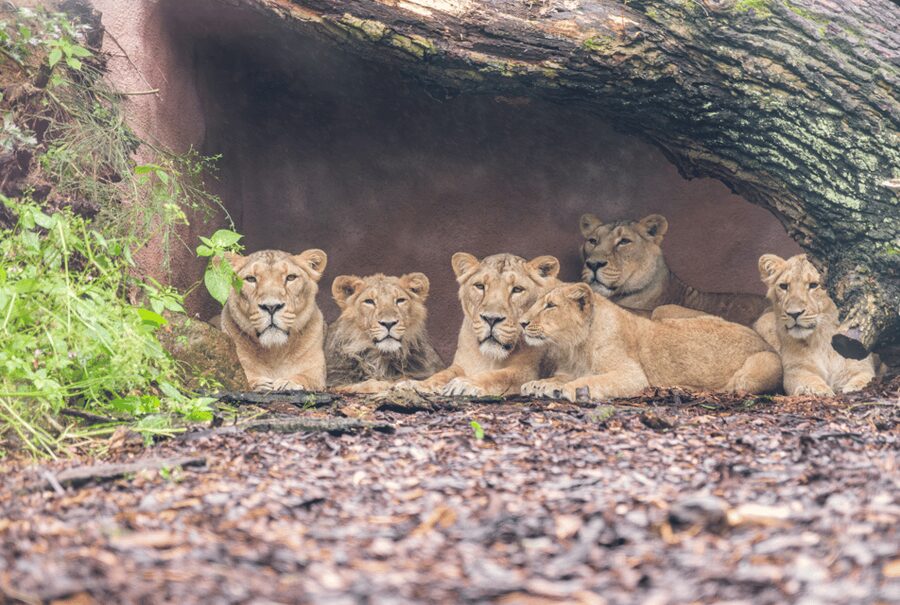
Schwerin Zoo has about 1,700 animals from 150 species, and the majority are considered endangered. That means you’re not just looking at a few rare species for a photo—many parts of the zoo carry that same conservation emphasis.
Here are the animals that you can plan around, because they’re specifically highlighted as part of the zoo’s experience:
Asiatic lions, David’s deer, and Rothschild giraffes
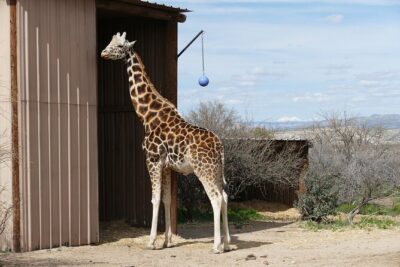
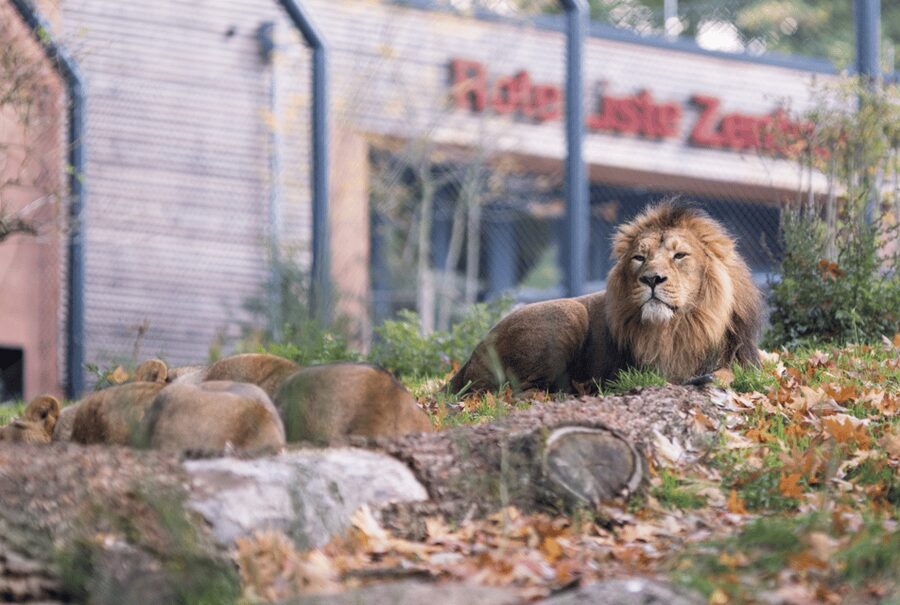
These three give you a great mix of big-and-broad looks across different animal groups. Asiatic lions help you focus on a classic “wow animal,” while David’s deer and Rothschild giraffes steer you toward species that need conservation attention. If you like building a quick itinerary in your head, this is a solid set to anchor your walk.
Southern white rhinos in a true savannah space
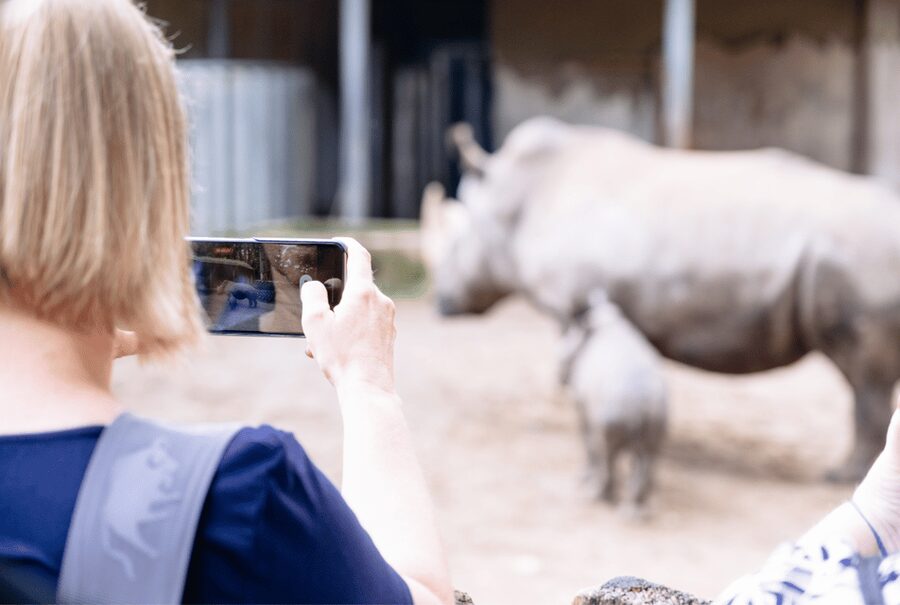
One of the most distinctive features at Schwerin Zoo is its 8,000-square-meter rhino savannah for southern white rhinos. The size matters because it changes your viewing experience. Instead of peering at a small yard, you’re usually looking at animals with more room to move naturally.
There’s also a location-based reason this can feel special: the zoo notes that these rhinos are the only representatives of their species in the far north. That turns it from a generic “see rhinos” stop into a meaningful regional rarity.
If you’re going with someone who’s not a “zoo person,” this is often the area that wins them over fastest, because it feels like a habitat, not just an exhibit.
Viewing Rhythm: How to Walk the Zoo Without Missing the Best Stops
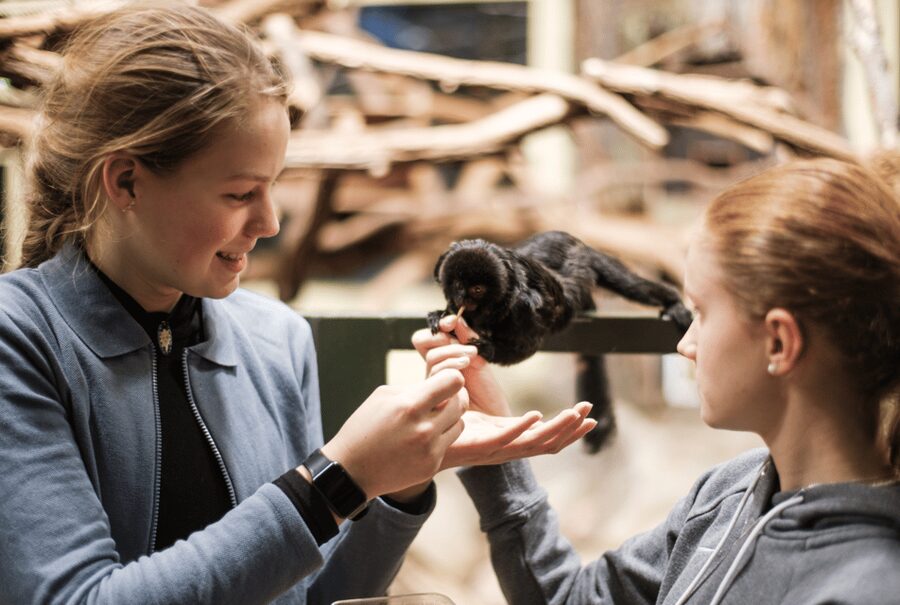
A zoo day gets better when you don’t over-plan. Schwerin Zoo’s natural layout and easy-to-follow experience makes it workable in a short time, but you’ll still want a simple route logic.
Here’s how I’d structure it for a one-day visit:
Start at the entrance and do the Red List Center early. Then, as you move outward, keep your main animal list in mind—lions, deer, giraffes, and rhinos—because those are the most clearly featured highlights. Along the way, take short breaks where you need them, since the zoo offers plenty of rest areas.
Then, save the more playful section for later in the day. The festival meadow and the free-roaming prairie dogs are exactly the kind of change-up that makes a zoo feel lighter after you’ve been focused on bigger species. Timing it near the end helps keep your energy up, especially if you’re traveling with kids.
One practical note: you don’t have to rush for every enclosure. With a recommended visit time of 1.5 to 3.5 hours, you’ll enjoy it more if you choose “must-sees” and let the rest be bonus sightings.
Festival Meadow and Prairie Dogs: The Fun Detour That Works
Not every zoo has a moment that feels like a break, not a chore. Schwerin Zoo does, and it’s centered on the festival meadow with free-roaming prairie dogs.
This area changes the tone. After watching larger animals and reading conservation info, you get something more active and casual. Prairie dogs are naturally engaging, and the fact that they’re described as free-roaming means you can often watch them without that constant barrier feeling that some enclosures create.
It’s also a strong family moment. Even if you’ve spent most of the day managing attention spans, this kind of stop gives everyone a “we can relax here” option. The meadow format also pairs well with a snack break.
Breaks, Playgrounds, and Snacks: Plan for Real Family Needs
Schwerin Zoo has playgrounds and rest areas for small and large breaks, and it also offers food options if you don’t want to pack a picnic. You can use catering facilities, grab snacks in the zoo store, and in good weather there’s also a kiosk.
That said, I’d be honest about how play may land with kids. One concern that comes up is that the playground may feel geared toward younger children, and it may not be enough for older kids who need more active time. In particular, the available play setup might not keep everyone happy for the full duration, which can make the park feel like it finishes quickly.
So I recommend this approach: treat the zoo as an animal-and-meadow day, not a dedicated playground day. If your child needs frequent “let off steam” stops, plan extra time for rest breaks and be ready to supplement with your own snacks or simple activities.
And if you’re traveling with a stroller or have mobility needs, the zoo is described as wheelchair accessible, so you should be able to navigate comfortably.
Tickets, Value, and Getting Through the Gate Smoothly
A 1-day ticket for Schwerin Zoo is listed at about $16 per person, and for a zoo visit with conservation focus, that’s fairly solid value—especially given the number of animals and the unique Red List Center. You’re not just paying for a walk with animals; you’re paying for a full-day-feeling experience that includes education and a standout exhibit concept.
A second value point is flexibility. You can plan a visit window of 1.5 to 3.5 hours, which helps if you’re juggling other stops in Mecklenburg-Vorpommern.
The only practical snag I’d watch for is ticket scanning at entry. In one case, a ticket wasn’t readable via QR and staff needed a barcode instead. To avoid a time-waster moment, make sure your ticket code is easy to display and that you can access it offline if needed. If there’s any issue, contact the ticket office staff before entering so you don’t get stuck outside.
Also, the zoo is signposted, but the simplest move is to check in with the ticket office staff if you’re unsure where to go. That small step can prevent a bunch of frustration.
Bring Your Dog (On a Lead) and Keep It Relaxed
If you travel with a four-legged friend, Schwerin Zoo allows dogs, with the condition that they must be kept on a lead. For many visitors, that’s a big deal because it makes the day feel more normal and less like you have to separate travel plans from your pet.
You’ll still want to bring comfortable shoes and weather-appropriate clothing. With lakes and forest nearby, conditions can change, and a zoo day is mostly walking, even when the visit length is short.
Who Should Choose Schwerin Zoo for a Day?
Schwerin Zoo is a great fit if you want animals plus a conservation lesson without a complicated plan. The standout reason to come is the Red List Center, which gives you a clear way to understand why you’re seeing endangered species and what conservation tries to do.
It’s also a smart choice if:
- you like zoos that feel connected to the outdoors
- you want a short, manageable plan for one afternoon or morning through early evening
- you’re traveling with someone who appreciates education but still wants fun moments
Families should also consider it with one adjustment: if your kids are very play-focused, you may want to come earlier in the day and build in a couple of extra break points. The zoo’s playground exists, but it may not be the kind that keeps older kids busy for long.
If you’re someone who loves habitat-style viewing, the rhino savannah and the overall nature layout should work especially well.
Should You Book a Schwerin Zoo Day?
Yes, I’d book it if you like zoos that go beyond enclosure viewing and you’re curious about endangered species in a concrete way. The Red List Center is the main reason to choose Schwerin Zoo over a more standard animal-only outing, and the combination of lions, deer, giraffes, rhinos, and the prairie dog meadow makes for a balanced day.
Skip it only if you’re mainly seeking a long, play-heavy day for kids or you know ticket-entry scanning issues would strongly stress your group. Otherwise, for a straightforward one-day animal and conservation experience in northern Germany, Schwerin Zoo is a good bet.